Preventive maintenance is one of the most overlooked cost-control strategies in commercial property management. Many building owners and facility managers operate reactively, addressing problems only after systems fail. While this approach may seem manageable in the short term, it almost always leads to higher repair costs, unplanned downtime, safety risks, and shortened equipment lifespans.
A structured commercial building preventive maintenance schedule shifts maintenance from crisis response to strategic planning. It protects assets, stabilizes operating budgets, and ensures buildings remain safe, compliant, and functional year-round.
What Preventive Maintenance Means for Commercial Buildings
Preventive maintenance refers to planned, routine inspections and service tasks designed to keep building systems operating efficiently and to identify issues before failure occurs. Unlike corrective maintenance, which responds to breakdowns, preventive maintenance focuses on consistency and foresight.
In commercial environments, this approach is especially important because buildings rely on interconnected systems. A failure in HVAC, plumbing, electrical, or roofing rarely affects just one area. It often triggers cascading issues that disrupt tenants, employees, and operations.
Preventive maintenance creates predictability. Instead of reacting to emergencies, facility teams work from a calendar that aligns tasks with equipment lifecycles and seasonal demands.
Why Preventive Maintenance Reduces Long-Term Costs
While preventive maintenance requires upfront planning and ongoing investment, it consistently lowers total cost of ownership. Equipment that is cleaned, adjusted, and inspected regularly operates more efficiently and lasts longer. Small issues are corrected before they escalate into major failures requiring replacement.
Unplanned breakdowns are expensive not only because of repair costs, but because of downtime. Lost productivity, tenant complaints, emergency service premiums, and potential safety liabilities often exceed the cost of routine maintenance many times over.
Facilities with structured maintenance schedules typically experience fewer emergencies, more stable budgets, and better asset forecasting.
Core Systems Covered in a Commercial Maintenance Schedule
A comprehensive preventive maintenance schedule addresses all critical building systems. While every facility is different, most schedules include HVAC, electrical, plumbing, roofing, flooring, lighting, fire protection, and exterior elements.
HVAC systems require the most frequent attention because they operate continuously and directly affect comfort and air quality. Electrical systems demand regular inspection to prevent hazards and ensure reliability. Plumbing systems must be monitored to avoid leaks, water damage, and sanitation issues.
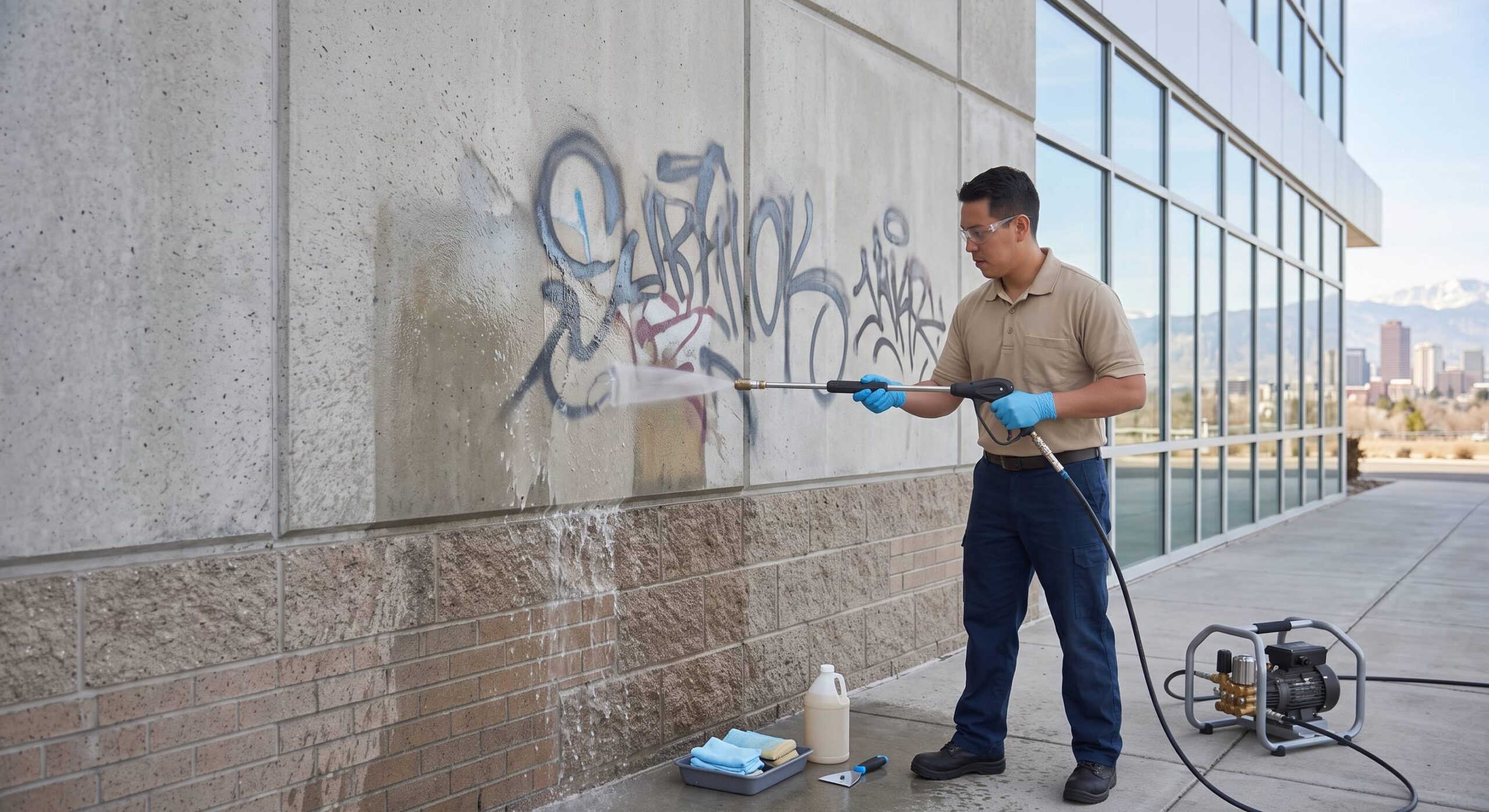
Exterior maintenance is equally important. Roof inspections, drainage checks, and exterior lighting maintenance protect the building envelope and prevent weather-related damage.
How Often Preventive Maintenance Should Occur
Maintenance frequency depends on system type, building use, and occupancy levels. However, most commercial facilities follow a layered schedule that includes monthly, quarterly, and annual tasks.
Monthly activities typically focus on visual inspections, filter changes, basic cleaning, and performance checks. Quarterly tasks often involve deeper system testing, calibration, and minor component servicing. Annual maintenance addresses comprehensive inspections, load testing, code compliance checks, and lifecycle assessments.
This structured rhythm ensures no system is neglected while avoiding unnecessary over-servicing.
Preventive Maintenance and Compliance Requirements
Many commercial buildings operate under regulatory requirements related to safety, health, and accessibility. Preventive maintenance plays a direct role in compliance by ensuring systems function as designed and documentation is maintained.
Fire suppression systems, emergency lighting, elevators, and HVAC ventilation often require documented inspections. Failure to maintain these systems can result in fines, failed inspections, or liability exposure in the event of an incident.
A formal maintenance schedule creates a defensible record showing due diligence and proactive risk management.
The Role of Janitorial and Facility Services in Maintenance
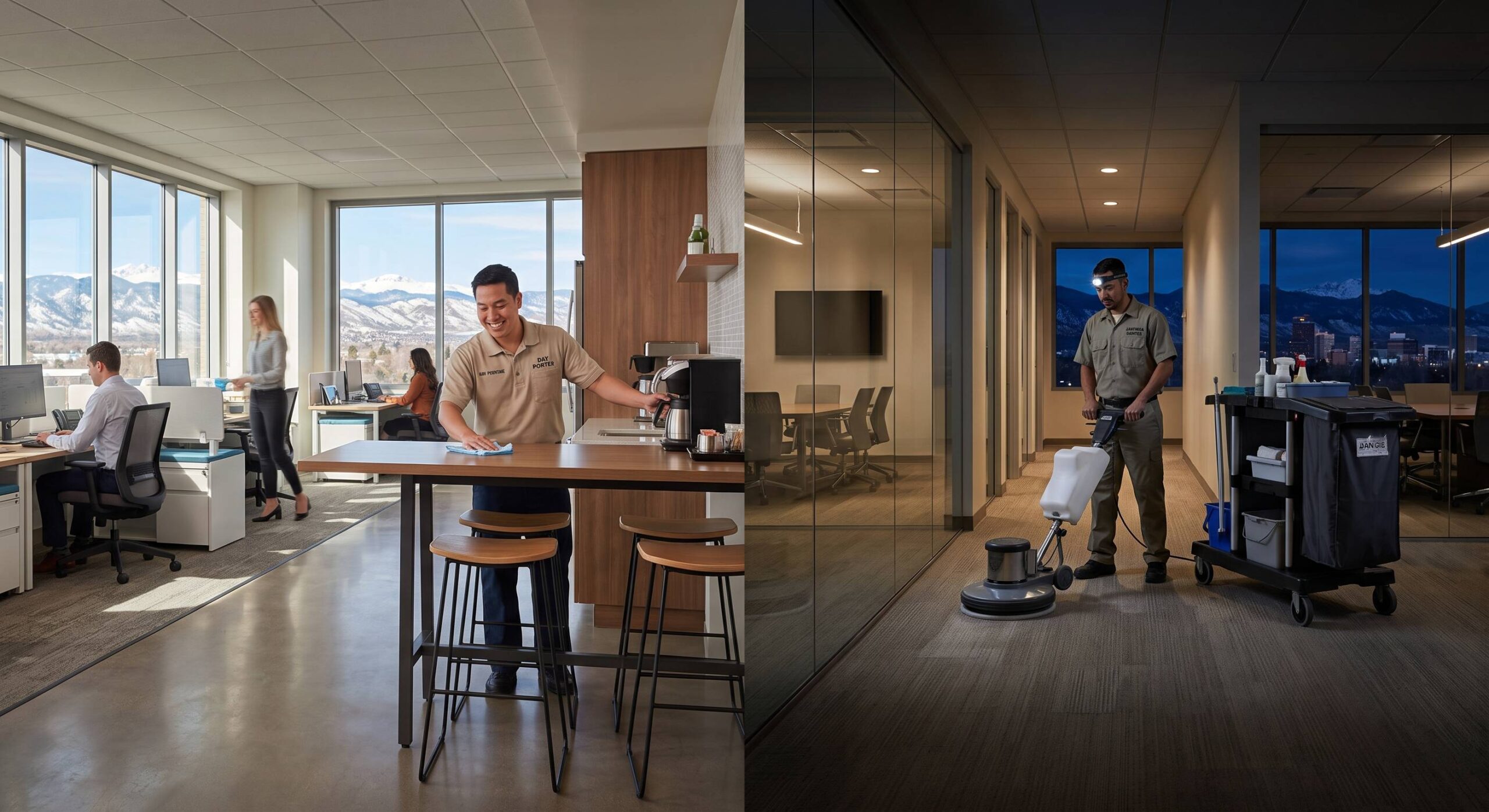
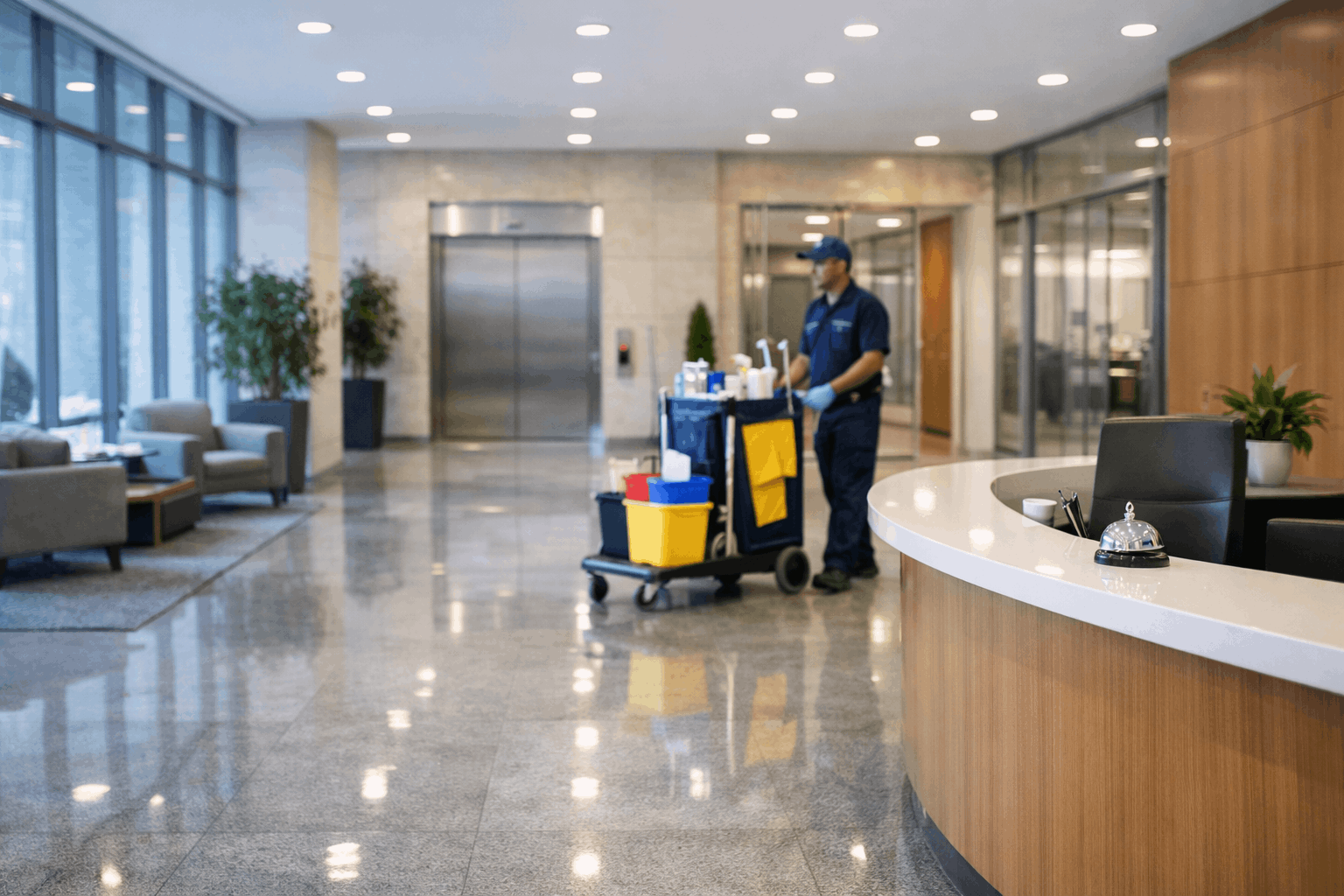
Preventive maintenance is not limited to mechanical systems. Janitorial services and facility upkeep contribute directly to asset preservation. Regular floor care, restroom maintenance, and surface cleaning reduce wear, prevent damage, and support indoor air quality.
Neglecting these areas can shorten the lifespan of flooring, fixtures, and finishes, leading to premature replacement. Integrating janitorial services into the preventive maintenance strategy creates a more holistic approach to building care.
In-House vs. Outsourced Preventive Maintenance
Some organizations manage preventive maintenance internally, while others rely on outsourced facility service providers. The right approach depends on building size, complexity, and internal expertise.
Outsourced providers often bring specialized knowledge, standardized processes, and advanced tracking systems. They also reduce staffing burden and ensure continuity when personnel change. In-house teams may offer greater familiarity with the building but can struggle with capacity and specialized tasks.
Many facilities use a hybrid approach, managing routine tasks internally while outsourcing specialized inspections and services.
Creating a Preventive Maintenance Schedule That Actually Works
A maintenance schedule is only effective if it is realistic and consistently followed. Overly aggressive schedules lead to skipped tasks, while vague plans invite neglect.
Effective schedules are:
- Aligned with equipment manufacturer recommendations
- Adjusted for building usage and climate
- Clearly documented and tracked
- Reviewed annually and updated as systems age
Using checklists, digital tracking tools, or facility management software improves accountability and visibility.
Long-Term Benefits of Preventive Maintenance Planning
Facilities that commit to preventive maintenance experience fewer emergencies, improved tenant satisfaction, and stronger asset performance. Buildings remain safer, cleaner, and more reliable, which directly supports property value and operational stability.
Preventive maintenance is not just a facilities function. It is a financial and risk-management strategy that pays dividends over time.
Final Thoughts
Preventive maintenance is one of the smartest investments a commercial property can make. A structured maintenance schedule protects assets, controls costs, and creates safer, more reliable buildings.
Rather than reacting to failures, preventive maintenance puts facility managers in control—turning maintenance into a strategic advantage instead of a constant challenge.