
Introduction
When you walk into a clean, well-maintained office building, parking lot, or commercial property, you rarely think about everything that goes into making that space functional and welcoming. Behind the scenes, a facility management company orchestrates a complex symphony of services—from daily janitorial work to emergency water mitigation to complete renovations.
But what exactly does a facility management company do? And more importantly, why should your business care?
Whether you’re a property manager overseeing multiple buildings, a business owner managing a commercial office, or a facility director responsible for day-to-day operations, understanding the full scope of facility management services is crucial. The right facility management partner doesn’t just keep your space clean—they protect your assets, ensure regulatory compliance, enhance employee productivity, and help you control operational costs.
This comprehensive guide breaks down everything a modern facility management company does, the services they provide, how they add value to your business, and how to choose the right partner for your needs.
What Is Facility Management? A Clear Definition
Before diving deeper, let’s define what facility management actually means.
Facility management (FM) is the discipline of coordinating the physical workplace with people and work as defined by the International Facility Management Association. It integrates principles of business administration, architecture, and behavioral and engineering sciences to ensure functionality, safety, and efficiency of built environments.
In practical terms: A facility management company is responsible for keeping commercial properties operational, safe, and attractive.
This encompasses everything from routine cleaning and maintenance to strategic planning around building systems, compliance requirements, and emergency response protocols.
Core Services Provided by Facility Management Companies
A comprehensive facility management company offers a broad spectrum of services. Let’s break down the major categories:
Janitorial and Sanitation Services
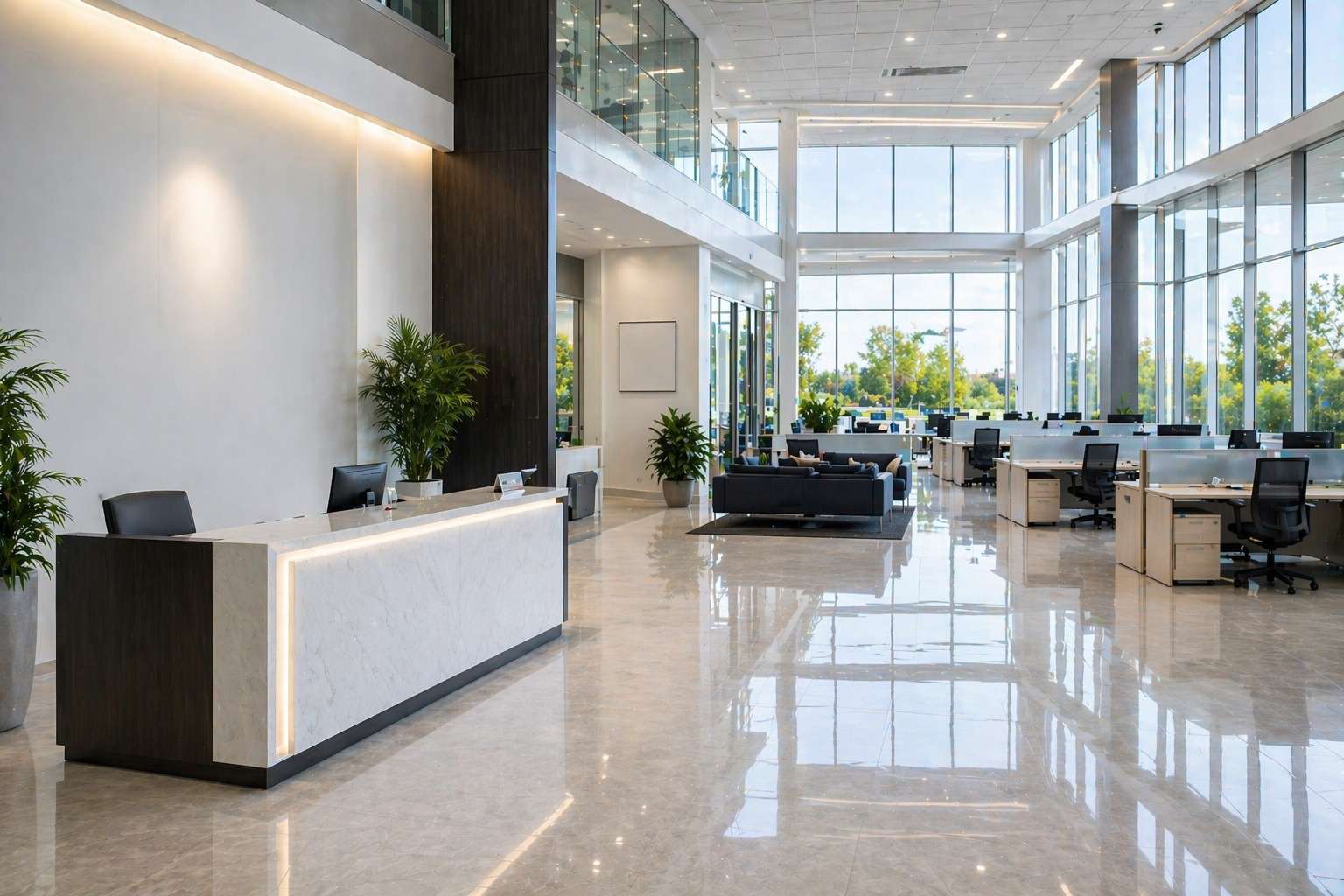
Daily janitorial services form the foundation of facility management. This includes:
- Regular floor cleaning and vacuuming
- Restroom sanitation and restocking
- Trash removal and recycling
- Dusting and surface disinfection
- Window and glass cleaning
- Carpet and upholstery maintenance
For many businesses, periodic janitorial service is the most cost-effective solution. Rather than maintaining a full-time in-house cleaning staff, companies schedule cleanings during off-hours or less-busy periods. This model reduces overhead while maintaining professional cleanliness standards.
Day Porter and Lobby Services
Day porters provide visible, immediate facility presence during business hours. They handle:
- Real-time spill and debris management
- Customer-facing restroom checks
- Lobby and entrance maintenance
- Quick-response maintenance issues
- Professional appearance management
Day porters are often the face of your facility—they create first impressions and ensure the property remains presentable throughout the business day.
Floor and Carpet Care
Proper floor maintenance extends asset life and improves safety. Services include:
- Carpet shampooing and steam cleaning
- Floor stripping and waxing
- Tile and grout cleaning
- Hardwood floor refinishing
- Stain removal and spot treatment
Quality carpet and floor reconditioning can restore worn areas to near-original condition, extending the life of expensive flooring investments by years.
Exterior Maintenance and Cleaning
The outside of your property is just as important as the interior. Services include:
- Power washing (sidewalks, parking lots, building exteriors)
- Window washing and glass cleaning
- Graffiti removal
- Landscape maintenance and grounds keeping
- Exterior pressure cleaning
A well-maintained exterior protects your property’s value and sends a message about your business standards.
Building Maintenance and Repairs
Facility managers coordinate essential building systems and repairs:
- HVAC maintenance and filter changes
- Plumbing repairs and inspections
- Electrical system maintenance
- Door and lock repairs
- Roof and gutter maintenance
- General handyman services
Preventive maintenance catches small issues before they become expensive emergencies.
Painting, Drywall, and Wall Repair
A professional appearance requires attention to detail. Services include:
- Interior and exterior painting
- Drywall patching and finishing
- Wall repair and restoration
- Touch-up and refresh projects
- Custom color matching
Fresh paint and well-maintained walls dramatically improve facility aesthetics and property perception.
Construction, Demolition, and Renovation
For larger projects, facility management companies provide:
- Renovation project management
- Demolition services
- Construction coordination
- Scope planning and budgeting
- Timeline management
These services help businesses upgrade or reconfigure spaces without disrupting operations.
Furniture Installation and Cubicle Maintenance
Office configurations change regularly. Facility teams handle:
- Furniture assembly and installation
- Desk and cubicle reconfiguration
- Workstation maintenance
- Ergonomic setup assistance
- Office layout optimization
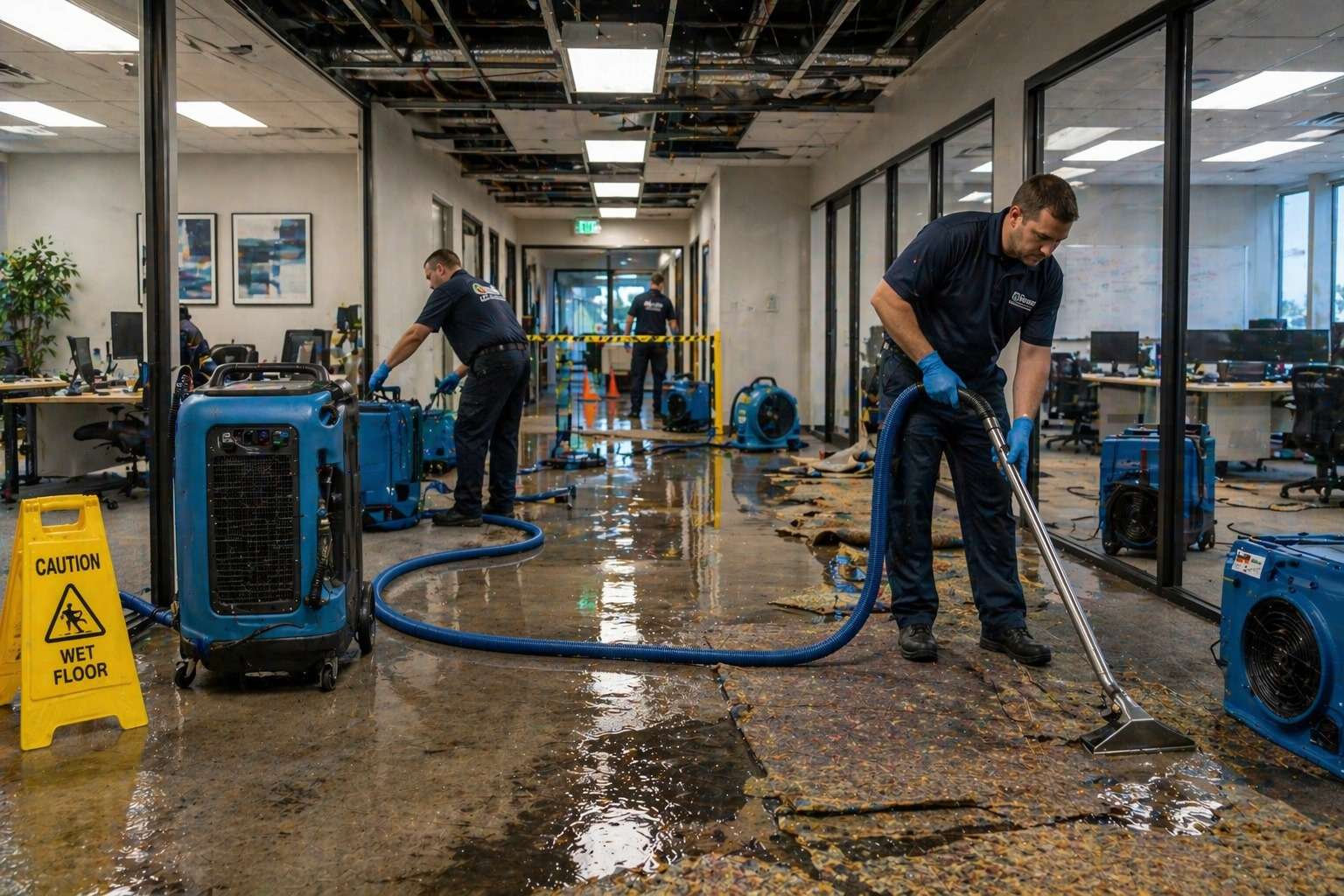
- Emergency Response Services (24/7)
Crises don’t wait for business hours. Professional facility management companies offer:
- Water extraction and mitigation (burst pipes, flooding, water damage)
- Storm damage response
- Fire and smoke damage cleanup
- Hazardous spill cleanup
- Emergency restoration
24/7 emergency response can be the difference between minor damage and catastrophic loss.
Moving and Relocation Services
Whether downsizing or expanding, facility teams manage:
- Furniture and equipment moving
- Space reconfiguration planning
- Confidential documentation relocation (with proper security protocols)
- Logistics coordination
- Disassembly and reassembly services
- Specialized Cleanup Services
Some situations require specialized expertise:
- Vagrant removal and cleanup (safe, humane, compliant approach)
- Biohazard cleanup
- Hoarder house cleanup
- Post-event cleanup
Key Responsibilities of a Facility Manager
When you hire a facility management company, they assume responsibility for multiple critical functions:
- Operational Excellence Ensuring all building systems function properly and efficiently. This includes coordinating preventive maintenance schedules, managing vendor relationships, and responding to maintenance requests.
- Safety and Compliance Maintaining adherence to building codes, OSHA regulations, ADA requirements, and local health ordinances. Non-compliance can result in fines, liability issues, and legal problems.
- Cost Control Optimizing operational expenses through efficient scheduling, preventive maintenance (which costs less than emergency repairs), energy management, and vendor negotiation.
- Asset Protection Protecting your facility investment through proper maintenance, cleaning, security, and damage prevention. Regular maintenance extends the lifespan of HVAC systems, flooring, roofs, and other expensive assets.
- Tenant/Employee Satisfaction Maintaining comfortable, clean, safe spaces that improve morale and productivity. Poor facility conditions drive tenant turnover and employee dissatisfaction.
- Documentation and Reporting Maintaining detailed records of maintenance activities, compliance inspections, incident reports, and service logs for accountability and regulatory purposes.
The Business Case: Why Facility Management Matters
Cost Savings
Outsourcing facility management typically costs 20-40% less than maintaining an in-house team. You eliminate:
- Salaries and benefits for full-time staff
- Training and supervision overhead
- Equipment and supply purchasing
- Insurance and workers’ compensation
- Equipment replacement and maintenance
- Risk Mitigation
Professional facility management companies:
- Maintain proper insurance coverage
- Follow safety protocols and regulations
- Document compliance activities
- Respond quickly to emergency situations
- Reduce liability exposure
- Operational Focus
Your internal team can focus on core business functions while facility experts handle property maintenance. This improves productivity and reduces distractions.
Scalability
As your business grows, facility needs scale automatically. You don’t need to hire additional staff—your facility partner adjusts service levels.
Professional Standards
Experienced facility managers bring:
- Industry best practices
- Vendor relationships and negotiating power
- Equipment and technology expertise
- Regulatory knowledge
- Quality assurance protocols
How Facility Management Services Differ by Property Type
Facility management needs vary significantly based on property type:
- Office Buildings: Focus on cleanliness, climate control, restroom facilities, and common area maintenance.
- Retail Properties: Emphasize customer-facing presentation, parking lot maintenance, and security.
- Industrial Facilities: Require specialized maintenance for heavy equipment, safety compliance, and specialized cleaning.
- Healthcare Facilities: Demand strict sanitation protocols, hazmat compliance, and infection control procedures.
- Multi-Tenant Properties: Need coordination across multiple tenants, shared area management, and tenant satisfaction.
Facility Management Best Practices for 2026
Preventive Maintenance First Schedule regular inspections and maintenance before problems develop. Preventive maintenance costs 40% less than reactive emergency repairs.
Sustainability Integration Modern facility management incorporates:
- Energy-efficient systems
- Water conservation measures
- Waste reduction and recycling
- Green cleaning products
- LEED compliance tracking
Technology and Automation Leading facility management companies use:
- Computerized maintenance management systems (CMMS)
- IoT sensors for equipment monitoring
- Mobile work order systems
- Predictive maintenance analytics
- Building automation systems
Data-Driven Decisions Track and analyze:
- Maintenance costs and trends
- Service response times
- Equipment failure patterns
- Energy consumption
- Vendor performance
Vendor Coordination Effective facility managers:
- Maintain preferred vendor networks
- Negotiate favorable rates
- Coordinate specialty services
- Track vendor performance
- Ensure quality standards
How AboutCFS Delivers Comprehensive Facility Management
AboutCFS understands that modern businesses need more than scattered, disconnected services. We provide integrated facility management solutions that address your complete operational needs.
Our Service Spectrum
From daily janitorial and periodic janitorial service to emergency response, from routine maintenance to complete renovations, ABoutCFS coordinates every aspect of facility management. Our teams are trained, certified, and equipped to handle:
- Regular sanitation and cleaning
- Specialized services like carpet reconditioning and power washing
- Emergency situations requiring immediate response
- Complex projects like building renovation or relocation
- Reliability and Responsiveness
We maintain 24/7 emergency response capabilities because facility crises don’t respect business hours. Whether it’s water mitigation from a burst pipe or urgent repairs needed overnight, ABoutCFS responds immediately to minimize damage and downtime.
Customized Solutions
We recognize that no two facilities are identical. We develop customized service packages that align with your specific building type, occupancy level, budget, and operational requirements.
Common Facility Management Mistakes to Avoid
- Deferring Maintenance Postponing repairs saves money short-term but costs significantly more long-term. A $500 preventive repair becomes a $5,000 replacement.
- Ignoring Compliance Requirements Failing to maintain proper certifications, inspections, and documentation creates liability and legal risk.
- Inadequate Emergency Planning Without proper emergency protocols and vendor relationships, crisis situations compound rapidly.
- Poor Documentation Lacking records of maintenance activities, incidents, and inspections creates accountability gaps and compliance issues.
- Underestimating Cleaning Impact Facility cleanliness directly affects employee productivity, tenant satisfaction, and customer perception. Under-investing in janitorial services damages morale and retention.
- Single-Source Dependency Relying on one service provider for all facility needs creates vulnerability. Diversified vendor relationships provide flexibility and competitive pricing.
Choosing the Right Facility Management Company
When evaluating facility management partners, consider:
- Experience and Expertise Do they have experience with your specific property type and industry? How long have they been in business?
- Service Comprehensiveness Can they handle your complete range of needs, or will you need multiple vendors? Integrated services are more efficient.
- Technology and Systems Do they use modern management systems, scheduling software, and reporting tools? Can you access work order status in real-time?
- Insurance and Compliance Are they properly insured? Do they maintain certifications and stay current with regulatory requirements?
- References and Reputation Can they provide client references? What do existing customers say about their responsiveness and quality?
- Customization Capability Will they tailor services to your specific needs and budget, or use a one-size-fits-all approach?
- Emergency Response Do they offer 24/7 emergency services? How quickly do they respond to urgent requests?
- Pricing Transparency Do they provide clear, itemized pricing, or hidden fees? Are pricing models flexible and scalable?
Measuring Facility Management Success
Effective facility management should demonstrate:
- Cleanliness Metrics: Regular inspections showing consistent cleanliness standards
- Equipment Uptime: Minimal downtime from equipment failures or maintenance
- Response Times: Quick resolution of maintenance requests and emergency situations
- Cost Tracking: Documentation showing expense control and ROI
- Compliance Records: Maintained certifications, inspections, and regulatory compliance
- Occupant Satisfaction: Positive feedback from employees, tenants, or customers
- Asset Longevity: Extended lifespan of building systems and infrastructure
- Safety Record: Minimal incidents, accidents, or compliance violations
Conclusion
A facility management company does far more than just keep spaces clean. They orchestrate comprehensive operations that protect your assets, ensure safety and compliance, control costs, and create environments where businesses thrive.
From routine janitorial and periodic janitorial service to emergency response, from daily maintenance to complete renovations, professional facility management is the backbone of successful commercial properties.
If you’re currently managing multiple vendors, experiencing inconsistent service quality, or struggling to maintain compliance and cost control, it’s time to consider integrated facility management solutions.
ABoutCFS delivers complete facility management services tailored to your specific needs. Whether you need regular cleaning and maintenance, emergency response capabilities, specialized services like carpet reconditioning and exterior cleaning, or comprehensive renovation coordination, our experienced teams are ready to handle every aspect of your facility operations.
Don’t leave your facility’s success to chance. Contact ABoutCFS today for a comprehensive facility audit and customized service proposal. Let’s discuss how professional facility management can improve your property’s condition, control your operational costs, and free your team to focus on what matters most.


