


Maintaining clean and inviting exterior spaces is essential for preserving your property’s visual appeal, safety, and value. Whether it’s a commercial complex, a residential building, or an office campus, cleanliness directly affects how people perceive and interact with the environment. Consistent upkeep year-round is not just about appearances; it plays a crucial role in extending the life of surfaces, preventing damage, and minimizing repair costs.
Keeping exteriors clean across all seasons requires a planned approach. You need to be proactive during different weather conditions and prepare for environmental challenges such as pollen in spring, leaves in fall, or salt buildup during winter. A clean exterior sends a positive message, reflecting well on your business or home and promoting a healthy, welcoming environment for visitors and occupants.
Spring Cleaning Essentials for Outdoor Areas
Spring brings renewal, and it’s the perfect time to tackle the dirt and debris left behind by winter. One of the first steps is pressure washing surfaces such as sidewalks, driveways, walls, and decks. This removes accumulated grime, mildew, and salt, giving everything a fresh look. Pay special attention to parking lots and common areas that receive heavy foot traffic, as they tend to gather the most dirt.
Additionally, landscape cleanup is vital. Trim overgrown shrubs, remove dead plants, and refresh garden beds with new mulch. Clean outdoor furniture, sweep patios, and clear out gutters clogged with winter debris. Checking outdoor lighting and fixtures for any damage caused by ice or snow ensures that your property remains safe and functional as the days get longer.
Summer Upkeep to Handle High Usage and Heat
Summer brings more outdoor activity, which also means more wear and tear on exterior spaces. Regular sweeping and trash removal are necessary, especially in high-traffic areas like entranceways, patios, and walkways. Cleaning should be scheduled more frequently during events or busy weekends to maintain a spotless appearance.
Heat and UV rays can also affect paint, siding, and pavement. Consider sealing or repainting exposed surfaces to prevent fading or cracking. Water features such as fountains or decorative ponds need to be maintained as well to avoid algae buildup. Keeping your landscaping hydrated and healthy also enhances curb appeal during the hot summer months.
Fall Preparation to Tackle Leaves and Debris
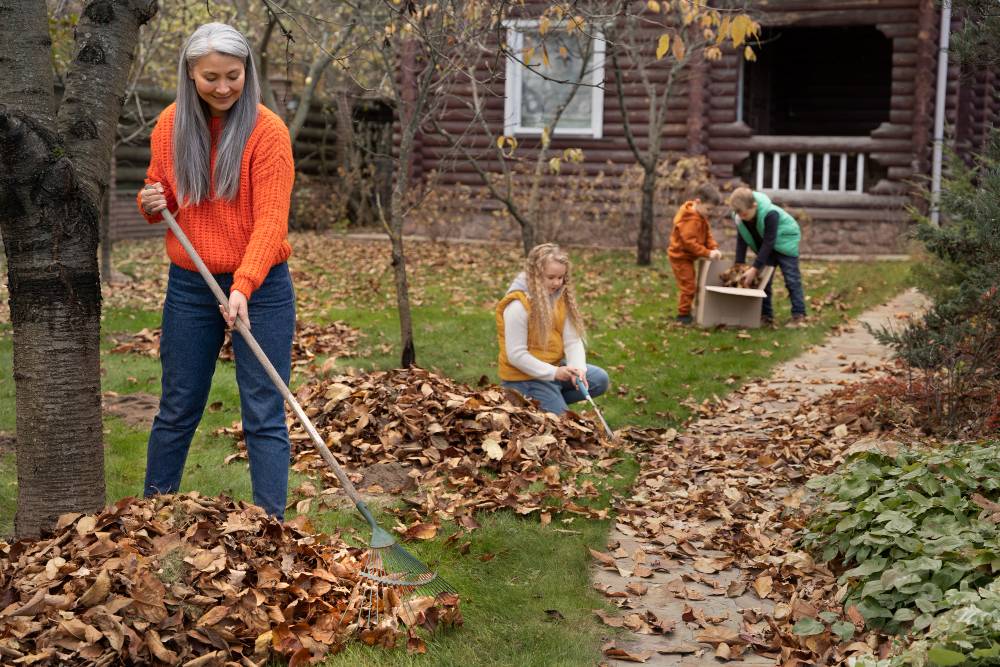
Fall presents a major challenge with falling leaves, which can clog drains, cover walkways, and create slip hazards. A reliable leaf removal plan is essential. Schedule regular sweeping or use blowers to clear paths and lawns. It’s also important to clean gutters and downspouts frequently to prevent water overflow and roof damage.
Preparing for winter also starts in the fall. Check all exterior lighting before days get shorter and ensure all power sources are weather-protected. Pressure wash surfaces one more time before freezing temperatures set in. This helps remove stubborn dirt and creates a clean slate going into the winter season.
Winter Cleaning Challenges and Solutions
Winter poses unique difficulties, especially in colder climates. Snow, ice, and road salt can damage concrete, corrode metal fixtures, and create safety hazards. It’s essential to keep sidewalks, parking lots, and entryways clear of snow and ice using environmentally safe deicers. Proper shoveling and salting not only ensure safety but also protect the integrity of paved areas.
Keep an eye on building exteriors for salt residue and grime. While frequent pressure washing might not be possible, quick rinse-downs on milder days can help manage buildup. Also, make sure that snow does not accumulate against buildings, as this can lead to moisture damage or leaks. Pay attention to entrances, where slush and grit often get tracked indoors, increasing cleaning needs inside as well.
Weekly Cleaning Tasks to Stay Ahead
Creating a routine schedule is the key to consistent cleanliness. Weekly tasks should include sweeping, checking trash bins, wiping down handrails, and washing windows when necessary. Cleaning light fixtures and signage helps maintain visibility and keeps your building looking professional.
Conduct quick inspections to catch issues early. For instance, notice if a patch of mold is forming on a shaded wall or if weeds are growing between bricks. Tackling small problems early prevents bigger issues later. Incorporate these habits into your weekly maintenance checklist for better long-term results.
Monthly Maintenance to Deep Clean and Inspect
Monthly deep cleans go beyond daily and weekly tasks. Set aside time for more thorough pressure washing, treating mold and algae growth, and inspecting for any signs of exterior damage. This is also a good time to clean and sanitize common outdoor furniture, outdoor kitchens, and recreational spaces.
Inspect gutters, roofs, and drainage systems to make sure everything is in working order. Remove built-up debris, especially in areas near trees. Monthly attention keeps systems from backing up and allows you to spot cracks, leaks, or broken components before they escalate into expensive repairs.
Annual Cleaning and Professional Services
Even with regular cleaning, an annual deep clean is necessary to tackle grime and buildup that accumulates over time. Hiring professionals for tasks like pressure washing large surfaces, painting touch-ups, or roof inspections ensures thorough results. These services can catch structural concerns and renew the look of your property dramatically.
Schedule your annual clean before or after extreme weather seasons. For example, a deep clean after winter removes salt stains, while a fall cleanup preps your property for snow. By investing in yearly services, you extend the life of your building materials and boost curb appeal.
Exterior Surfaces That Need Special Attention
Different surfaces require different types of care. For instance, concrete and stone benefit from power washing, while wood decking might need gentle cleaning and resealing. Painted surfaces should be checked for peeling and retouched as needed. Metal railings, gates, and signs should be wiped down regularly to prevent rust and tarnish.
Glass doors and windows also need routine attention. Streak-free glass improves the appearance and lets in more natural light. Always use appropriate tools and cleaning solutions for each surface to avoid damage. A tailored approach ensures a longer-lasting, cleaner finish across your exterior space.
Landscaping and Green Area Maintenance
Cleanliness also extends to how landscaping is maintained. Overgrown bushes, fallen branches, and unkempt flower beds can make even a well-kept property look neglected. Schedule seasonal pruning and mulching to keep green areas fresh and tidy. Remove weeds and dead plants frequently.
Consider investing in low-maintenance landscaping designs that reduce the need for constant upkeep. Ground covers, drought-resistant plants, and well-defined edging can help your outdoor space stay attractive with less effort. Healthy landscaping contributes to a polished and inviting environment year-round.
Tools and Equipment for Efficient Cleaning
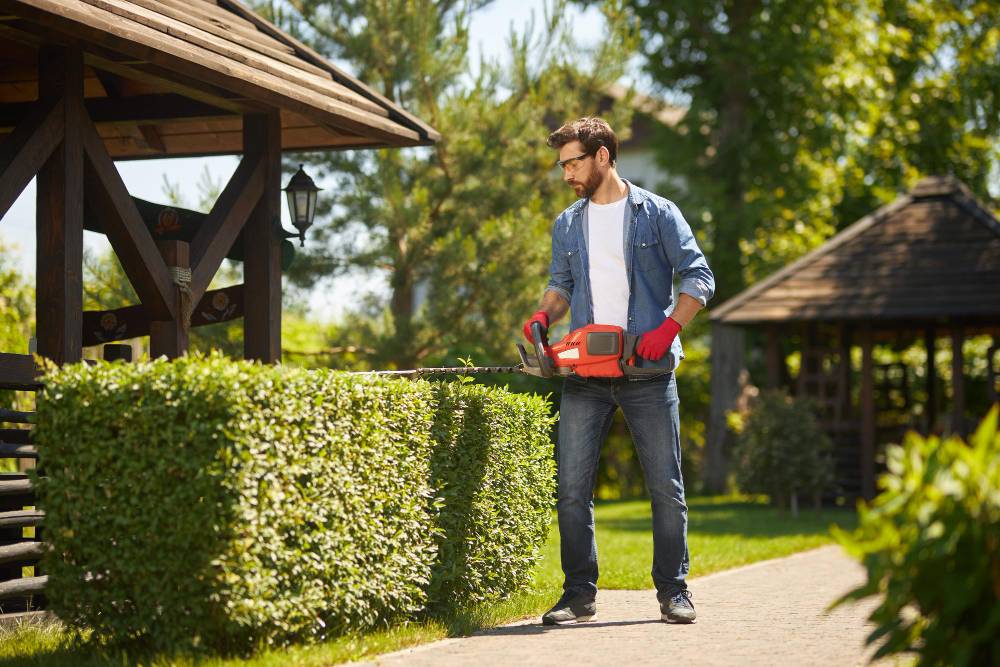
The right tools make all the difference. Essentials include a quality broom, outdoor vacuum, leaf blower, power washer, and sturdy trash bins. During the winter, snow shovels, salt spreaders, and insulated gloves become necessities. Make sure everything is stored in an accessible location for quick use.
If you have a maintenance crew, keep their equipment in good condition. Routine servicing of machines like mowers, blowers, and washers ensures safety and performance. Investing in high-quality tools pays off in time saved and results achieved.
Green Cleaning Methods for Sustainability
If you want to minimize environmental impact, opt for eco-friendly cleaning products and practices. Biodegradable detergents, water-conserving techniques, and solar-powered outdoor lighting can all make a difference. Composting landscape waste instead of throwing it away is another green step.
Encouraging your maintenance team to use reusable cloths and low-emission tools helps reduce your carbon footprint. Sustainability does not have to mean cutting corners. It simply means being more mindful about the materials and energy used in your exterior upkeep.
Conclusion
Keeping exterior spaces clean year-round is about more than curb appeal. It’s a smart way to protect your investment, support health and safety, and create an environment that feels welcoming and well cared for. With a seasonal approach, consistent maintenance, the right tools, and sometimes professional help, you can manage your outdoor areas efficiently no matter the weather.
A clean exterior boosts pride among employees, comfort for residents, and trust among customers or guests. Staying ahead with regular maintenance ensures that your space always puts its best foot forward.


