
Effective facility maintenance management is the backbone of successful business operations. Whether you manage a commercial property, industrial facility, or multi-site operation, implementing strategic maintenance practices can significantly impact your bottom line and operational efficiency. This comprehensive guide explores seven essential tips that will transform your approach to facility maintenance and deliver measurable results.
Understanding Facility Maintenance
Facility Maintenance Definition
Facility maintenance encompasses all activities required to keep buildings, equipment, and systems functioning optimally. This includes everything from routine cleaning and equipment servicing to major repairs and system upgrades. The facility maintenance meaning extends beyond simple upkeep—it’s about creating safe, efficient, and productive environments that support business objectives.
Key Terms in Facility Maintenance
To define facility maintenance comprehensively, it’s important to understand that it includes both facilities operations and maintenance activities. Building facility maintenance covers structural elements, HVAC systems, electrical components, and safety systems. Industrial facility maintenance extends to specialized equipment, manufacturing systems, and production-critical infrastructure.
Types of Facility Maintenance
Understanding different maintenance approaches is crucial for developing an effective facility maintenance program:
- Preventive Maintenance
Preventive maintenance involves scheduled inspections and servicing to prevent equipment failures before they occur. This proactive approach includes regular filter changes, lubrication, calibration, and component replacement based on manufacturer recommendations or usage patterns.
- Corrective Maintenance
Also known as reactive maintenance, this approach addresses issues after they occur. While sometimes necessary, relying solely on corrective maintenance can lead to higher costs, unexpected downtime, and safety risks.
- Predictive Maintenance Services
Predictive maintenance uses data analytics, sensors, and monitoring technology to predict when equipment will fail. This advanced approach allows for precise timing of maintenance activities, minimizing disruptions while maximizing equipment lifespan.
Benefits of Facility Maintenance Programs
Implementing a structured facility maintenance program delivers numerous advantages:
- Optimized Performance
Regular maintenance ensures all systems operate at peak efficiency, reducing energy consumption and improving overall facility performance. Well-maintained equipment operates more reliably and delivers consistent results. - Extended Equipment Lifespan
Proactive maintenance can extend equipment life by 20-40%, providing significant return on investment. Regular servicing prevents minor issues from developing into major problems that could require costly replacements. - Cost Savings
While preventive maintenance requires upfront investment, it typically reduces total maintenance costs by 12-18% compared to reactive approaches. Early problem detection prevents expensive emergency repairs and reduces operational disruptions. - Improved Safety and Compliance
Regular maintenance helps identify and address safety hazards before they cause incidents. This is particularly crucial for compliance with OSHA regulations and industry-specific safety standards. - Data-Driven Asset Management
Modern facility maintenance programs generate valuable data about equipment performance, maintenance costs, and operational efficiency. This information supports better decision-making about repairs, replacements, and capital investments. - Importance of Facility Maintenance
The importance of facility maintenance extends beyond keeping things running smoothly. It directly impacts employee productivity, customer satisfaction, regulatory compliance, and long-term asset value. Facilities that lack proper maintenance often experience higher operational costs, increased safety incidents, and reduced property values.
Tip 1: Develop a Comprehensive Facility Maintenance Program
Key Components of a Successful Program
A robust facility maintenance program requires careful planning and systematic implementation. Start by conducting a comprehensive facility audit to identify all assets, systems, and maintenance requirements. Document equipment specifications, maintenance histories, and manufacturer recommendations.
Create detailed maintenance procedures for each type of equipment and system in your facility. These procedures should specify required tools, safety protocols, quality standards, and documentation requirements. Establish clear responsibilities and accountability measures for all maintenance activities.
Establishing a Preventive Maintenance Schedule
Develop maintenance schedules based on manufacturer recommendations, regulatory requirements, and operational demands. Consider factors such as equipment criticality, usage patterns, environmental conditions, and historical performance data.
Use a risk-based approach to prioritize maintenance activities. Critical equipment that could cause safety hazards or significant operational disruptions should receive priority scheduling and resources. Create backup plans for essential systems to minimize downtime during maintenance activities.
Tip 2: Leverage Technology for Efficient Operations
Benefits of Facility Maintenance Software
Modern facility maintenance software provides numerous advantages:
- Centralized operations – Streamline maintenance requests, scheduling, and inventory management
- Improved communication – Enhance coordination between maintenance teams and stakeholders
- Better resource allocation – Optimize staff assignments and material usage
- Reduced administrative overhead – Automate routine paperwork and reporting tasks
- Faster response times – Enable quicker resolution of maintenance requests
- Compliance support – Maintain audit trails and documentation for regulatory requirements
- Performance insights – Generate data for analysis and continuous improvement
Implementing a Computerized Maintenance Management System (CMMS)
A CMMS is essential for managing complex facility maintenance operations. When selecting a system, consider factors such as ease of use, integration capabilities, mobile accessibility, and scalability. The system should support your current needs while accommodating future growth and changing requirements.
Successful CMMS implementation requires proper planning, staff training, and data migration. Start with a pilot program to test functionality and refine processes before full deployment. Ensure all stakeholders understand how to use the system effectively and consistently.
Tip 3: Prioritize Regular Equipment Maintenance
Importance of Equipment Maintenance
Equipment maintenance is a critical component of overall facility management. Well-maintained equipment operates more efficiently, consumes less energy, and requires fewer repairs over its lifetime. Regular maintenance also helps maintain warranty coverage and ensures optimal performance.
Different types of equipment require specific maintenance approaches. HVAC systems need regular filter changes, coil cleaning, and refrigerant level checks. Electrical systems require inspection of connections, testing of safety devices, and thermal imaging to detect potential problems.
Best Practices for Effective Maintenance
Develop equipment-specific maintenance checklists that address all critical components and systems. Train maintenance staff on proper procedures and safety protocols. Use quality parts and materials that meet or exceed manufacturer specifications.
Document all maintenance activities, including dates, procedures performed, parts used, and observations about equipment condition. This documentation helps identify trends, predict future maintenance needs, and support warranty claims when necessary.
Tip 4: Establish Clear Job Roles in Facility Maintenance
- Facility Manager
The facility manager oversees all aspects of facility operations and maintenance. This role involves strategic planning, budget management, vendor coordination, and ensuring compliance with regulations and company policies. Facility managers must balance operational needs with cost considerations while maintaining high standards for safety and performance. - Property Manager
Property managers focus on the overall condition and value of real estate assets. They coordinate with facility maintenance teams to ensure properties remain attractive, functional, and compliant with lease agreements and regulatory requirements. This role often involves tenant relations and coordination of major renovation projects. - Maintenance Technician
Maintenance technicians perform hands-on maintenance, repair, and installation work. They diagnose problems, implement solutions, and conduct routine maintenance activities. Successful technicians possess strong troubleshooting skills, technical knowledge, and the ability to work safely in various environments.
Tip 5: Enhance Cleaning and Janitorial Services
Role of Janitorial Services in Facility Maintenance
Janitorial services are integral to facility maintenance, contributing to health, safety, and professional appearance. Regular cleaning prevents the buildup of dirt, dust, and contaminants that can damage equipment and create health hazards. Clean facilities also project a positive image to employees, customers, and visitors.
Professional janitorial services use specialized equipment, cleaning products, and techniques to maintain high standards of cleanliness. They understand the unique requirements of different facility types and can adapt their services to meet specific needs and budgets.
Best Practices for Maintaining Cleanliness
Develop comprehensive cleaning schedules that address all areas and surfaces in your facility. Pay special attention to high-traffic areas, restrooms, break rooms, and areas where food is prepared or consumed. Use appropriate cleaning products for different surfaces and applications.
Implement quality control measures to ensure cleaning standards are consistently met. Regular inspections and feedback help maintain service quality and identify areas for improvement. Consider green cleaning practices that reduce environmental impact while maintaining effectiveness.
Tip 6: Implement Effective Vendor Management
Building Strong Vendor Relationships
Effective vendor management is crucial for facilities that rely on external service providers for specialized maintenance tasks. Develop clear service agreements that specify performance standards, response times, and quality expectations. Regular communication helps ensure vendors understand your requirements and can adapt to changing needs.
Establish vendor qualification criteria that consider technical capabilities, safety records, insurance coverage, and financial stability. Regularly evaluate vendor performance and provide feedback to drive continuous improvement. Maintain relationships with backup vendors to ensure service continuity.
Managing Commercial Property Maintenance Contractors
For commercial property maintenance, work with contractors who understand the unique challenges of different property types. Office buildings have different requirements than retail spaces, warehouses, or manufacturing facilities. Choose contractors with relevant experience and proven track records in your industry.
Coordinate contractor activities to minimize disruptions to building occupants and operations. Provide clear access procedures, safety requirements, and communication protocols. Regular progress reviews help ensure projects stay on schedule and meet quality standards.
 Tip 7: Monitor and Evaluate Your Maintenance Operations
Key Performance Indicators for Facility Maintenance
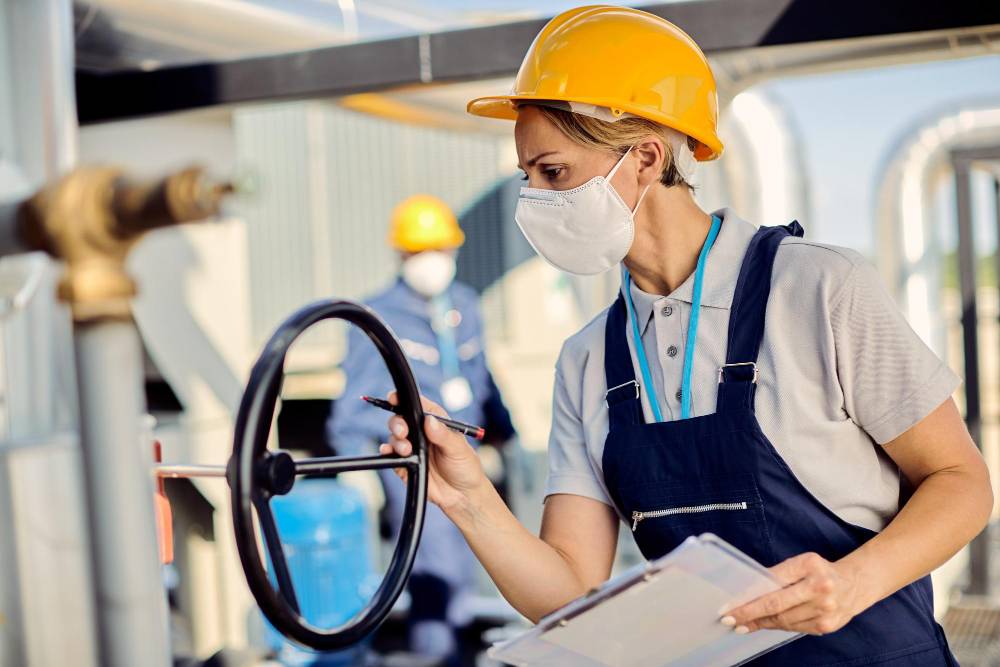
Establishing meaningful metrics is essential for measuring maintenance effectiveness and identifying improvement opportunities. Key performance indicators might include equipment uptime, maintenance costs per square foot, energy consumption, response times to work orders, and tenant satisfaction scores.
Track both leading indicators (such as preventive maintenance compliance rates) and lagging indicators (such as equipment failure rates) to get a complete picture of maintenance performance. Use benchmarking data from similar facilities to assess your performance relative to industry standards.
Conducting Regular Audits and Assessments
Regular facility audits help identify maintenance needs, safety hazards, and opportunities for improvement. These assessments should evaluate the condition of all major systems, compliance with regulations, and effectiveness of current maintenance practices.
Use audit findings to update maintenance procedures, adjust schedules, and allocate resources more effectively. Document improvements and track progress over time to demonstrate the value of your facility maintenance program.
Best Practices for Facility Maintenance Services
Developing In-House Capabilities vs. Outsourcing
Decide which maintenance activities to handle internally versus outsourcing based on factors such as frequency, complexity, cost, and available expertise. Many facilities use a hybrid approach, maintaining core capabilities in-house while outsourcing specialized or infrequent tasks.
Consider the total cost of ownership when evaluating outsourcing decisions. While external services may have higher hourly rates, they often provide specialized expertise, equipment, and materials that would be expensive to maintain internally.
Building a Culture of Maintenance Excellence
Create a culture where all employees understand the importance of facility maintenance and take ownership of their work environment. Encourage reporting of maintenance issues and near-misses. Recognize and reward proactive maintenance behaviors and continuous improvement efforts.
Provide ongoing training and professional development opportunities for maintenance staff. Technology and best practices evolve continuously, and keeping your team current ensures optimal performance and job satisfaction.
Final Thoughts
Effective facility maintenance management requires a strategic approach that combines comprehensive planning, appropriate technology, skilled personnel, and continuous improvement. The seven essential tips covered in this guide provide a roadmap for developing and implementing a maintenance program that delivers measurable results.
Success in facility maintenance comes from balancing proactive and reactive approaches, leveraging technology to improve efficiency, maintaining strong vendor relationships, and continuously monitoring and improving performance. Remember that facility maintenance is an investment in your organization’s future success.


