
Facilities that operate around the clock, such as hospitals, manufacturing plants, call centers, data centers, logistics hubs, and some corporate offices, require more than just occasional cleaning. These environments endure constant foot traffic, equipment use, and activity, all of which lead to rapid wear and an ongoing buildup of dust, bacteria, and clutter. For such operations, nightly janitorial service is not merely a convenience but a strategic necessity.
While daytime cleaning may provide surface-level maintenance, the true advantages of nightly janitorial services extend far beyond aesthetics.
From enhancing sanitation and operational efficiency to improving employee morale and prolonging asset life, nightly cleaning delivers powerful, long-term benefits that are often unnoticed but undeniably critical.
The Demands of 24/7 Facilities
Facilities that never shut down face unique challenges. Continuous occupancy means there is little downtime to perform deep cleaning without disrupting operations. Spaces such as restrooms, kitchens, lobbies, and production floors are in constant use, accumulating dirt, waste, and contaminants at a faster rate than standard daytime environments.
Moreover, high-contact surfaces are repeatedly touched, increasing the risk of germ transmission. Trash accumulates more frequently, floors wear down quicker, and HVAC systems work harder to maintain air quality. In such scenarios, reactive cleaning is insufficient. These environments require a structured and dependable nightly cleaning schedule that addresses the deeper layers of cleanliness and hygiene.
1. Deep Cleaning Without Operational Disruption
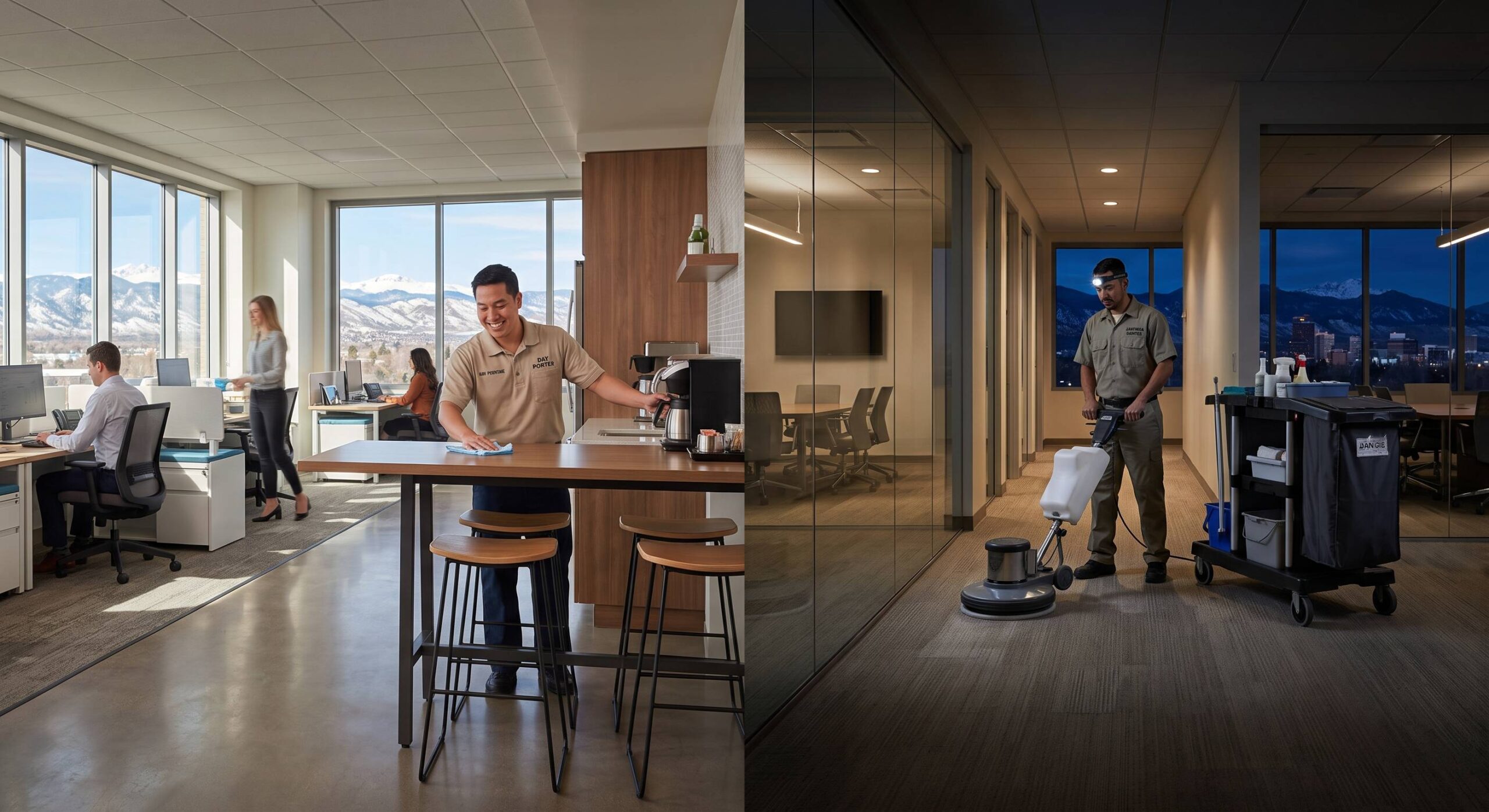
One of the greatest hidden advantages of nightly janitorial service is the ability to clean thoroughly without interfering with daytime activities. During the night, most employees and clients are gone or inactive, allowing cleaning professionals to access all areas freely and perform in-depth cleaning tasks.
Night crews can:
- Strip and refinish floors
- Deep-clean carpets and upholstery
- Disinfect workstations and shared equipment
- Clean restrooms thoroughly
- Empty and sanitize trash receptacles
- Clean and restock breakrooms and kitchens
Because these tasks are done after hours, the facility is ready to function at full capacity by morning. There’s no disruption to productivity, no inconvenience to staff, and no safety risk posed by wet floors or cleaning equipment in use during peak hours.
2. Enhanced Health and Sanitation Standards
Nightly janitorial services play a crucial role in maintaining a hygienic environment, particularly in industries like healthcare, food production, and customer service, where cleanliness directly affects safety and reputation.
When cleaning occurs consistently and thoroughly, it reduces the spread of germs, viruses, and allergens. Nightly disinfection of high-touch surfaces such as doorknobs, light switches, elevator buttons, and shared equipment helps prevent the transmission of illnesses among staff and visitors. During flu seasons or pandemics, this level of vigilance becomes even more critical.
Additionally, regularly cleaned HVAC vents and filters contribute to better indoor air quality, which benefits employees working long shifts and helps reduce absenteeism due to illness or allergic reactions.
3. Increased Employee Morale and Productivity
Cleanliness has a psychological impact on workers. Employees are more likely to feel respected, motivated, and focused when they arrive at a clean, fresh-smelling workplace. Cluttered or dirty spaces, on the other hand, lead to increased stress, distraction, and discomfort.
Nightly janitorial services ensure that employees consistently walk into an environment that is orderly, sanitized, and ready for the day. This boosts morale and sets a tone of professionalism and care. In high-pressure 24/7 environments, even small changes in atmosphere, such as spotless restrooms or a tidy breakroom, can positively influence employee attitudes and performance.
Clean environments also contribute to better mental clarity and help reduce sensory overload, especially in fast-paced settings like emergency departments or customer support centers.
4. Improved Safety and Compliance
Slip-and-fall accidents, exposure to bacteria, and fire hazards from waste accumulation are all preventable risks that can be addressed with routine nightly cleaning. Keeping floors free of debris and moisture, emptying trash before it overflows, and ensuring that exit paths remain clear all contribute to a safer work environment.
For facilities subject to industry regulations such as OSHA, HIPAA, or ISO standards, nightly janitorial services help maintain compliance. Documented cleaning logs, regularly disinfected surfaces, and adherence to proper waste disposal guidelines reduce the risk of violations, penalties, and reputational damage.
Night crews can also flag maintenance issues during their rounds, such as leaking fixtures or broken tiles, allowing management to act quickly before a minor issue escalates into a safety concern or equipment failure.
5. Better Asset Protection and Facility Longevity
Regular cleaning not only preserves the appearance of a facility but also extends the life of its physical assets. Dust accumulation can damage sensitive electronics, unclean carpets wear out faster, and neglected flooring deteriorates rapidly under heavy foot traffic.
By employing professional janitorial staff each night, building owners can protect their investments in flooring, furniture, electronics, and fixtures. Preventive maintenance through consistent cleaning helps reduce the frequency and cost of repairs or replacements.
This long-term protection translates into financial savings and improved ROI for the business or facility operator. It also reinforces a positive brand image, especially when clients, partners, or regulators visit the premises unexpectedly.

6. Customized Cleaning That Aligns with Business Needs
One of the underrated advantages of nightly janitorial service is its flexibility. Cleaning teams can work around your specific industry needs, focusing on areas that matter most to your operations.
For example:
- A call center might prioritize cleaning headsets, keyboards, and restrooms.
- A manufacturing plant may need floors and equipment wiped down to reduce dust exposure.
- A healthcare facility might require strict disinfection protocols for examination areas and waiting rooms.
Nightly service allows for consistent execution of these custom cleaning plans, ensuring that no aspect of hygiene is overlooked.
7. Strengthened First Impressions and Brand Reputation
Clients, vendors, and even potential employees form opinions based on the cleanliness and order of a facility. In 24/7 operations, foot traffic may continue at all hours, and any lapse in cleanliness becomes immediately noticeable.
By committing to nightly janitorial services, businesses maintain a professional image no matter the time of day. Clean lobbies, sparkling restrooms, and well-maintained meeting rooms create positive first impressions and reinforce trust in your brand’s professionalism and values.
For customer-facing facilities that operate beyond typical hours, like hotels, gyms, or retail centers, this consistent cleanliness is not a luxury; it is a brand differentiator.
Conclusion
In 24/7 facilities where uptime is everything, cleanliness cannot be an afterthought. Nightly janitorial service offers far more than just visible tidiness; it delivers hidden but powerful benefits that impact health, safety, morale, productivity, compliance, and long-term asset value. By investing in a professional, dependable nightly cleaning strategy, facility managers ensure that their spaces remain functional, welcoming, and optimized for performance at all hours.
In environments where cleanliness never sleeps, having a cleaning crew that does its best work while others rest is a competitive advantage worth embracing.