Commercial facilities serve as the backbone of many industries, hosting critical operations, tenants, and customers daily. Ensuring that these facilities operate at maximum efficiency requires more than basic upkeep; it demands smart maintenance strategies rooted in data, automation, and foresight. Facility managers who embrace intelligent systems and advanced technologies can reduce costs, avoid disruptions, and create sustainable buildings that add long-term value.
The shift from reactive maintenance to proactive and predictive approaches has transformed the way facilities are managed. No longer do managers need to wait for systems to fail before making repairs. Instead, tools such as IoT, AI, and digital twins allow managers to anticipate potential issues, intervene early, and keep everything running seamlessly. This proactive model not only saves money but also enhances safety, reliability, and tenant satisfaction.
Understanding the Importance of Smart Maintenance
Maintenance is often one of the largest operational expenses for commercial facilities, accounting for 15–20 percent of annual budgets in some industries. Despite this, many organizations still rely on reactive approaches, addressing issues only after they cause downtime or damage. Research from McKinsey has shown that predictive and preventive maintenance strategies can cut maintenance costs by 15–40 percent while extending equipment life cycles. For facilities that must operate continuously, such as hospitals, factories, or data centers, avoiding unplanned downtime is critical.
Smart maintenance strategies elevate traditional maintenance practices by integrating digital tools and performance analytics. With automated monitoring and reporting, managers can track equipment health, optimize energy use, and plan for repairs before failures occur. This reduces inefficiencies and helps facilities meet sustainability and regulatory requirements, all while improving the overall experience for tenants and stakeholders.
Predictive Maintenance with IoT and AI
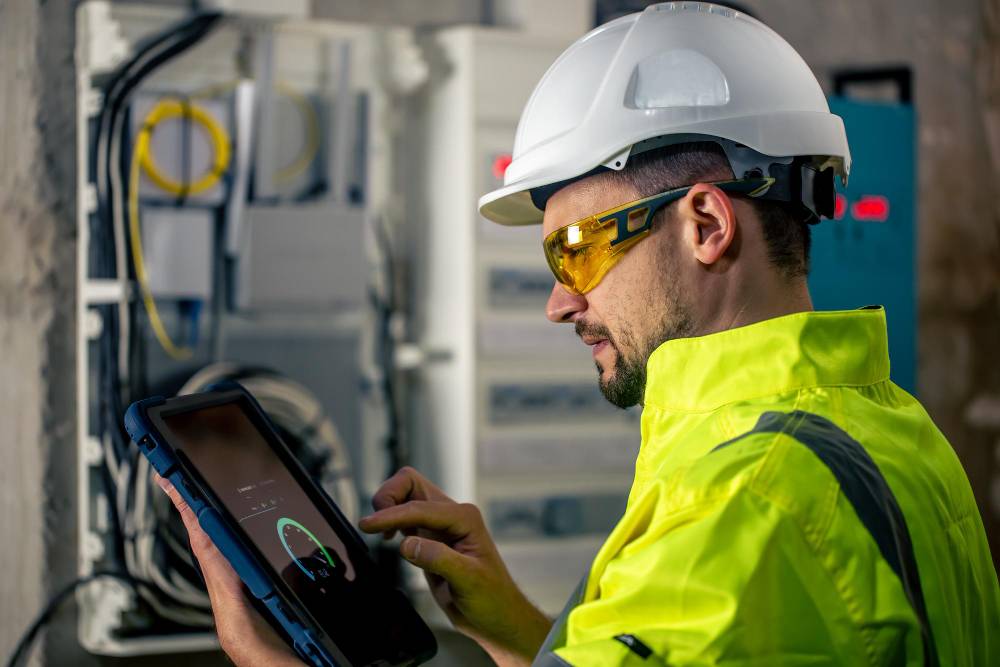
Predictive maintenance is one of the most impactful smart strategies available today. By leveraging IoT sensors, facilities can continuously collect real-time data on critical equipment such as HVAC systems, elevators, or electrical infrastructure. These sensors monitor metrics like temperature, vibration, or energy consumption, which AI algorithms then analyze to predict potential breakdowns. Instead of reacting to system failures, managers receive early warnings and can schedule targeted repairs at convenient times.
This approach has been shown to significantly reduce unplanned outages while lowering repair costs. For instance, studies have found that predictive maintenance increases equipment uptime by up to 20 percent and lowers costs by 25 percent compared to reactive methods. In practice, this means fewer emergency calls, improved reliability, and a safer environment for employees and visitors. Over time, predictive maintenance also extends the lifespan of assets, generating even greater cost savings.
Implementing Energy Management Systems
Energy management is a vital part of facility efficiency since utility bills are often the second-largest operating expense after labor. Smart maintenance strategies include using building management systems (BMS) and smart meters to track real-time energy consumption. By analyzing this data, facility managers can detect inefficiencies, optimize equipment usage, and implement conservation measures that directly lower costs.
For example, lighting systems can be equipped with motion detectors and daylight sensors to reduce unnecessary energy use. Similarly, HVAC systems can automatically adjust to occupancy patterns, maintaining comfort levels while minimizing waste. In large commercial facilities, these small adjustments can translate into thousands of dollars saved each year. Beyond the financial benefits, energy-efficient practices also support environmental sustainability and compliance with international standards like ISO 50001 or green certifications such as LEED.
Digital Twin Technology for Facility Management
Digital twin technology is revolutionizing facility management by creating virtual replicas of buildings and their systems. These digital models integrate IoT data, allowing facility managers to visualize performance, simulate maintenance scenarios, and forecast how assets will behave under varying conditions. With a digital twin, managers can predict system failures, test potential solutions, and optimize operations without interrupting real-world activities.
This technology is particularly beneficial for large and complex facilities such as airports, hospitals, or manufacturing plants. For example, a digital twin of an airport terminal can simulate how HVAC systems will respond to seasonal changes or high passenger volumes, enabling proactive adjustments. By providing a data-rich environment for decision-making, digital twins reduce trial-and-error approaches, optimize resource allocation, and minimize costly downtime.
Preventive Maintenance Scheduling
While predictive maintenance uses advanced analytics, preventive maintenance remains an essential strategy. Preventive maintenance involves regularly scheduled inspections, servicing, and repairs to prevent failures before they occur. Activities such as lubricating machinery, cleaning filters, and replacing worn parts ensure that equipment continues to perform optimally and avoid unexpected breakdowns.
The use of Computerized Maintenance Management Systems (CMMS) has modernized preventive maintenance. These platforms allow managers to automate scheduling, track work orders, and maintain detailed records of maintenance history. By implementing structured preventive maintenance plans, organizations can extend equipment life by up to 30 percent, reduce downtime, and comply with safety regulations. This approach is cost-effective and ensures a more predictable maintenance budget.
Data-Driven Decision-Making and Reporting
The ability to make informed decisions lies at the heart of smart maintenance. Data-driven maintenance strategies collect performance metrics from equipment, utilities, and building systems, then transform this data into actionable insights. Facility managers can use analytics dashboards to track patterns, identify recurring issues, and prioritize maintenance tasks based on urgency and potential impact.
Automated reporting tools make this process even more effective. Managers can receive weekly or monthly performance summaries, including details about energy usage, asset efficiency, and maintenance costs. These reports not only aid day-to-day decision-making but also serve as valuable documentation for audits and regulatory compliance. By aligning maintenance decisions with business goals, organizations can ensure both cost efficiency and strategic growth.
Sustainable and Green Maintenance Practices
Sustainability is a growing priority in commercial facility management. Green maintenance strategies not only reduce environmental impact but also align with corporate social responsibility goals and tenant expectations. This includes adopting eco-friendly cleaning supplies, maintaining energy-efficient HVAC systems, and ensuring proper waste management and recycling programs.
One of the most impactful approaches is the maintenance of renewable energy assets, such as solar panels or energy storage systems. Ensuring these systems operate efficiently reduces reliance on traditional power sources and lowers long-term operating expenses. Facilities that incorporate sustainable practices often attract environmentally conscious tenants, improve their market reputation, and may even qualify for tax incentives or green building certifications.

Benefits of Smart Maintenance Strategies
Smart maintenance delivers tangible benefits that go beyond cost savings. Facilities that embrace predictive and preventive strategies reduce downtime, improve occupant safety, and create healthier environments. Consistent maintenance also extends the lifespan of assets, reducing the need for frequent replacements and lowering capital expenditures.
Another key benefit is improved compliance with safety and environmental regulations. Automated monitoring ensures that systems remain within required operational standards, minimizing liability risks. In addition, tenants and stakeholders often view well-maintained, sustainable facilities as more attractive, which enhances reputation and market competitiveness. Ultimately, smart maintenance creates a balance between operational efficiency, financial savings, and long-term sustainability.
Challenges in Implementation
Despite its advantages, implementing smart maintenance strategies comes with challenges. The upfront costs of IoT devices, AI tools, and digital twin technology can be significant. Smaller facilities may hesitate to invest in advanced systems without clear short-term returns. Additionally, integrating modern technologies with legacy infrastructure may require careful planning and skilled expertise.
Another common challenge is staff adaptation. Shifting from traditional maintenance approaches to smart strategies requires training, change management, and ongoing support. Facility managers must also prioritize cybersecurity, as connected devices and cloud platforms can introduce vulnerabilities. However, most of these challenges are temporary, and research shows that organizations typically achieve a positive return on investment within two to three years of adopting smart maintenance practices.
Conclusion
Maximizing commercial facility efficiency is no longer just about routine inspections; it requires a comprehensive, technology-driven approach. Smart maintenance strategies such as predictive maintenance, energy optimization, digital twins, preventive scheduling, and sustainability initiatives help facilities run reliably, cost-effectively, and responsibly. These strategies not only reduce downtime and expenses but also align with environmental goals and regulatory demands.
As facilities become larger and more complex, embracing smart maintenance will be crucial to remaining competitive. By combining digital tools, data insights, and sustainable practices, organizations can create resilient facilities that deliver long-term value. Those who adopt smart maintenance strategies today will be better positioned to meet the demands of tomorrow’s markets while ensuring efficient, safe, and sustainable operations.


