
Maintaining the exterior of your building throughout the year is not just about curb appeal. It is about preventing small problems from becoming costly repairs. Seasonal maintenance helps preserve the integrity of your property, safeguards the structure, and creates a safe and appealing environment for everyone who interacts with your business or residence.
Each season brings different challenges. Summer heat, autumn leaves, winter snow, and spring rains can all take a toll on your building. With a proactive checklist, you stay ahead of potential issues and avoid the chaos that can come from unexpected damage or degradation.
Spring Maintenance Checklist
Inspect the Roof for Winter Damage
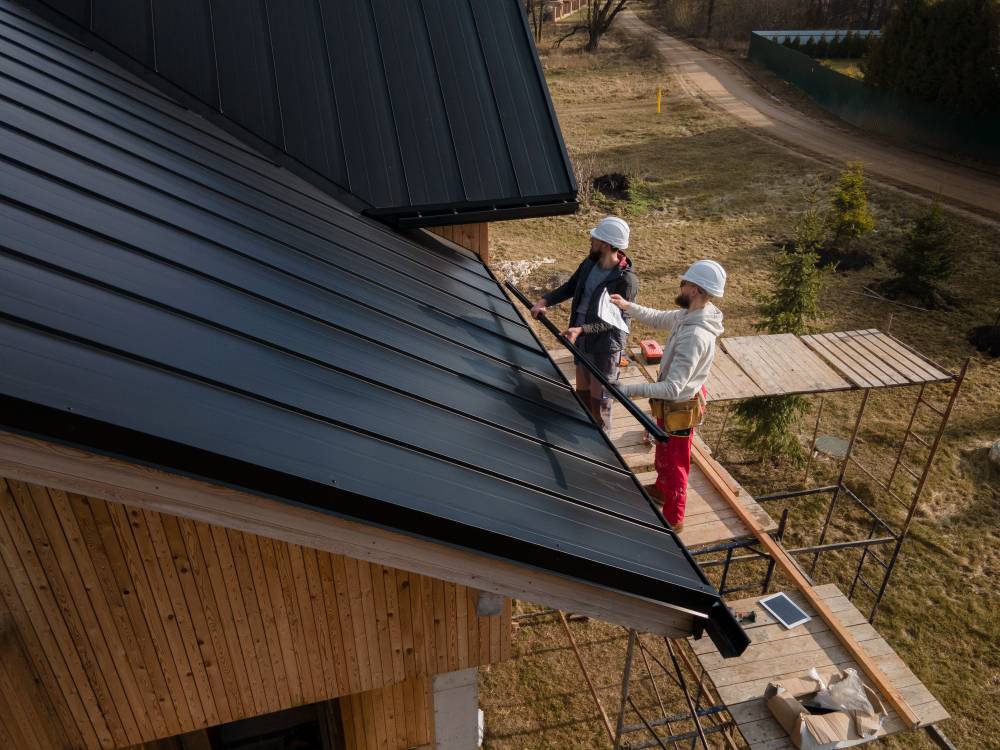
Spring is the best time to check for issues caused by snow, ice, and heavy winds. Look for loose or missing shingles, cracks in sealants, or signs of water damage in the attic. These are early warnings that your roof may need repairs before the heavy rains of late spring arrive.
A roofing professional can help you conduct a detailed inspection and make sure flashing, gutters, and ventilation systems are intact. Addressing roof problems now prevents leaks that can compromise insulation and structural materials.
Clean and Repair Gutters and Downspouts
Clogged gutters are one of the main culprits behind water damage. Clear out leaves, twigs, and debris that accumulated over the winter months. Make sure downspouts are directing water away from your foundation to prevent erosion and basement flooding.
Check for any sagging sections or rust. Reattaching or replacing damaged gutter sections helps maintain proper drainage, especially as spring rains begin.
Summer Maintenance Checklist
Pressure Wash Siding and Walkways
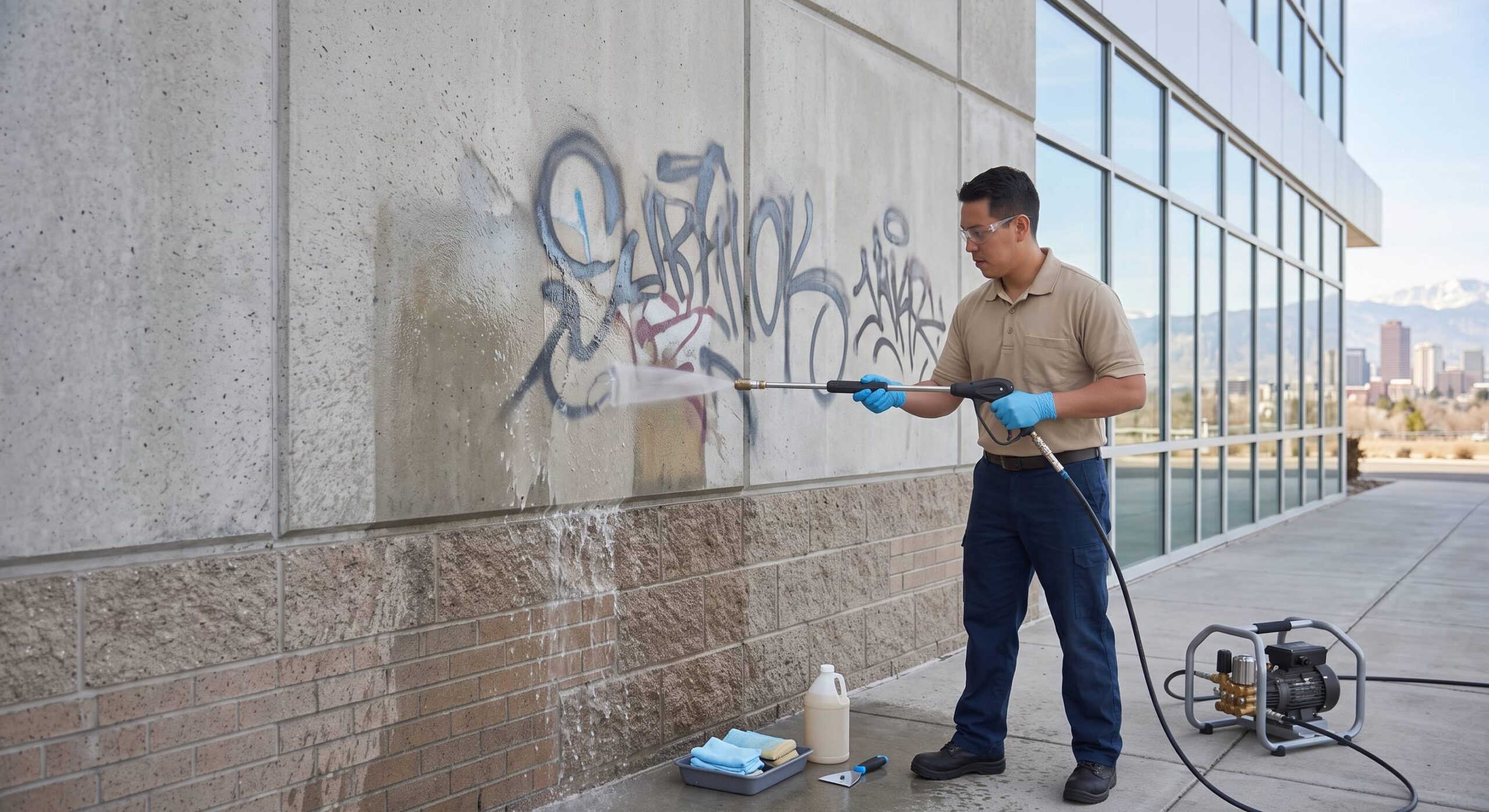
Summer is the perfect time to give your building a deep clean. Pressure washing removes built-up grime, mildew, pollen, and algae from siding, walkways, decks, and exterior walls. A clean exterior not only improves appearance but also prevents surface materials from deteriorating.
Focus on areas that receive little sunlight or where moisture lingers. These are the places most prone to mold and mildew, which can damage paint and create health hazards.
Seal Cracks in Pavement and Concrete
Heat can cause expansion in concrete surfaces, leading to cracks in sidewalks, parking lots, and foundations. Sealing these cracks early helps prevent water from entering and causing further damage, especially when temperatures shift in fall.
Use commercial-grade sealant to fill cracks and repaint faded lines in parking areas. This improves both safety and aesthetics for visitors and tenants.
Autumn Maintenance Checklist
Trim Trees and Remove Dead Branches
Fall is the time to assess trees and large shrubs around your property. Overhanging branches can damage roofs, windows, and vehicles during strong winds or snowstorms. Removing dead limbs and shaping growth now prevents damage during winter storms.
Tree trimming also enhances visibility for signage and lighting. It keeps walkways clear and contributes to an organized, professional look.
Clean Window Wells and Exterior Drains
Falling leaves often clog window wells, stairwell drains, and other exterior drainage systems. If left unattended, these blockages can lead to water pooling and basement flooding. Regular cleaning ensures your systems continue functioning properly even during heavy autumn rains.
Check that all drain covers are in place and in good condition. Secure any loose grates and ensure the slope around your foundation directs water away from the building.
Winter Maintenance Checklist
Inspect and Seal Exterior Doors and Windows
Cold drafts and heat loss through windows and doors lead to high energy bills. Examine weather stripping, caulking, and seals around all entry points. Replacing worn materials prevents cold air from entering and moisture from seeping inside.
This also improves interior comfort, protects against mold growth, and enhances energy efficiency. You can save significantly on heating costs by making these small changes.

Check Exterior Lighting and Replace Bulbs
With shorter daylight hours, adequate lighting becomes critical for safety and security. Inspect all outdoor fixtures, including entrances, walkways, parking areas, and signage. Replace any burned-out bulbs and consider upgrading to LED lights for better performance and energy savings.
A well-lit property deters trespassers, reduces the risk of accidents, and maintains a welcoming environment for visitors and staff during the darker months.
Year-Round Maintenance Essentials
Schedule Regular Exterior Inspections
Routine inspections are your first line of defense against deterioration. Whether it is monthly or quarterly, consistent checks ensure small issues are addressed before they grow. Keep a record of each inspection and any repairs made for future reference.
Hire professionals for areas you cannot assess yourself, such as roofing, electrical, or HVAC systems. An experienced eye can catch subtle signs of trouble early on.
Maintain Landscaping Across All Seasons
Good landscaping adds life and color to your property. Mow, edge, prune, and mulch as needed throughout the year. Remove weeds regularly, fertilize lawns, and plant season-appropriate flora to maintain a fresh, well-kept appearance.
Keeping plants away from your building’s walls prevents moisture buildup and pest intrusion. Well-maintained landscaping also enhances your brand image and helps with water drainage control.
Conclusion
Keeping your exterior spaces in top shape year-round requires commitment and consistency. With seasonal checklists in place, you not only improve your building’s look but also ensure the safety, functionality, and value of your property. Small efforts throughout the year add up to significant savings and fewer emergencies.
Stay proactive, stay prepared, and your property will reward you with better performance, longer-lasting materials, and a better experience for everyone who uses it.