

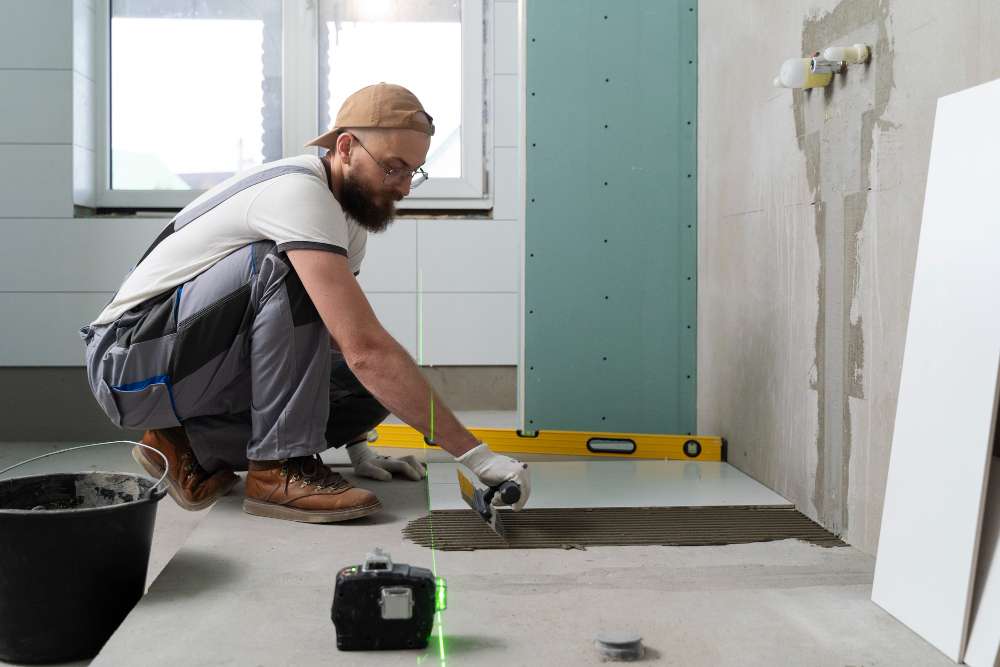
Selecting the right commercial flooring contractor is a decision that affects more than appearance. Flooring impacts safety, durability, acoustics, maintenance costs, and business continuity. Choosing the wrong contractor can result in premature wear, failed installations, project delays, and costly rework—problems that often surface long after the job appears complete.
This guide explains how to choose a commercial flooring contractor by focusing on the questions that matter most. It is written for facility managers, property owners, and operations leaders who need flooring installed correctly the first time.
Why Choosing the Right Flooring Contractor Matters
Commercial flooring is subject to heavier use, stricter codes, and tighter timelines than residential flooring. Installations often occur in occupied buildings, require coordination with other trades, and must meet performance expectations for years.
A qualified contractor understands these realities. A person without qualifications might focus on speed or price. They may ignore preparation, subfloor conditions, or long-term performance. These mistakes can quickly become costly.
Question 1: What Experience Do You Have With Commercial Flooring?
Not all flooring contractors specialize in commercial environments. Commercial projects require experience with large square footage, specialized materials, and strict schedules.
Ask how long the contractor has worked in commercial settings and what types of facilities they serve, such as offices, healthcare buildings, retail spaces, or industrial properties. Experience with your specific environment matters because installation methods, materials, and compliance requirements vary significantly.
Question 2: Are You Licensed, Insured, and Properly Certified?
This is a non-negotiable requirement. A professional commercial flooring contractor should carry appropriate licensing and insurance to protect both parties.
At a minimum, confirm:
- Valid contractor licensing (where required)
- General liability insurance
- Workers’ compensation coverage
Lack of coverage exposes property owners to financial and legal risk if injuries or damage occur.
Question 3: What Flooring Materials Do You Specialize In?
Commercial flooring includes a wide range of materials, each with unique installation requirements.
Common commercial flooring types include:
- Carpet tile and broadloom
- Luxury vinyl tile (LVT)
- Sheet vinyl
- Ceramic or porcelain tile
- Polished concrete
- Rubber flooring
A contractor may be excellent with one material and inexperienced with another. Make sure their expertise aligns with your chosen flooring type.
Question 4: How Do You Prepare Subfloors?
Subfloor preparation is one of the most common failure points in commercial flooring installations. Moisture, uneven surfaces, and improper preparation can cause adhesive failure, bubbling, cracking, or premature wear.
Ask the contractor to explain how they evaluate and prepare subfloors. A reliable contractor will discuss moisture testing, leveling, and surface preparation in detail—not dismiss it as routine.
Question 5: Can You Handle Installation in an Occupied Building?
Many commercial flooring projects occur while businesses remain operational. This requires careful planning, safety controls, and coordination.
Key considerations include:
- Phased installation strategies
- After-hours or weekend work
- Dust and noise control
- Clear communication with occupants
Contractors experienced in occupied environments reduce disruption and safety risks.
Question 6: What Is Your Project Timeline and Availability?
Timeline clarity is critical for commercial projects tied to move-ins, renovations, or tenant improvements.
Ask for a realistic schedule that includes:
- Material lead times
- Installation duration
- Cure times before occupancy
- Contingency planning for delays
Overly aggressive timelines often signal inexperience or understaffing.
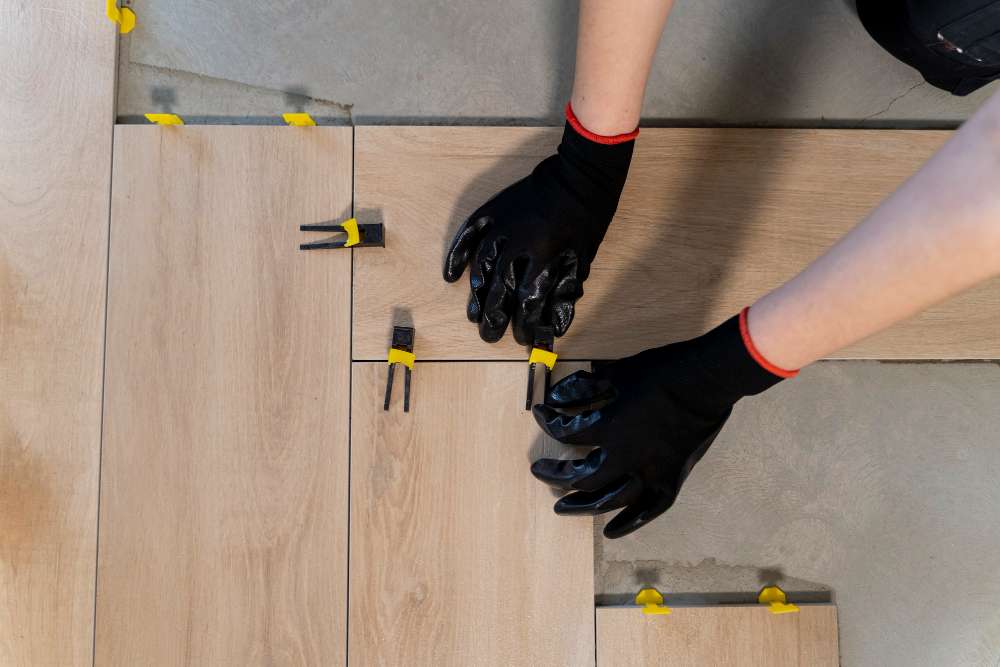
Question 7: Do You Provide References for Similar Projects?
Reputable commercial flooring contractors should be able to provide references for projects similar in size and scope to yours.
When contacting references, ask about:
- Schedule adherence
- Quality of installation
- Communication and responsiveness
- Post-installation support
Patterns in feedback are often more telling than any single review.
Question 8: How Do You Handle Warranties and Guarantees?
Flooring warranties can be complex, involving both manufacturer warranties and workmanship guarantees.
Clarify:
- What warranties are provided
- What actions could void warranties
- How warranty claims are handled
- Whether the contractor is certified by manufacturers
- Poor installation can void even the best flooring warranties.
Question 9: What Is Included in Your Quote?
A detailed quote prevents misunderstandings and change orders.
A professional quote should clearly outline:
- Materials and quantities
- Labor scope
- Subfloor preparation
- Furniture moving or protection
- Removal and disposal of old flooring
- Cleanup responsibilities
Vague estimates often lead to unexpected costs.
Question 10: How Do You Manage Safety and Compliance?
Commercial flooring projects must comply with safety regulations and building codes. Contractors should have safety protocols, training, and documentation in place.
Ask how safety is managed on-site and how compliance requirements are addressed, especially in healthcare or public buildings.
Question 11: What Happens After Installation Is Complete?
Post-installation support matters. Ask about final inspections, punch lists, and maintenance recommendations.
A quality contractor remains available to address issues that arise after installation rather than disappearing once payment is complete.
Question 12: How Do You Coordinate With Other Trades?
Flooring often overlaps with painting, electrical work, furniture installation, and cleaning. Coordination prevents conflicts and delays.
Experienced contractors understand sequencing and communication, reducing project friction.
Final Thoughts
Choosing the right commercial flooring contractor requires more than comparing prices. Experience, preparation, communication, and accountability all determine whether a flooring investment succeeds or fails.
By asking the right questions upfront, businesses can protect budgets, timelines, and long-term facility performance.


