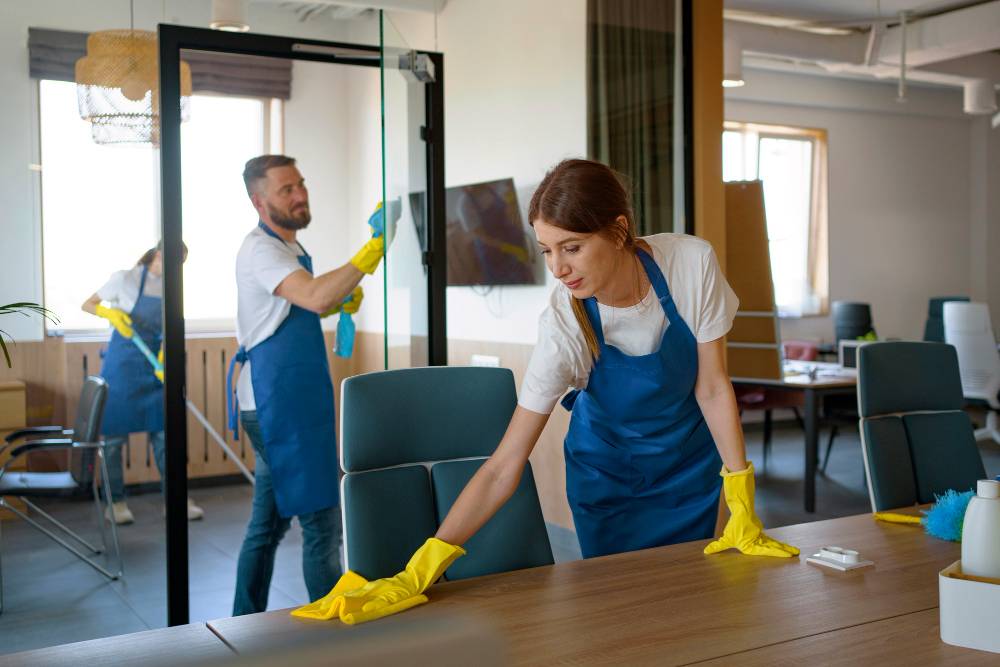
The performance of a commercial facility depends on much more than its infrastructure. Cleanliness, safety, and functionality all play equally vital roles in shaping the overall efficiency of operations. Businesses often treat janitorial services and maintenance as separate functions, but when these services are integrated under a unified strategy, the results can be transformative. By blending routine cleaning with preventive and corrective maintenance, organizations can reduce costs, extend the life of their assets, and create an environment where employees and visitors feel comfortable and safe.
Integrated service models are increasingly being adopted across industries because they provide a holistic approach to facility management. Rather than working in isolation, janitorial and maintenance teams collaborate, share information, and streamline workflows. This eliminates redundancies, ensures that problems are addressed quickly, and improves communication across facility operations. Ultimately, integration not only enhances building performance but also supports long-term sustainability and customer satisfaction.
The Overlap Between Janitorial and Maintenance Services
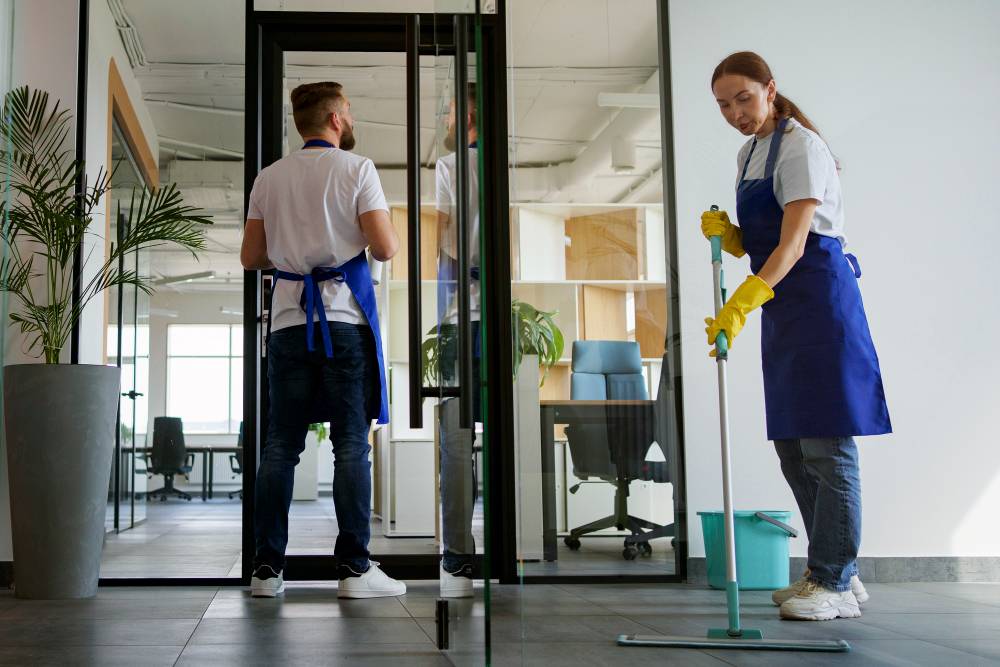
Although janitorial and maintenance services are often viewed separately, the truth is they share many overlapping responsibilities. For instance, janitors may be the first to notice a leaking pipe, flickering light, or HVAC system malfunction while performing routine cleaning. Without an integrated system, such observations may go unreported or take longer to reach the maintenance department, resulting in higher repair costs and potential downtime. With integration, these issues are flagged and addressed immediately.
Both services also play critical roles in maintaining a safe and healthy facility. Janitorial teams ensure cleanliness and sanitation, which are essential for health compliance, while maintenance teams ensure equipment and infrastructure function properly, minimizing safety risks. Their combined efforts help reduce accidents, improve air quality, and ensure compliance with regulatory standards. By working together, they strengthen the facility’s overall resilience and provide a more proactive approach to building care.
Advantages of Integrating Janitorial and Maintenance Services
Improved Communication and Workflow
Integration fosters seamless communication between cleaning staff and maintenance crews. A unified reporting system allows janitorial workers to log issues they encounter, which the maintenance team can then resolve quickly. This reduces delays and ensures that problems do not escalate into larger concerns. The streamlined workflow also eliminates duplicated efforts, improving efficiency across the board.
Cost Savings and Resource Efficiency
One of the most significant benefits of integration is cost reduction. Facilities save money by minimizing redundant labor, optimizing supply purchases, and improving energy efficiency. Preventive maintenance coordinated with janitorial tasks reduces the likelihood of expensive emergency repairs. Furthermore, integrated teams can work during off-hours, minimizing disruption to business operations and lowering overall operational costs.
Enhanced Facility Performance and Lifespan
When janitorial and maintenance services collaborate, the overall performance of the facility improves. Regular cleaning protects equipment and infrastructure from wear and tear, while consistent maintenance ensures systems run efficiently. For example, dust-free HVAC systems perform better and consume less energy. Over time, this integrated care extends the lifespan of building assets and reduces the need for frequent replacements.
Technology’s Role in Integration
Modern technology plays a crucial role in making integration effective. Facility management software can bring janitorial and maintenance functions together on a single platform, allowing both teams to monitor performance, track issues, and schedule tasks efficiently. Real-time reporting tools ensure that observations made by janitorial staff are immediately accessible to maintenance personnel, reducing delays in corrective action.
IoT (Internet of Things) devices also support integration by monitoring building systems like HVAC, lighting, and water usage. Automated alerts can be sent directly to both janitorial and maintenance teams, ensuring quick responses. This level of technological coordination not only improves efficiency but also helps facilities make data-driven decisions to further enhance performance.
Practical Steps to Implement Integration
Develop a Unified Service Model
Organizations should begin by creating a service model where janitorial and maintenance operations are planned and managed together. This involves shared reporting systems, joint meetings, and cross-training employees to ensure a comprehensive understanding of both functions.
Cross-Training Staff
Cross-training is vital for integration. Janitorial staff can be trained to recognize early signs of maintenance problems, while maintenance teams can learn the importance of cleaning practices in prolonging equipment life. This shared knowledge strengthens collaboration and creates a more versatile workforce.
Regular Coordination Meetings
Scheduling routine coordination meetings between janitorial and maintenance teams ensures alignment of priorities. The maintenance department can review issues identified by janitors during their daily cleaning routines for action. Similarly, upcoming maintenance activities can be communicated to janitorial staff to avoid conflicts.
Conclusion
Integrating janitorial and maintenance services is not just a cost-saving measure; it is a strategic approach to achieving better facility performance. By eliminating redundancies, improving communication, and leveraging technology, organizations can create an environment that is clean, safe, and efficient. Cross-training staff and adopting unified reporting systems ensure that both teams support each other, ultimately enhancing the overall quality and lifespan of building assets.
Businesses that adopt this integrated model will not only reduce operational inefficiencies but also improve employee satisfaction, customer experience, and long-term sustainability. In a competitive business environment, the combined strength of janitorial and maintenance services can provide a significant advantage in facility management.


