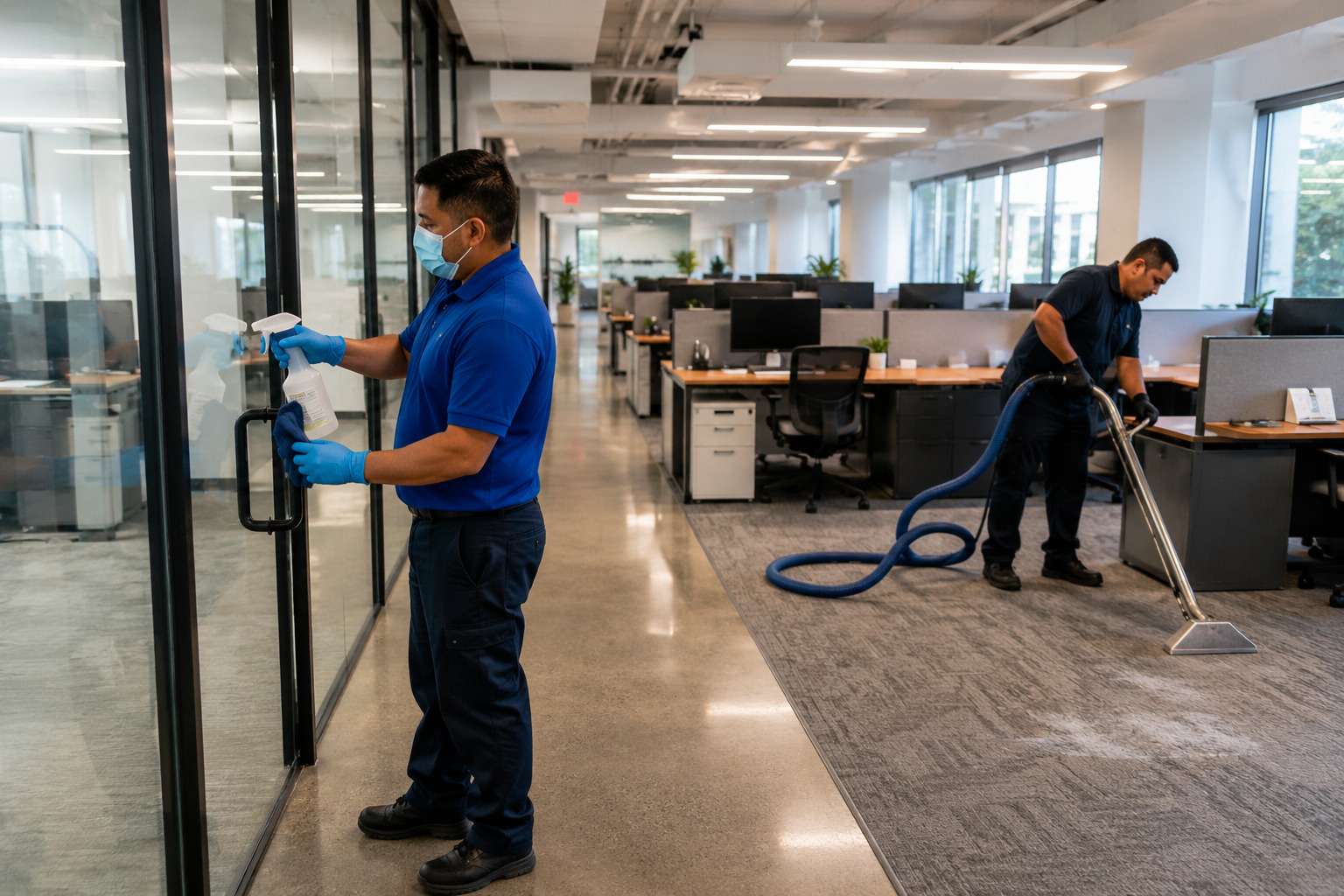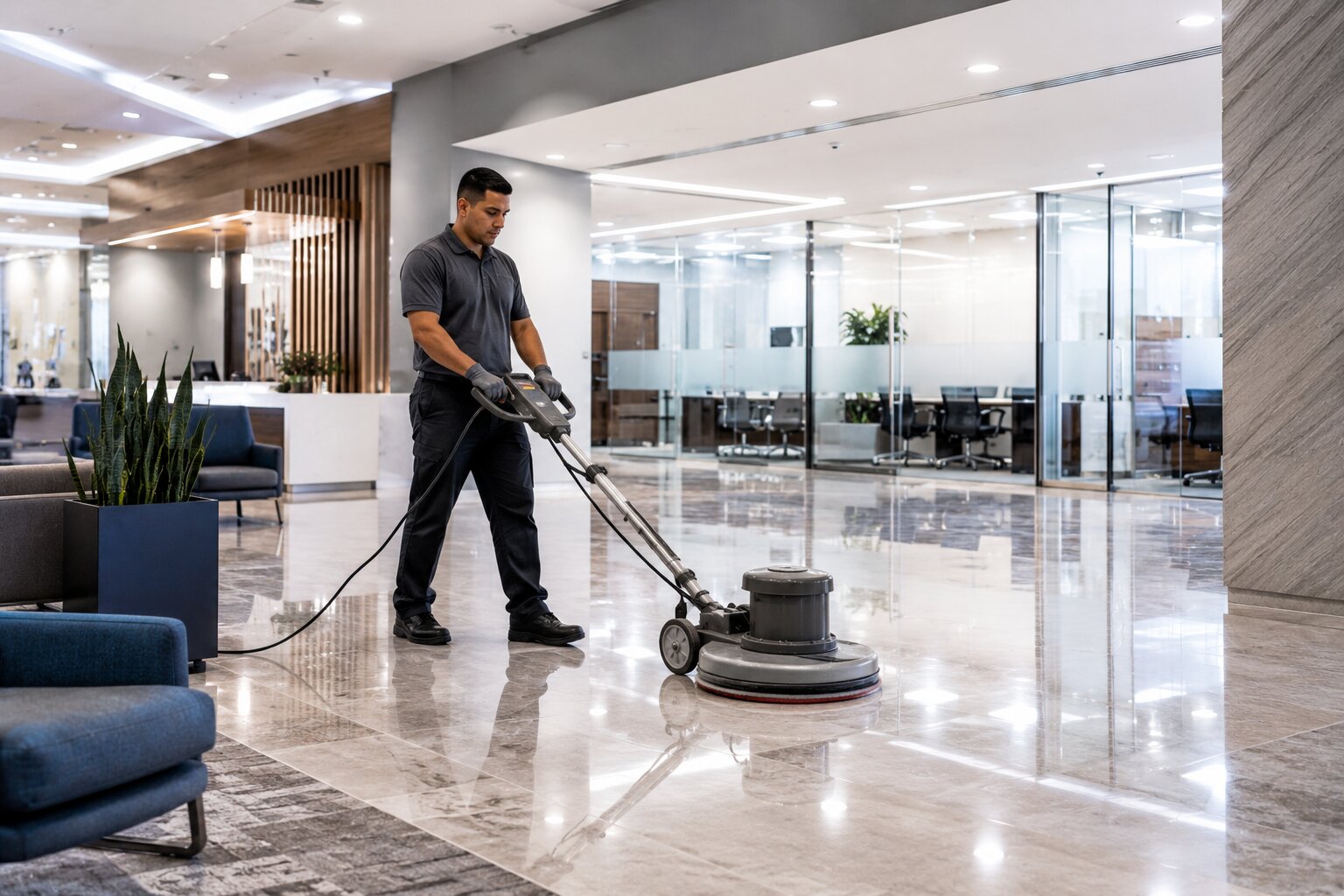

Building maintenance is often one of those behind-the-scenes aspects of a business that only gets noticed when something goes wrong. A leaking roof, flickering lights, and malfunctioning HVAC systems these issues that can disrupt workflows, damage property, and reduce both employee morale and customer satisfaction. That’s why proactive building maintenance is essential. When managed well, it can significantly improve safety, efficiency, and even the reputation of your organization.
As a facility or property manager, anticipating problems before they arise is one of your most valuable skills. Effective building maintenance isn’t just about putting out fires but preventing them altogether. It means creating a clean, functional, and safe environment where everyone can do their best work.
In this guide, we’ll cover essential building maintenance tips every manager should know. From daily checklists to seasonal upkeep, these insights will help you maintain a facility that operates smoothly, remains compliant with regulations, and supports your company’s long-term goals.
Prioritize Preventive Maintenance Over Reactive Repairs
One of the most fundamental concepts in building maintenance is the difference between preventive and reactive care. Waiting until a system breaks before addressing it often leads to higher repair costs, extended downtime, and potentially greater safety risks. Preventive maintenance flips this script by emphasizing routine inspections, tune-ups, and minor fixes before they escalate into major issues.
For example, scheduling regular HVAC maintenance can extend the system’s lifespan and prevent uncomfortable indoor climates that reduce productivity. Similarly, periodic plumbing checks can catch leaks before they lead to mold growth or water damage. Preventive maintenance not only saves money in the long term but also provides peace of mind for everyone in the building.
As a manager, work with your maintenance team to create and follow a preventive maintenance schedule. Keep detailed logs of inspections and repairs so you can identify patterns or recurring problems. This organized approach turns building care from a reactive scramble into a proactive strategy.
Inspect Key Systems Regularly
Every building consists of several core systems that require consistent attention: electrical, plumbing, HVAC, structural components, and life safety systems. Each of these has its own maintenance needs and inspection intervals. Ignoring them can lead to serious hazards or even regulatory violations.
Start by creating a checklist that includes monthly, quarterly, and annual inspection tasks. For electrical systems, check for overloaded circuits, exposed wiring, or outdated panels. Plumbing inspections should look for corrosion, clogs, or leaks. HVAC systems need filter changes, vent cleanings, and seasonal tune-ups. Don’t forget to examine elevators, escalators, fire alarms, and emergency exits as well.
While some of this work can be handled in-house, others, especially involving electrical and mechanical systems, should be managed by certified professionals. As the manager, your role is to coordinate these inspections, ensure compliance, and respond promptly to issues found during evaluations.
Maintain the Exterior As Well As the Interior
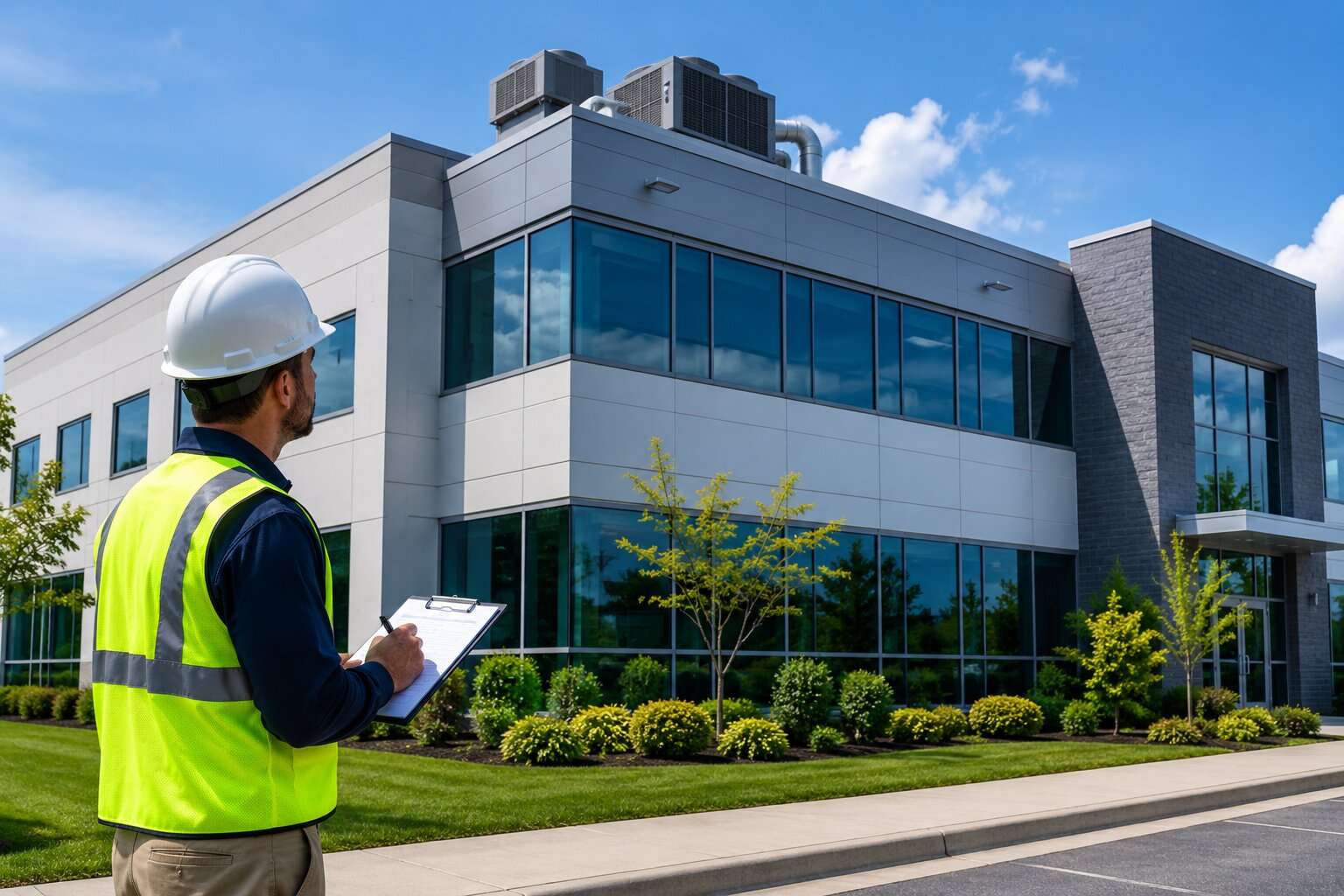
It’s easy to focus on the inside of a building, where staff and customers interact daily. However, the exterior is the first thing people see, and it’s constantly exposed to the elements. Proper upkeep of the exterior maintains curb appeal, prevents structural damage, and enhances safety.
Inspect the roof for missing shingles, ponding water, or membrane issues that could lead to leaks. Clear gutters and downspouts of leaves and debris to prevent water damage. Check for cracks in sidewalks or parking lots that could pose tripping hazards. Repaint faded signage, power wash siding, and keep landscaping trimmed and healthy.
Regular exterior maintenance also helps prevent pest infestations. Gaps around windows, deteriorating seals, and vegetation growing too close to the building can attract unwanted critters. Staying vigilant outside ensures the building stays protected and visually appealing.
Create a Maintenance Calendar and Stick to It
A clear, organized maintenance calendar is your roadmap to staying on top of tasks. It ensures no routine inspection or service falls through the cracks and helps coordinate responsibilities between team members, contractors, and vendors.
Use digital tools or maintenance management software to keep track of tasks. Break the calendar down by daily, weekly, monthly, and annual responsibilities. For example:
- Daily: Empty trash, inspect entrances, monitor lighting.
- Weekly: Check HVAC filters, test emergency lights, and examine restrooms.
- Monthly: Inspect plumbing lines, deep clean high-traffic areas, review security systems.
- Quarterly: Service HVAC systems, test fire suppression systems, and inspect the roof.
- Annually: Review service contracts, audit safety compliance, and evaluate building structure.
When you follow a structured calendar, you not only avoid emergencies but also ensure that your budget aligns with anticipated upkeep. A proactive plan reduces stress and allows you to plan rather than react at the last minute.
Keep Accurate Maintenance Records
Documentation is often overlooked but plays a critical role in effective building management. Accurate maintenance records help you stay compliant with safety regulations, monitor the performance of equipment, and track the history of repairs and upgrades.
Every time you perform an inspection or service, log the date, the issue, the corrective action, and who completed it. Store these records securely and make sure they are accessible for internal reviews or external audits.
Good documentation also informs decision-making. For instance, if you notice that a particular HVAC unit needs frequent repairs, it may be more cost-effective to replace it entirely. Historical data gives you the insights to make better investment decisions.

Train Staff and Promote Maintenance Awareness
Your maintenance team plays a central role, but everyone in the building contributes to a clean and safe facility. Train staff to identify and report maintenance issues early. A dripping faucet, a loose handrail, or a burnt-out lightbulb are all things that can be resolved quickly when people know to speak up.
Hold brief training sessions to explain what to look for and how to report problems. Provide a simple system, such as a maintenance request form or app, for submitting work orders. When everyone understands their role in keeping the building in shape, maintenance becomes a shared responsibility rather than a management burden.
Encouraging staff involvement also helps build a sense of pride in the workplace. Employees are more likely to respect and care for their surroundings when they feel empowered and informed.
Be Prepared for Emergencies
Despite the best maintenance plans, emergencies can still happen. Being prepared minimizes disruption and ensures safety, whether it’s a power outage, a plumbing flood, or a fire alarm. Every manager should have an up-to-date emergency response plan in place.
The plan should outline what to do in different scenarios, who to contact, and where important equipment (like fire extinguishers or shut-off valves) is located. Conduct regular drills with staff so they know how to respond in a crisis.
Also, review and restock emergency kits regularly. These might include flashlights, batteries, first-aid supplies, and contact lists. An informed and prepared team will always handle emergencies more effectively than an unprepared one.
Conclusion
Building maintenance might not be flashy, but it is the foundation of a successful facility. When managed correctly, it ensures safety, improves efficiency, and extends the lifespan of your infrastructure. For managers, the key is to be proactive, organized, and responsive. By following the tips above from preventive maintenance to emergency preparedness, you create an environment where everyone can thrive.
A well-maintained building reflects well on your leadership, supports your business goals, and keeps operations running without costly interruptions. When you prioritize maintenance, you’re not just protecting a structure but investing in your company’s future.