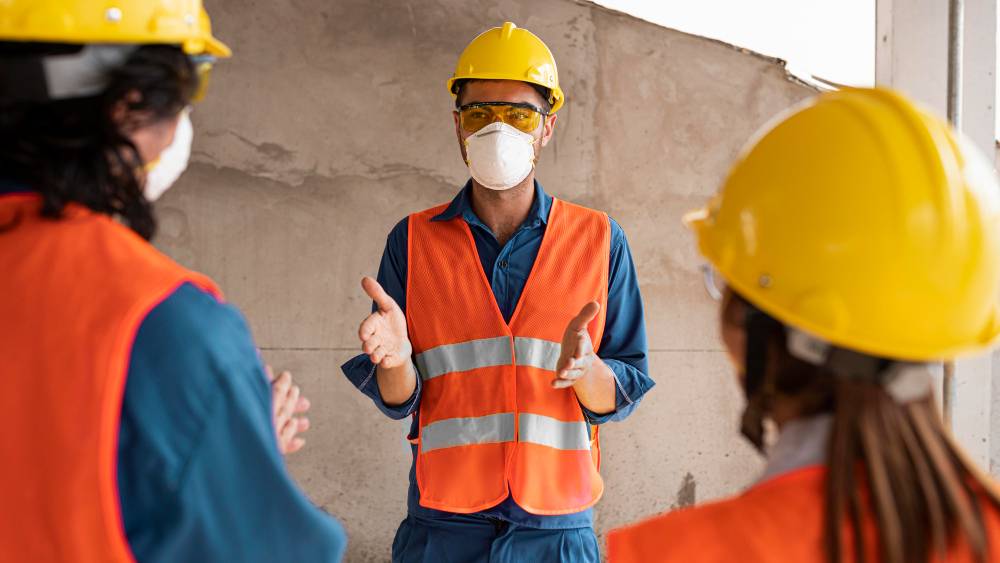
Ensuring a safe workplace is one of the most important responsibilities of any business owner or facility manager. A well-maintained and secure environment not only protects employees and visitors but also contributes to operational efficiency, compliance with legal standards, and overall workplace morale. Facility services play a central role in achieving these objectives by systematically managing the physical aspects of a building and preventing safety hazards before they escalate.
When workplaces lack regular maintenance, small issues can quickly grow into major liabilities. For example, a loose floor tile, faulty lighting, or a broken HVAC system might seem minor but can lead to serious accidents or health issues over time. Facility services provide the consistent upkeep needed to eliminate such risks, offering peace of mind to both management and employees.
More importantly, a clean, organized, and safe workplace has a direct impact on employee productivity and satisfaction. Employees feel valued and more focused when they know their environment is well-maintained and their safety is a priority. This makes facility services a strategic investment in both safety and long-term business success.
Routine Inspections and Hazard Prevention
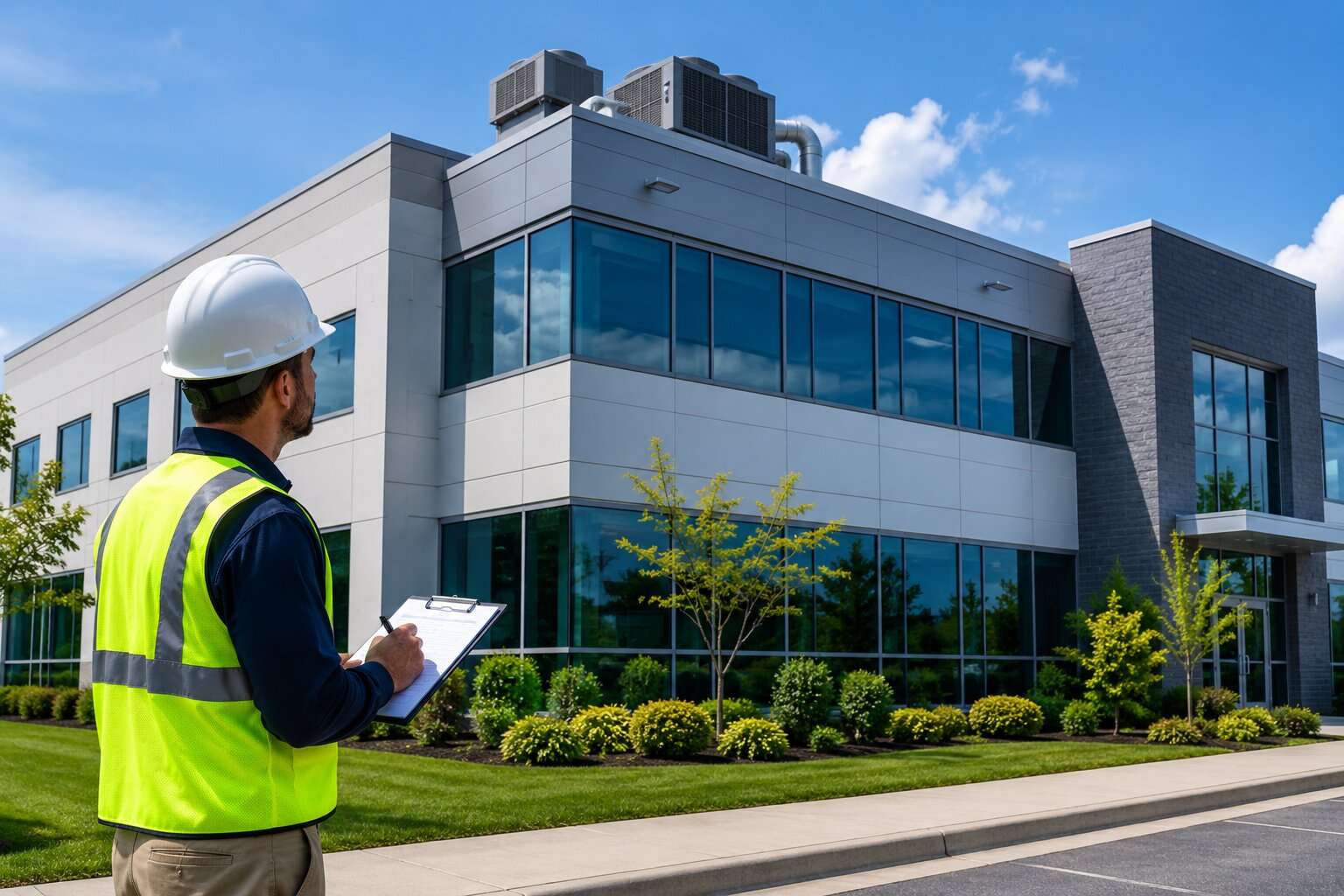
Regular inspections are fundamental to identifying and addressing potential hazards before they become serious problems. Facility service teams conduct scheduled walk-throughs to assess everything from structural integrity to fire safety, electrical systems, and plumbing. These evaluations allow businesses to proactively repair or upgrade problem areas without waiting for a breakdown or emergency to occur.
For instance, checking stairwells for loose handrails, inspecting exit signs and emergency lighting, and testing smoke detectors are all critical steps that help mitigate risks. Consistent monitoring of these components not only keeps the workplace compliant with safety regulations but also helps build a culture of accountability and awareness around safety.
Routine checks also ensure that seasonal hazards, such as icy walkways or blocked drains during heavy rains, are managed appropriately. This proactive maintenance strategy reduces the chances of slips, trips, and falls, which are among the most common workplace injuries. A safe facility translates into fewer insurance claims and lower liability for the business.
Proper Sanitation and Health Standards
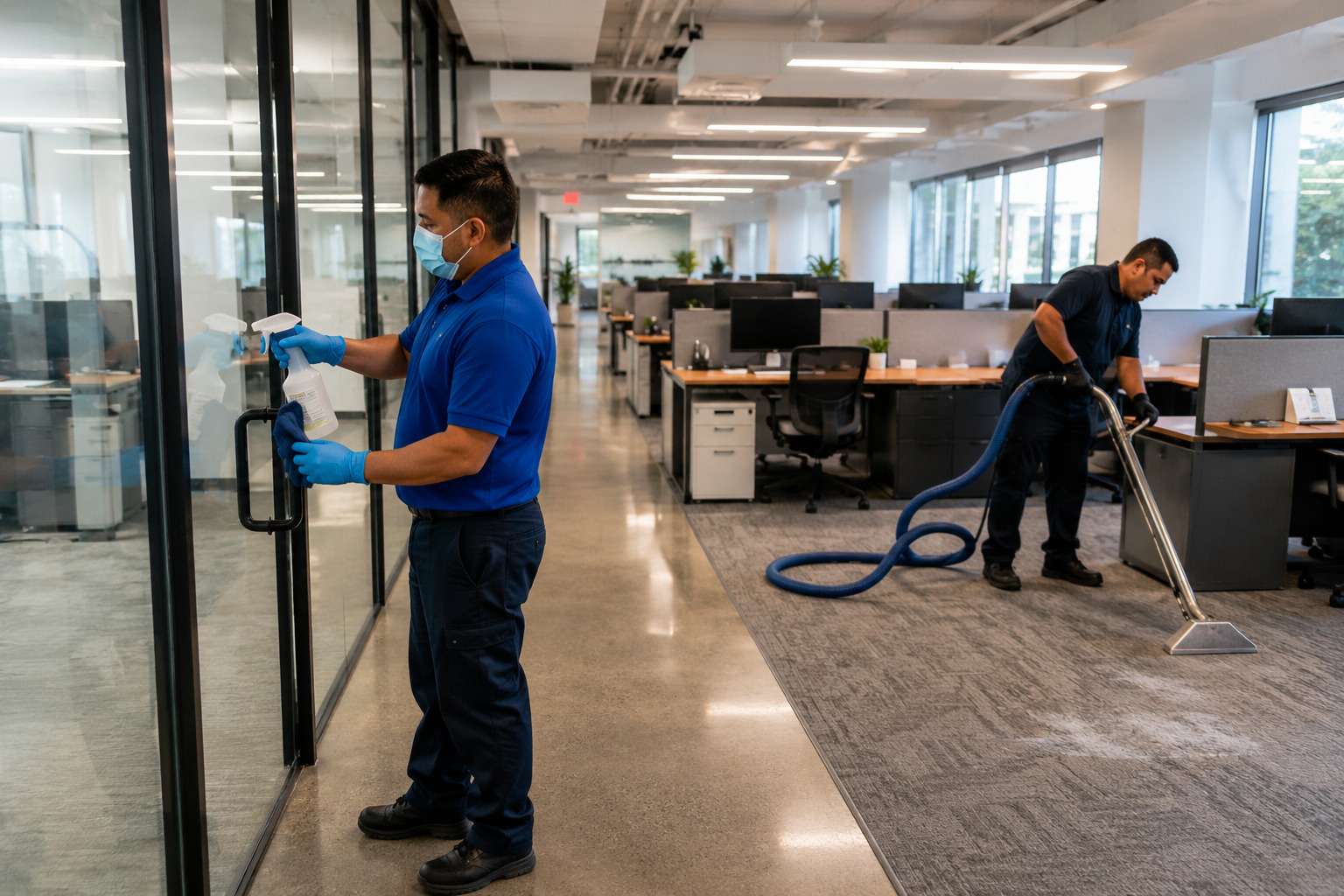
Maintaining high standards of cleanliness is essential to promoting health and safety within a workplace. Facility services cover critical tasks such as daily cleaning, waste disposal, sanitization of high-touch surfaces, and pest control. These efforts help minimize the spread of germs and reduce the risk of contagious diseases, which can otherwise lead to high absenteeism and lowered productivity.
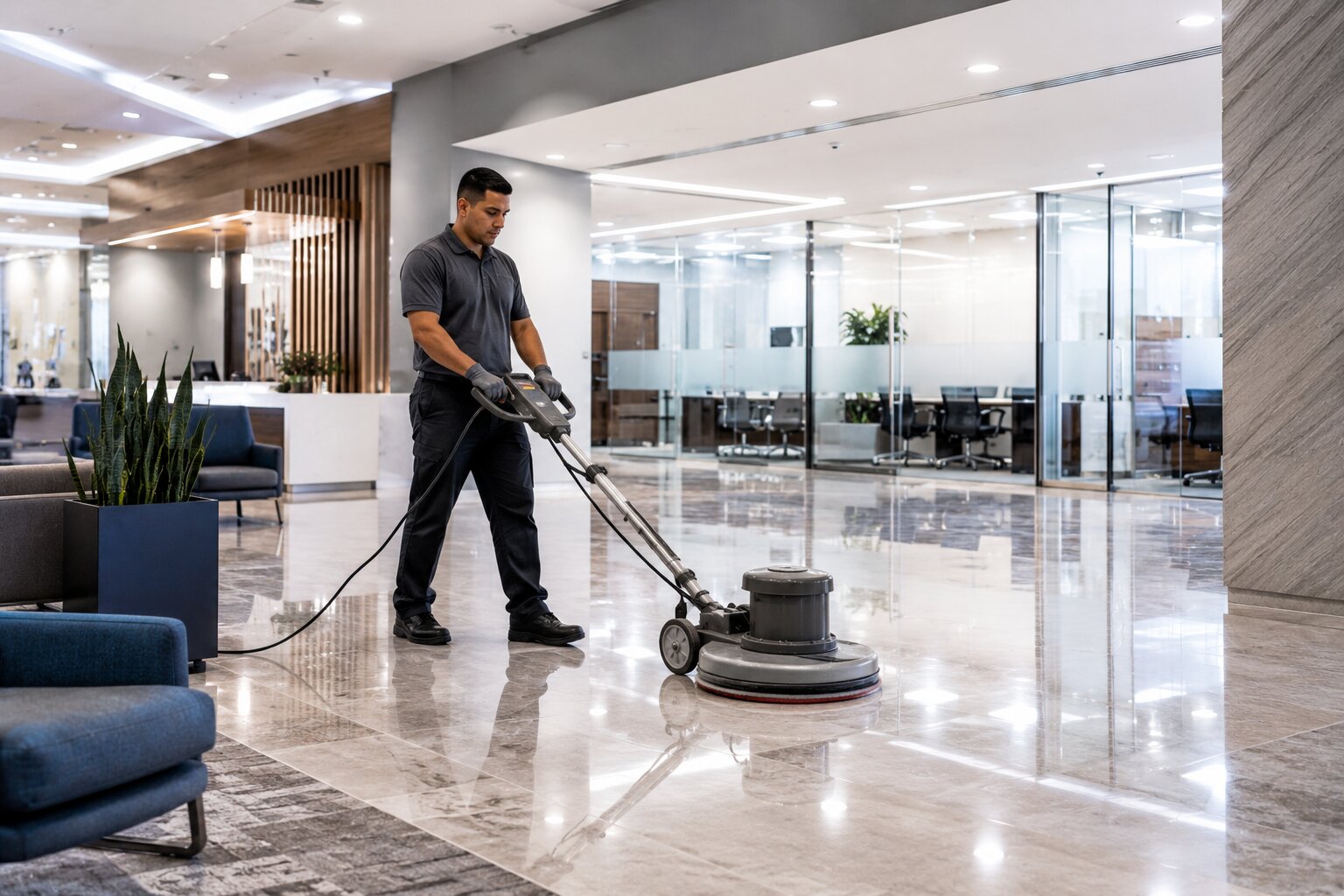
Especially in environments like offices, healthcare centers, or manufacturing plants, cleanliness is non-negotiable. Dust, allergens, and bacteria can accumulate quickly in carpets, vents, and shared spaces if not regularly addressed. Professional facility teams use commercial-grade equipment and eco-friendly cleaning solutions to ensure deep, effective sanitation.
Moreover, facility service providers adapt their cleaning schedules based on the unique needs of a workspace. Whether it involves nightly janitorial services or more frequent cleanups during flu season, they tailor their efforts to maintain hygiene at optimal levels. This adaptability enhances employee confidence and demonstrates the company’s commitment to their well-being.
Efficient Emergency Preparedness
Being prepared for emergencies is a critical component of workplace safety, and facility services play an instrumental role in ensuring readiness. From maintaining fire extinguishers and alarm systems to organizing evacuation routes and emergency lighting, their duties extend well beyond routine upkeep. These systems must be tested regularly to function properly during a crisis.
Facility managers often coordinate with safety officers to develop and implement emergency response plans. They assist in conducting evacuation drills and training sessions that educate employees on how to respond in situations such as fires, earthquakes, or power outages. This level of preparation significantly reduces panic and confusion during real emergencies.
Furthermore, facility services help maintain backup generators, sprinkler systems, and security alarms. When emergencies occur, these elements can mean the difference between a manageable disruption and a catastrophic failure. Regular oversight of emergency infrastructure supports business continuity and protects everyone within the building.

Enhancing Security with Facility Services
Physical security is a key component of a safe workplace, and facility services play an essential role in implementing and maintaining security measures. This includes managing access control systems, monitoring surveillance cameras, securing entry points, and ensuring proper lighting in parking lots and common areas. These elements work together to deter unauthorized access and protect property and personnel.
For businesses that operate late hours or handle sensitive materials, security becomes even more critical. Facility services can coordinate with security personnel to inspect locks, verify security badge systems, and respond to alerts in real-time. They also maintain fencing, barriers, and gates to prevent intrusions and ensure perimeter safety.
Additionally, well-lit and clearly marked areas reduce the risk of criminal activity. Employees are more comfortable and confident when they know the premises are secure. With consistent facility support, businesses can foster a safe environment that reassures both staff and visitors alike.
Conclusion
Creating a safer workplace with facility services is a smart, long-term investment that delivers measurable benefits. By addressing maintenance, cleanliness, emergency preparedness, and security, facility services form the backbone of a safe and productive work environment. These services not only prevent injuries and costly disruptions but also strengthen the overall work culture and compliance posture.
A workplace that prioritizes safety shows its people that they matter. It builds trust, loyalty, and engagement among employees, which in turn fuels performance and retention. Whether you manage an office, factory, or healthcare center, integrating professional facility services is a proactive step toward a safer and more successful business.