Introduction to Preventive Maintenance
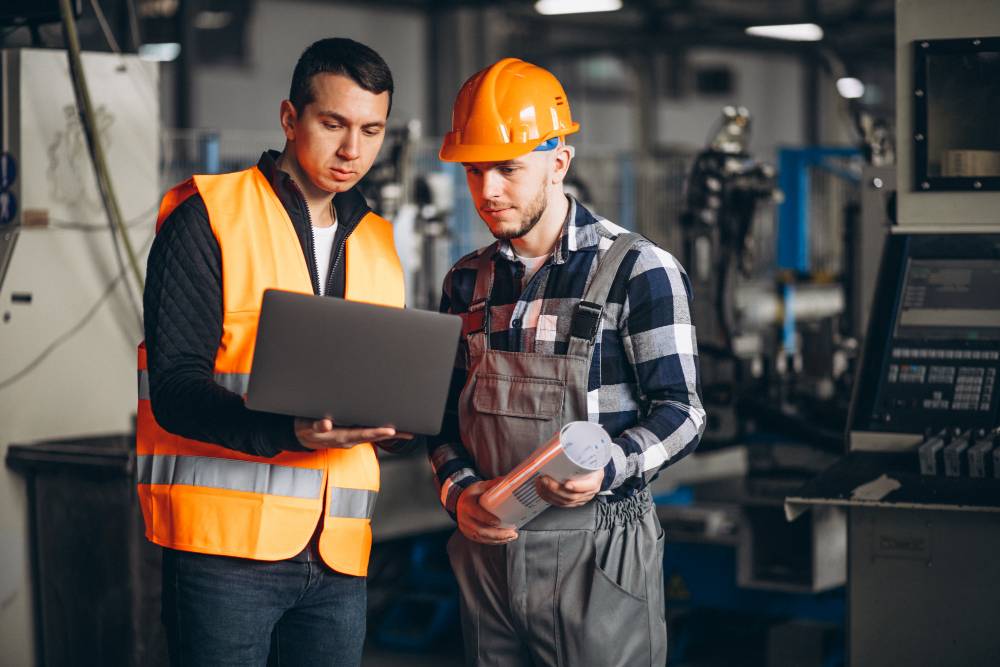
Preventive maintenance is a structured and proactive approach to caring for equipment, facilities, and systems before they break down or cause costly disruptions. Unlike reactive maintenance, which focuses on repairing equipment after it fails, preventative maintenance emphasizes regular inspections, cleaning, adjustments, and replacements to keep everything running smoothly. Businesses across industries increasingly recognize that waiting for a breakdown is not only inefficient but also financially risky.
When integrated into an organization’s operational strategy, preventative maintenance offers long-term benefits. It ensures greater reliability of assets, reduces emergency repair expenses, and extends the life of equipment. More importantly, it creates a predictable cycle of care that minimizes downtime, ensuring businesses can continue delivering products and services without interruptions.
Cost Savings Through Preventive Maintenance
Reduced Repair and Replacement Expenses
One of the most immediate financial benefits of preventative maintenance is the significant reduction in repair and replacement costs. When machines or systems are left unchecked, minor issues can escalate into major malfunctions requiring expensive repairs or even total replacement. For example, a simple worn-out belt in HVAC equipment may cost very little to replace during routine servicing, but if ignored, it can lead to compressor failure, costing thousands of dollars.
Routine inspections and maintenance ensure that small problems are identified and resolved early, preventing them from snowballing into costly emergencies. Over time, this lowers capital expenditures and ensures that investments in machinery and infrastructure deliver maximum value over their expected lifespan.
Lower Emergency Service Costs
Emergency repairs are not only costly in terms of replacement parts but also because of the premium service charges involved. When equipment fails unexpectedly, businesses often need technicians at odd hours, which increases labor costs. Additionally, emergency repairs frequently disrupt schedules and require rapid procurement of parts at inflated prices.
Preventative maintenance minimizes the need for these urgent interventions. By addressing issues on a predictable schedule, organizations can avoid paying inflated emergency service rates while also reducing the chaos that sudden breakdowns can create in both production and administrative workflows.
Preventing Downtime and Operational Disruptions
Maintaining Productivity
Downtime is one of the most expensive consequences of equipment failure. In industries such as manufacturing, logistics, healthcare, or retail, even a short disruption can result in lost revenue, dissatisfied customers, and delays that ripple through the supply chain. Preventive maintenance directly addresses this issue by keeping critical systems in top condition, reducing the likelihood of sudden stoppages.
When systems are consistently reliable, organizations can maintain production schedules, meet client demands, and prevent costly delays. For facilities where uptime is essential, such as hospitals or data centers, preventative maintenance is not just about saving money but about protecting lives and ensuring uninterrupted service.
Enhancing Operational Efficiency
In addition to avoiding disruptions, preventative maintenance improves overall operational efficiency. Machines that are properly lubricated, calibrated, and serviced consistently operate at their designed capacity, consuming less energy and producing better results. For example, a well-maintained HVAC system uses less electricity to maintain climate control, leading to lower utility bills.
This increased efficiency translates into greater productivity, as employees spend less time troubleshooting malfunctioning systems and more time focusing on their core responsibilities. Over the long term, this balance creates a healthier, more sustainable operating environment.
Extending Equipment Lifespan
Maximizing Return on Investment
Every piece of equipment a business acquires represents a significant financial investment. To maximize returns, it is essential to ensure these assets last as long as possible while performing optimally. Preventive maintenance achieves this by reducing the wear and tear that comes from neglect or overuse.
For example, manufacturing plants that regularly maintain machinery can avoid early depreciation and extend operational lifespans by several years. This not only saves on replacement costs but also allows organizations to get full value from their capital expenditures, improving financial stability and planning.
Reducing Capital Expenditure Needs
When equipment fails prematurely, organizations are often forced into unplanned capital spending. These sudden expenses can disrupt budgets, limit cash flow, and force organizations to make financial compromises in other areas. By proactively maintaining assets, businesses avoid these surprise costs and can plan replacements in a controlled, budget-friendly manner.
This ability to delay large expenditures also provides businesses with greater flexibility to invest in innovation, expansion, or other growth-oriented initiatives, rather than spending heavily on replacing failed equipment.
Improving Workplace Safety and Compliance
Preventing Accidents and Hazards
Poorly maintained equipment is not just a financial risk but also a serious safety hazard. Malfunctions can lead to accidents, fires, or even environmental damage. For instance, electrical systems without regular maintenance can become fire risks, while industrial machines with worn-out parts may cause injuries. Preventive maintenance helps reduce these risks by ensuring that equipment operates safely and within manufacturer specifications.
By maintaining safety standards, businesses not only protect employees but also build trust with customers, visitors, and partners who expect reliable and secure operations. A safe workplace also boosts employee morale, as workers are more confident when using well-maintained tools and equipment.
Ensuring Regulatory Compliance
Many industries are governed by strict safety and maintenance regulations. From healthcare facilities to food processing plants, failing to comply with regulatory standards can lead to fines, legal penalties, and even forced shutdowns. Preventive maintenance plays a crucial role in ensuring that equipment and facilities consistently meet these standards.
Regular documentation of maintenance activities also provides evidence of compliance, which can be critical during audits or inspections. By adopting preventative practices, organizations protect themselves from legal liabilities while reinforcing their reputation for reliability and responsibility.
The Role of Technology in Preventive Maintenance
Predictive Analytics and IoT
Advancements in technology have transformed preventative maintenance into a more data-driven discipline. Predictive analytics and IoT (Internet of Things) devices now allow businesses to monitor equipment conditions in real time, analyzing patterns to predict potential failures before they occur. For example, vibration sensors on industrial equipment can detect abnormal patterns that indicate wear long before a breakdown happens.
This level of foresight empowers organizations to schedule maintenance at the most optimal time, reducing costs further while ensuring uptime. It also helps prioritize resources, focusing attention on the most critical systems rather than applying the same maintenance schedule to all equipment.
Maintenance Management Software
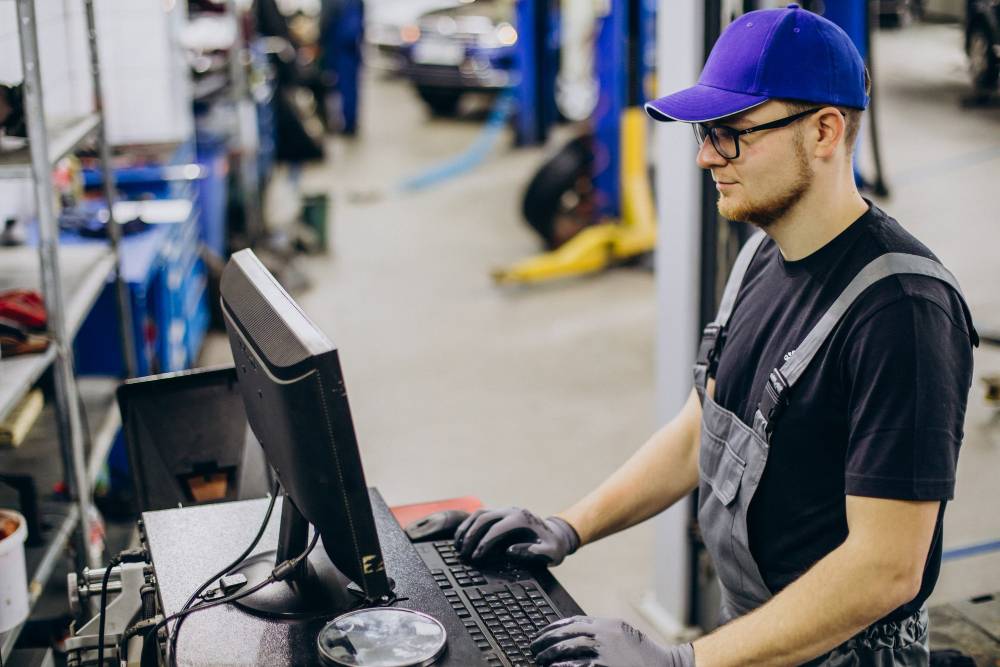
Computerized Maintenance Management Systems (CMMS) have become essential tools for managing preventative maintenance programs. These platforms streamline scheduling, track maintenance history, and generate reports for better decision-making. Businesses can set reminders for inspections, monitor parts inventory, and maintain digital records that make compliance audits easier.
By centralizing maintenance information, CMMS reduces the likelihood of overlooked tasks, improves accountability, and enhances efficiency. In turn, this creates a more structured and professional maintenance culture that supports long-term organizational goals.
Conclusion
Preventive maintenance is a strategic investment that pays dividends across financial, operational, and safety dimensions. By addressing issues before they escalate, businesses reduce repair costs, extend equipment life, and maintain consistent productivity. More importantly, they create safer workplaces, ensure compliance with regulations, and build operational resilience against unexpected disruptions.
With the integration of modern technology, preventative maintenance has evolved into a highly efficient, data-driven practice. Organizations that adopt it gain not only cost savings but also a competitive advantage in delivering reliable services and products. In an increasingly fast-paced economy, prioritizing preventative maintenance is no longer optional but essential for long-term success.