
Sustainability is no longer just a branding initiative. For commercial buildings, it has become a practical strategy that affects employee health, operating costs, and regulatory compliance. One of the most impactful yet achievable sustainability initiatives is green cleaning for commercial buildings.
Green cleaning goes beyond using environmentally friendly products. It is a structured approach to janitorial services that prioritizes indoor air quality, reduced chemical exposure, and long-term facility performance—without sacrificing cleanliness or professionalism.
What Green Cleaning Means in Commercial Environments
Green cleaning in a commercial setting refers to cleaning practices that reduce environmental and health impacts while maintaining high sanitation standards. This includes the use of low-toxicity cleaning products, efficient equipment, proper dilution controls, and procedures designed to minimize waste and airborne contaminants.
Unlike traditional cleaning, which often relies on harsh chemicals, green cleaning focuses on prevention, consistency, and safer alternatives. This is especially important in offices, healthcare facilities, schools, and multi-tenant buildings where indoor air quality directly affects large populations.
Why Businesses Are Adopting Green Cleaning Practices
The shift toward green cleaning is driven by more than environmental responsibility. Businesses are increasingly recognizing the operational benefits.
Traditional cleaning chemicals can contribute to respiratory issues, allergic reactions, and lingering odors. Over time, these factors affect employee comfort and productivity. Green cleaning reduces these risks, creating healthier indoor environments.
Additionally, many organizations now have corporate sustainability goals. Green cleaning supports these initiatives while also helping properties meet tenant expectations and industry standards.
Impact on Indoor Air Quality and Employee Health
Indoor air quality is one of the most overlooked factors in workplace wellness. Many conventional cleaning products release volatile organic compounds (VOCs) that remain in the air long after cleaning is complete.
Green cleaning products are designed to minimize or eliminate VOC emissions. Combined with proper ventilation and microfiber-based cleaning methods, this significantly improves air quality.
Healthier indoor environments often result in fewer employee complaints, reduced absenteeism, and improved overall satisfaction—benefits that directly affect business performance.
Cost Considerations: Is Green Cleaning More Expensive?
A common misconception is that green cleaning costs more. While some eco-friendly products carry slightly higher upfront costs, the overall impact on janitorial budgets is often neutral or even favorable.
Green cleaning programs emphasize correct product usage, dilution control, and preventive maintenance. This reduces waste and overuse. Equipment such as high-efficiency vacuums and microfiber systems also extend the life of flooring and surfaces, lowering long-term replacement costs.
In many cases, the total cost of ownership for green cleaning is comparable to traditional methods, with added health and sustainability benefits.
Green Cleaning and LEED or Sustainability Certifications
For buildings pursuing LEED certification or other sustainability benchmarks, green cleaning is a critical component. Many certification programs require documented use of environmentally preferable products, training protocols, and performance tracking.
Even for buildings not pursuing formal certification, adopting green cleaning practices positions properties competitively. Tenants increasingly value sustainability, especially in Class A offices and mixed-use developments.
Best Practices for Implementing Green Cleaning
Successful green cleaning programs are intentional. Simply switching products is not enough. Training, oversight, and consistency matter.
Effective programs focus on selecting certified products, using color-coded microfiber systems to prevent cross-contamination, and scheduling cleaning tasks to reduce chemical exposure during occupied hours. Ongoing evaluation ensures that standards are maintained without sacrificing cleanliness.
Green Cleaning in High-Traffic Commercial Spaces
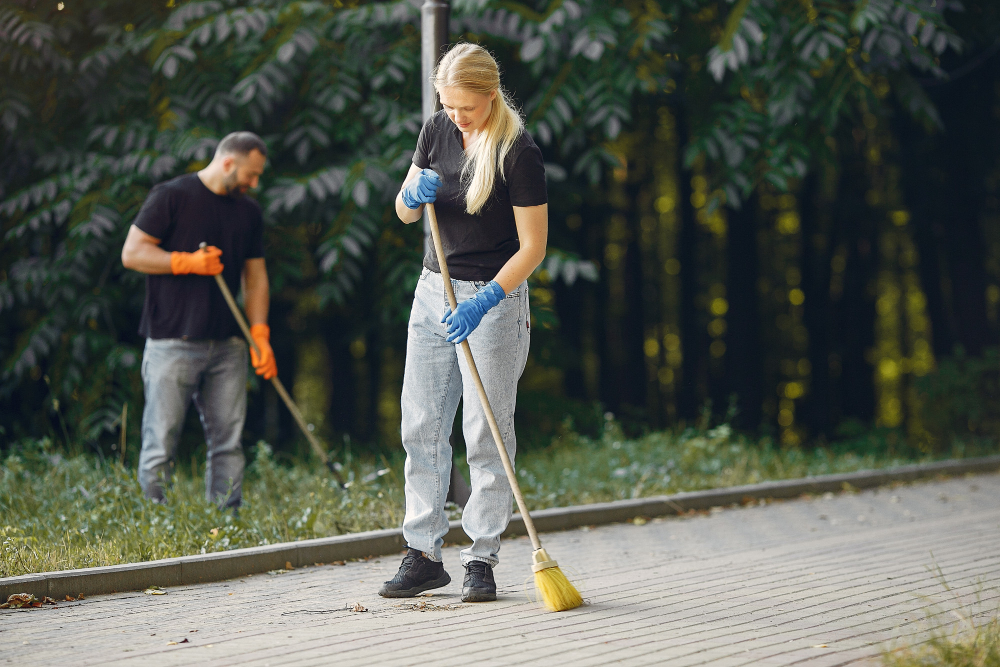
High-traffic environments such as office buildings, retail centers, and educational facilities require special consideration. Green cleaning practices are particularly effective in these settings because they reduce residue buildup and improve surface durability.
Consistent maintenance prevents heavy soil accumulation, which reduces the need for aggressive cleaning methods later. This supports both sustainability goals and appearance standards.
Choosing the Right Green Cleaning Provider
Not all janitorial companies offering “green cleaning” follow the same standards. Property managers should look for providers that can explain their processes clearly and demonstrate compliance with recognized guidelines.
A credible provider should offer transparency around products used, staff training, and quality control. Green cleaning is most effective when it is integrated into a broader facility services strategy rather than treated as a standalone feature.
Final Thoughts
Green cleaning is no longer a niche service. It is a practical, forward-thinking approach to commercial facility maintenance that supports health, sustainability, and long-term cost control.
For commercial buildings focused on performance and tenant satisfaction, green cleaning is not just an option—it is becoming the standard.