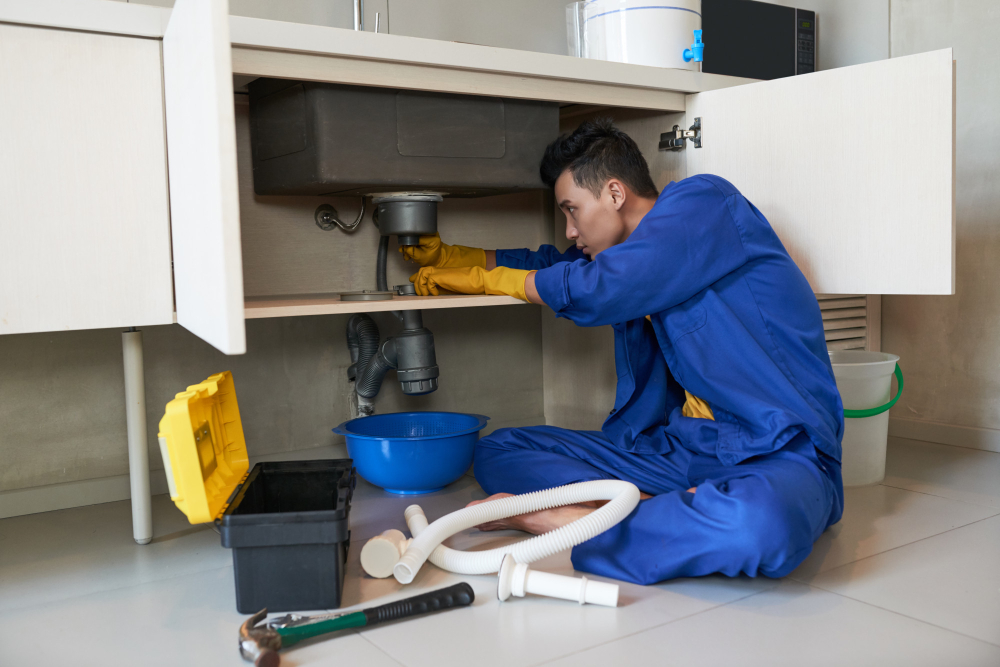
Water damage is one of the most disruptive emergencies a commercial property can face. A burst pipe, roof leak, sprinkler malfunction, or flooding event can shut down operations, damage assets, and create long-term health risks if not handled correctly. The most critical window is the first 24 hours. Decisions made during this period often determine whether damage is contained or escalates into mold growth, structural deterioration, and extended downtime.
This guide explains how commercial facility managers should respond to water damage emergencies, what actions matter most in the first day, and how professional mitigation reduces business risk.
Why the First 24 Hours After Water Damage Are Critical
Water begins causing irreversible damage far faster than many people realize. Within minutes, water spreads beyond the visible area, soaking into flooring, walls, insulation, and subflooring. Within hours, materials begin to swell, weaken, and break down. If moisture remains for more than 24–48 hours, mold growth becomes a serious concern, especially in enclosed commercial spaces.
For businesses, the impact extends beyond physical damage. Downtime, employee displacement, inventory loss, and potential liability issues can quickly compound costs. Fast, organized action is essential not only for restoration, but also for insurance documentation and regulatory compliance.
Immediate Safety and Damage Control Steps
Before focusing on cleanup, safety must come first. Standing water can conceal electrical hazards, structural weaknesses, and contaminants. In commercial environments, this risk is amplified by larger spaces, equipment, and foot traffic.
If safe to do so, the first priority is stopping the source of water. Shutting off the main water supply, isolating affected zones, and disconnecting electricity in wet areas can prevent further damage and reduce risk to occupants. In cases involving flooding or contaminated water, restricting access to affected areas is critical.
At this stage, documentation is also important. Taking photos and notes early helps support insurance claims and provides a clear timeline of events.
Understanding Water Categories in Commercial Settings
Not all water damage is the same, and response strategies depend heavily on the type of water involved.
Clean water typically comes from sources like broken supply lines or overflowing sinks. While initially less hazardous, it can quickly become contaminated if not addressed promptly.
Gray water includes discharge from appliances or systems that may contain chemicals or biological contaminants. This type of water requires more controlled handling and cleaning procedures.
Black water is the most dangerous. It includes sewage backups, floodwater, or water containing hazardous materials. Black water incidents require specialized mitigation protocols, protective equipment, and strict disposal standards to protect health and comply with regulations.
Correctly identifying the category of water is essential for choosing the right mitigation approach and avoiding unsafe shortcuts.
Water Extraction and Moisture Control
Removing visible water is only the beginning. Professional water extraction uses industrial-grade pumps and vacuums to remove standing water efficiently, especially in large commercial spaces where volume is significant.
However, moisture often remains trapped beneath surfaces. Carpet, padding, drywall, and subflooring can retain water long after floors appear dry. This hidden moisture is what leads to mold growth and material failure.
Effective mitigation includes controlled drying using air movers, dehumidifiers, and moisture monitoring. The goal is not speed alone, but precision. Over-drying or uneven drying can cause warping, cracking, and secondary damage.
Preventing Mold and Indoor Air Quality Issues
Mold can begin developing within 24 to 48 hours under the right conditions. In commercial buildings, mold poses health risks to employees and visitors and can create serious liability concerns.
Professional mitigation focuses on maintaining proper humidity levels, removing contaminated materials when necessary, and preventing cross-contamination to unaffected areas. This is particularly important in healthcare, education, and multi-tenant properties where air quality standards are higher.
Ignoring early mold prevention measures often turns a manageable water incident into a long-term remediation project.
Business Continuity During Water Damage Restoration
One of the biggest challenges for commercial properties is minimizing operational disruption. While some water damage incidents require full shutdowns, many can be managed with phased restoration and strategic containment.
Experienced mitigation teams coordinate closely with facility managers to isolate affected zones, schedule work during off-hours when possible, and prioritize areas critical to operations. Clear communication with employees and tenants helps maintain trust and reduce confusion during the recovery process.
Planning for business continuity should be part of the emergency response, not an afterthought.
Insurance Documentation and Compliance Considerations
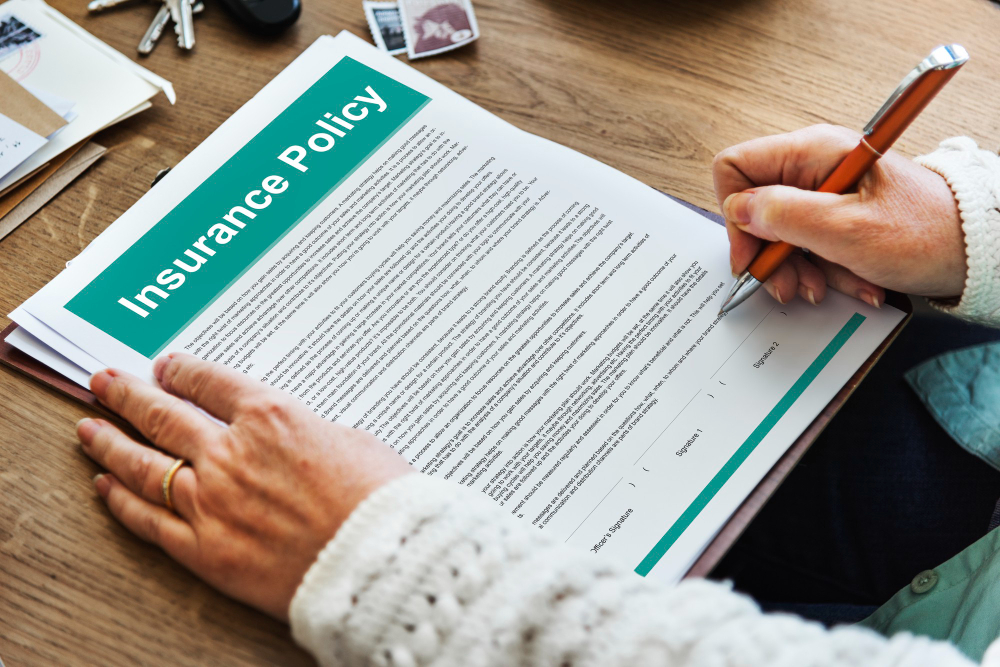
Insurance claims often depend on how quickly and professionally the response is handled. Delays, incomplete documentation, or improper cleanup can result in denied or reduced claims.
A proper emergency response includes detailed records of damage, mitigation steps taken, equipment used, and moisture readings. For regulated industries, compliance with health and safety standards is equally important. Failure to follow proper protocols can create regulatory exposure beyond the immediate damage.
When to Call Professional Water Damage Mitigation Services
While minor spills may be handled internally, most commercial water damage incidents require professional intervention. Large square footage, complex building systems, and the need for rapid drying make professional mitigation the safer and more cost-effective choice.
Professionals bring specialized equipment, trained technicians, and established processes that reduce restoration time and prevent secondary damage. Early involvement almost always lowers total recovery costs.
Long-Term Impacts of Improper Water Damage Response
Poor response decisions often lead to:
- Persistent odors and mold issues
- Premature flooring and wall replacement
- Structural weakening
- Ongoing health complaints
- Repeated insurance claims
These outcomes can affect property value, tenant retention, and brand reputation long after the initial incident.
Final Thoughts
Water damage emergencies are stressful, but they do not have to become disasters. The first 24 hours are decisive. Fast action, proper assessment, and professional mitigation protect not only the building, but the people and businesses inside it.
For commercial facilities, a disciplined emergency response plan is one of the most valuable risk-management tools available.