In a professional office environment, appearance matters more than many realize. The walls of a workspace are among the first things clients, partners, and potential employees notice. Clean, unblemished walls reflect attention to detail and pride in the workplace, while damaged or discolored drywall can send the opposite message. That is why maintaining and repairing drywall is not just about aesthetics, but about preserving a professional image that matches your business values.
Drywall acts as the canvas for your office’s interior. It compromises the entire atmosphere when cracked, dented, or stained. Whether you manage a law firm, a tech startup, or a consulting agency, the condition of your office walls plays a role in how others perceive your brand. Taking drywall repair seriously shows that you care about presentation, safety, and staff satisfaction.
A professional office look starts with the basics, and drywall is foundational. If you want to create an environment that builds trust, promotes focus, and makes a strong impression, it is time to pay attention to those walls.
Understanding Drywall and Its Common Issues
Drywall, also known as plasterboard or gypsum board, is a standard material used for interior walls in commercial buildings. It is relatively lightweight, easy to install, and provides a smooth surface that is perfect for paint or wallpaper. Because of its affordability and adaptability, it is the go-to choice for most office interiors.
However, despite its practicality, drywall is not immune to wear and tear. Offices often see a lot of foot traffic and regular activity, which increases the likelihood of scuffs, dents, and holes from moving furniture or everyday bumps. Wall-mounted equipment like whiteboards, shelving units, or televisions can also cause cracks or stress points over time.
Water damage is another major culprit. Whether it is from roof leaks, plumbing issues, or HVAC mishaps, moisture can lead to bubbling, soft spots, and mold behind the walls. If these problems are not addressed early, they can escalate quickly and compromise the structural integrity of the drywall.
The Visual Impact of Damaged Drywall
Imagine walking into an office for the first time and seeing walls with chipped paint, large cracks, or holes patched with mismatched materials. It is hard to ignore, and even harder to take the company seriously. Your office speaks volumes before you say a single word.
Drywall damage distracts from the professional image most businesses aim to present. Clients may question how much care goes into the service or product being offered if the environment looks neglected. First impressions are formed in seconds, and unsightly walls can damage credibility instantly.
For employees, the condition of the office affects morale and productivity. Working in a clean and well-maintained space promotes pride and focus. On the other hand, a deteriorating work environment can contribute to disengagement and a lack of motivation. Small visual details make a big difference in how people feel at work.
The Role of Drywall in Brand Perception
Your brand is more than just a logo or a color scheme. It is the way your company presents itself, including its physical space. When clients visit your office, the condition of the drywall helps shape their perception of your brand’s reliability and standards.
Imagine a medical office with visible cracks or an upscale agency with dingy walls. It creates a disconnect between the message the company wants to send and the one being received. Clean, smooth walls reinforce the idea that your business is organized, detail-oriented, and forward-thinking.
Drywall repair is an overlooked part of brand maintenance. It supports consistency across every customer touchpoint, from your website to your waiting room. In short, professional drywall is part of a professional image.
Identifying When Drywall Repair Is Needed
Not all drywall issues are obvious at first glance. Some signs, like subtle cracks near windows or doors, may seem minor but can indicate deeper structural shifts or settling. Others, such as bubbling paint, discoloration, or sagging sections, often point to hidden moisture problems that need immediate attention.
Look for nail pops, which appear as small circular bumps or indentations where drywall screws have loosened. Even small holes left from picture frames or office equipment can grow over time if left untreated. In shared workspaces or high-traffic areas, scuff marks and dents are common and can accumulate quickly.
Regular walkthroughs and visual inspections are essential for catching these issues early. Facility managers should document damage as soon as it is noticed and create a repair schedule. Early intervention prevents further deterioration and ensures the office continues to reflect a polished, professional image.
Drywall Repair Versus Replacement
One of the most common questions facility managers ask is whether a damaged section of drywall should be repaired or replaced. The answer depends on the extent and type of damage. Minor issues such as small holes, surface cracks, or light abrasions can usually be repaired quickly with patching and refinishing.
However, if a large area is affected by water damage, mold, or structural warping, replacement may be the more practical and safer option. Damaged drywall that has lost its integrity could be hiding deeper issues, like compromised insulation or corroded framing.
Repair is usually faster and less expensive, but only when done properly. A good rule of thumb is to replace drywall if more than thirty percent of a single wall section is damaged. Otherwise, patching, sanding, and repainting should suffice and provide a seamless look without the disruption of full replacement.
Steps to Professional Drywall Repair
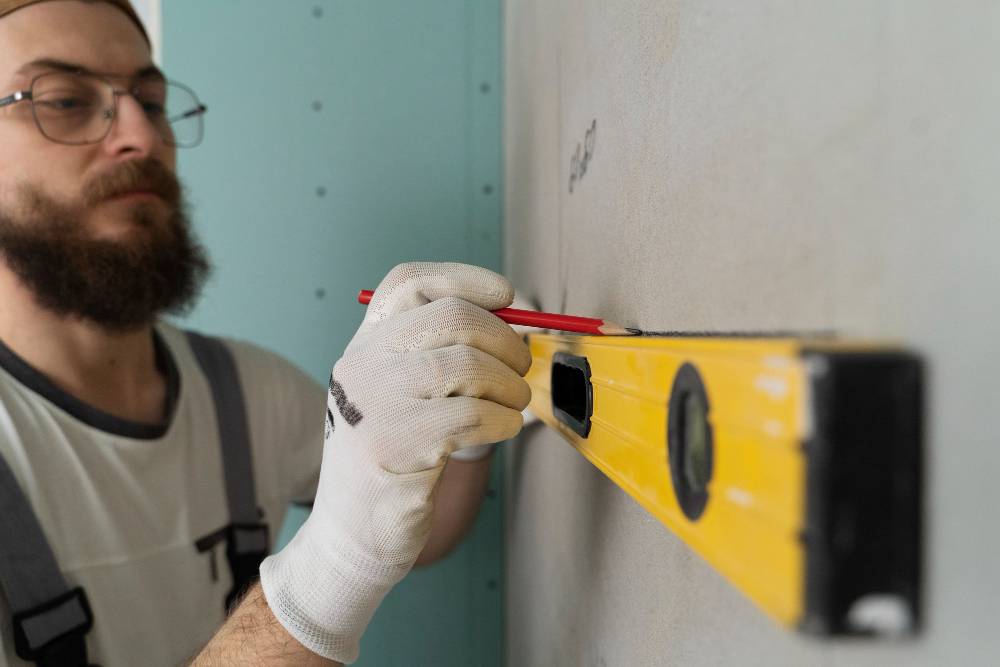
Drywall repair is more than just slapping on some joint compound. It starts with a thorough inspection to determine the cause and extent of the damage. Technicians remove any compromised material and ensure the underlying surface is clean and dry before proceeding.
Next, holes or dents are filled with appropriate compounds, depending on the size of the area. Small holes can be treated with spackle, while larger ones may require mesh tape or even drywall cutouts. After filling, the surface is carefully sanded to create a smooth, flush finish.
Priming the repaired area is crucial for paint adherence and color uniformity. Once primed, professionals apply matching paint or texture to blend the repair with the rest of the wall. The goal is to make the patch completely invisible and ensure the surface looks as good as new.
Matching Texture and Paint for Seamless Results
One of the biggest challenges in drywall repair is making the fixed area indistinguishable from the original wall. This requires not only paint matching but also replicating the existing texture. Commercial interiors often feature orange peel, knockdown, or smooth finishes, each requiring specific tools and techniques.
Professionals use spray guns, trowels, or texture pads to duplicate the wall’s original look. In some cases, custom blending is needed to achieve the right consistency and appearance. After texturing, choosing the exact paint color and sheen ensures the patch does not stand out.
This attention to detail is what separates quality drywall repair from amateur work. When the repair blends in completely, it maintains the office’s clean and cohesive appearance. This seamless result reflects professionalism and care, both of which matter in client-facing environments.
The Importance of Hiring Skilled Technicians
While some minor wall repairs may seem like easy DIY projects, achieving a professional-grade finish is a different story. Skilled technicians bring experience, tools, and techniques that ensure durable and flawless results. They understand how to handle various materials and know how to prevent common issues like bubbling, peeling, or cracking after repair.
In commercial settings, speed and discretion also matter. Professionals can often complete repairs outside regular office hours or within tight schedules, minimizing downtime. They follow safety protocols, keep the workspace clean, and leave no mess behind.
Moreover, hiring licensed and insured contractors provides peace of mind. Reputable companies offer warranties and guarantees, ensuring that the work stands up to daily use. Ultimately, investing in professional services means your office maintains a polished look with minimal risk.
DIY Pitfalls to Avoid with Drywall Repair
While the temptation to handle drywall repairs in-house is understandable, doing so without proper tools or experience can lead to more harm than good. Many DIYers underestimate the skill it takes to blend texture and paint seamlessly, resulting in visible patches that can make walls look worse than before.
One common mistake is skipping the sanding process or not applying joint compound evenly. This leads to raised areas or visible seams. Others may neglect priming the repaired area before painting, causing color inconsistencies that highlight the patch rather than concealing it.
Another frequent error is using the wrong materials. For example, using spackle instead of joint compound for larger holes can lead to cracking over time. Misjudging the depth of the damage or failing to address underlying moisture issues can also result in recurring problems.
In a professional office setting, these imperfections are more than just cosmetic. They reflect poorly on the company’s attention to detail and maintenance standards. That’s why it’s best to leave drywall repairs to experts who can deliver consistent, high-quality results.
Integrating Drywall Repairs into Office Renovations
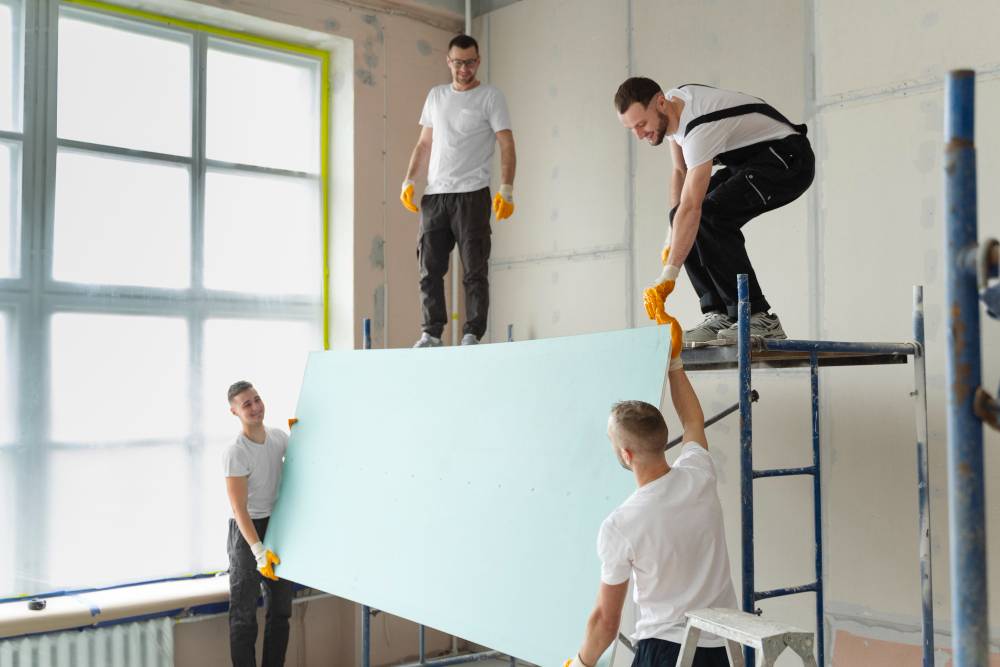
If you’re already planning an office renovation, it’s the perfect time to evaluate and repair your drywall. Renovations often involve moving furniture, changing layouts, or updating electrical fixtures, all of which can expose previously hidden damage.
Incorporating drywall repair into your renovation plan ensures that the entire space receives a fresh, cohesive update. It’s much easier to perform these repairs when the area is already cleared and undergoing changes. This minimizes disruptions and avoids the need for repeated cleanup.
Additionally, renovations offer an opportunity to improve acoustics and insulation by upgrading drywall. Using sound-dampening or fire-resistant panels during the repair process can enhance the functionality and safety of your workspace.
Working with a contractor who offers both renovation and drywall services streamlines the process. They can coordinate repairs with paint, lighting, and layout changes, helping you achieve a polished and professional finish throughout the office.
Drywall Repair and Office Safety Considerations
Drywall issues can present more than just visual concerns. They can also create safety hazards in the workplace. Cracked or crumbling walls may shed dust, which is not only unsightly but can affect air quality and trigger allergies or respiratory discomfort among employees.
Loose or hanging sections of drywall, particularly around ceilings or corners, can pose a physical risk. In extreme cases, they may fall or interfere with fixtures and wiring. Water-damaged drywall is even more hazardous, as it can harbor mold and compromise the structural integrity of walls.
Professional drywall repair addresses these safety risks effectively. Technicians are trained to identify and remove compromised materials safely. They also ensure that repairs comply with building codes and safety regulations, keeping your office space compliant and secure.
Prioritizing safety not only protects your team but also reduces liability. A well-maintained office fosters a positive work environment and demonstrates that the company values both appearance and the well-being of its employees.
Conclusion
Maintaining pristine walls is about more than aesthetics. It’s about preserving a professional image, ensuring employee safety, and protecting the longevity of your commercial space. Timely and proper drywall repair plays a big role in achieving all these goals.
Whether you’re dealing with small dents, large holes, or water damage, addressing the issue quickly helps prevent it from getting worse. When done by skilled professionals, repairs are invisible and contribute to a clean, modern look that reflects well on your business.
From improving acoustics to boosting morale and reducing distractions, flawless drywall creates a polished foundation for productivity. And when integrated into larger office updates or ongoing maintenance plans, it supports your company’s overall reputation and operational success.