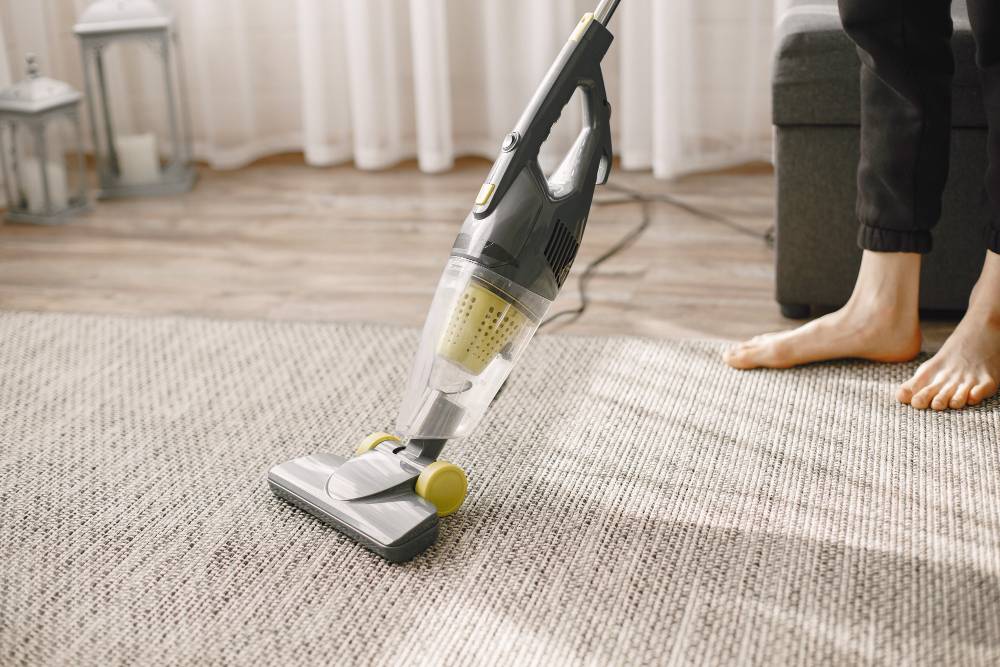
Carpet reconditioning is more than just a deep clean. It’s an entire restoration process that revives your office carpet to like-new condition. Think of it as a spa day for your floors. Over time, dirt, spills, and wear dull your carpet’s look and performance.
Reconditioning brings back freshness, elasticity, and vibrant texture, making your workspace not only cleaner but also healthier.
It typically includes multiple steps: deep cleaning, sanitizing, deodorizing, and in some cases, applying treatments that protect against future wear and staining. It’s the difference between a quick surface tidy-up and a full transformation.
Difference Between Cleaning and Reconditioning
Cleaning is about removing surface-level dirt, dust, and minor stains. Reconditioning, on the other hand, goes deep. It targets embedded grime, odor-causing bacteria, and stubborn discoloration. Imagine mopping versus refinishing a floor both have value, but one restores more thoroughly.
While routine cleaning is necessary for maintenance, periodic reconditioning resets your carpets’ health, prolongs their life, and drastically boosts your office hygiene standards.
Why Office Carpets Require Special Attention?
High-Foot Traffic Zones
Office carpets endure thousands of steps each day; staff, clients, deliveries; you name it. High-traffic areas like entryways, hallways, and breakrooms wear out faster, becoming hotspots for dirt and bacteria. These zones demand more frequent attention because the constant friction grinds in debris and makes simple cleaning less effective over time.
Ignoring these areas can make the entire office feel grimy, even if other sections are spotless. Carpet reconditioning focuses on revitalizing these pressure points to ensure your whole office stays consistently fresh.
Hidden Dirt and Allergens
Even when your carpet looks clean, it might be hiding a not-so-pretty truth underneath. Dust mites, pollen, food particles, and dead skin cells can settle deep within carpet fibers. Standard vacuums don’t always reach these layers, especially in dense or high-pile carpets.
Over time, this buildup can lead to poor indoor air quality and aggravate allergies or asthma symptoms among employees. Reconditioning lifts out these pollutants and leaves behind a truly clean and safe surface.
Health Impacts of Dirty Carpets
Germ Accumulation and Bacteria Growth
Carpets can act like giant sponges, absorbing everything from dirt and moisture to germs and pathogens. If left untreated, these contaminants multiply and become a breeding ground for harmful bacteria. Think of every coffee spill or rainy day footprint as a little biohazard waiting to spread.
A proper reconditioning process includes antimicrobial treatments that kill bacteria at the source. This significantly reduces the risk of cross-contamination and illness in the workplace.
Triggering Allergies and Respiratory Issues
For employees with sensitivities, dirty carpets are more than just an eyesore, they’re a health hazard. Mold spores, dust mites, and pet dander (from staff or visitors) can trigger sneezing, coughing, and more serious respiratory flare-ups.
By lifting and extracting these allergens, carpet reconditioning turns your flooring from a health risk into a health asset. It’s like turning off an invisible allergy machine hidden beneath your feet.
Benefits of Carpet Reconditioning
Improved Indoor Air Quality
You might not see it, but your office carpet plays a big role in the air everyone breathes. Over time, allergens, dust, and pollutants build up in the carpet fibers and get released into the air with every footstep. This can make the indoor air stuffy and irritate allergies or breathing issues.
Reconditioning deeply cleans these fibers, removing the harmful particles that regular vacuuming leaves behind. The result? Cleaner air, happier lungs, and fewer sniffles in the office. It’s an invisible benefit with a huge impact.
Enhanced Appearance and Longevity
First impressions matter especially in business. A dingy, stained carpet gives off an unprofessional vibe that might turn clients away before you even say hello. On the other hand, a bright, fresh-looking carpet can create a welcoming and polished atmosphere.
Reconditioning doesn’t just clean. It restores the original color, texture, and structure of your carpet, making it look nearly new. Plus, by keeping the fibers strong and intact, it helps your carpet last years longer, saving money in the long run.
Reduced Sick Days and Health Complaints
Dirty carpets can harbor bacteria, mold, and allergens that lead to colds, coughs, and other health problems. Over time, these germs spread through shared spaces, contributing to employee illness and absenteeism.
A routine reconditioning schedule helps eliminate those hidden health threats. Employees breathe cleaner air, experience fewer allergy symptoms, and stay healthier overall.
Carpet Reconditioning vs. Replacement
Cost-Effectiveness of Reconditioning
Replacing office carpets can be an expensive, disruptive process. Between tearing up the old material, buying new rolls, and installing them, you’re looking at thousands of dollars and several days of downtime. Reconditioning offers a budget-friendly alternative.
For a fraction of the cost, you can bring your carpet back to life and delay the need for replacement. It’s the smart middle ground that balances appearance, hygiene, and savings without putting your workspace on pause.
Environmental Benefits of Restoration
Tearing out old carpets contributes significantly to landfill waste. Synthetic fibers, in particular, don’t break down easily. Carpet reconditioning reduces your environmental footprint by extending the life of your existing flooring.
It also often involves eco-friendly cleaning solutions and water-efficient equipment. So you’re not just saving money, you’re helping the planet, too.
Step-by-Step Process of Carpet Reconditioning
Initial Inspection and Assessment
It all starts with a professional inspection. Experts examine the carpet’s condition, identifying areas with the most wear, embedded stains, odors, and potential mold growth. They’ll also determine the type of carpet fibers and backing to select the safest and most effective cleaning methods.
This step ensures a personalized treatment plan that avoids damage and delivers the best results possible.
Deep Cleaning and Stain Treatment
Next comes the heavy lifting literally. Specialized machines and extraction tools lift deep-seated grime from the base of the carpet fibers. Targeted stain treatments are applied to remove everything from coffee spills to ink blotches.
Depending on the material, steam cleaning or low-moisture techniques may be used to break down stubborn contaminants without overwetting the carpet.
Odor Neutralization and Drying
Nobody wants a musty-smelling office. Reconditioning includes odor removal treatments that eliminate the source of smells instead of just masking them. Pet accidents, mildew, and even food odors are neutralized with safe, effective deodorizers.
Finally, the carpet is dried using industrial fans or heat-assisted drying systems. This prevents mold formation and ensures the floor is safe to walk on quickly.
Frequency and Scheduling Tips
How Often Should Offices Recondition Carpets?
The frequency depends on your office’s foot traffic, carpet type, and location. On average, offices should aim to recondition carpets every 6 to 12 months. High-traffic areas like entryways and hallways may need attention more often every 3 to 6 months.
If your office has pets, food areas, or is in a dusty region, more frequent reconditioning may be necessary to maintain hygiene standards.
Best Times for Minimal Disruption
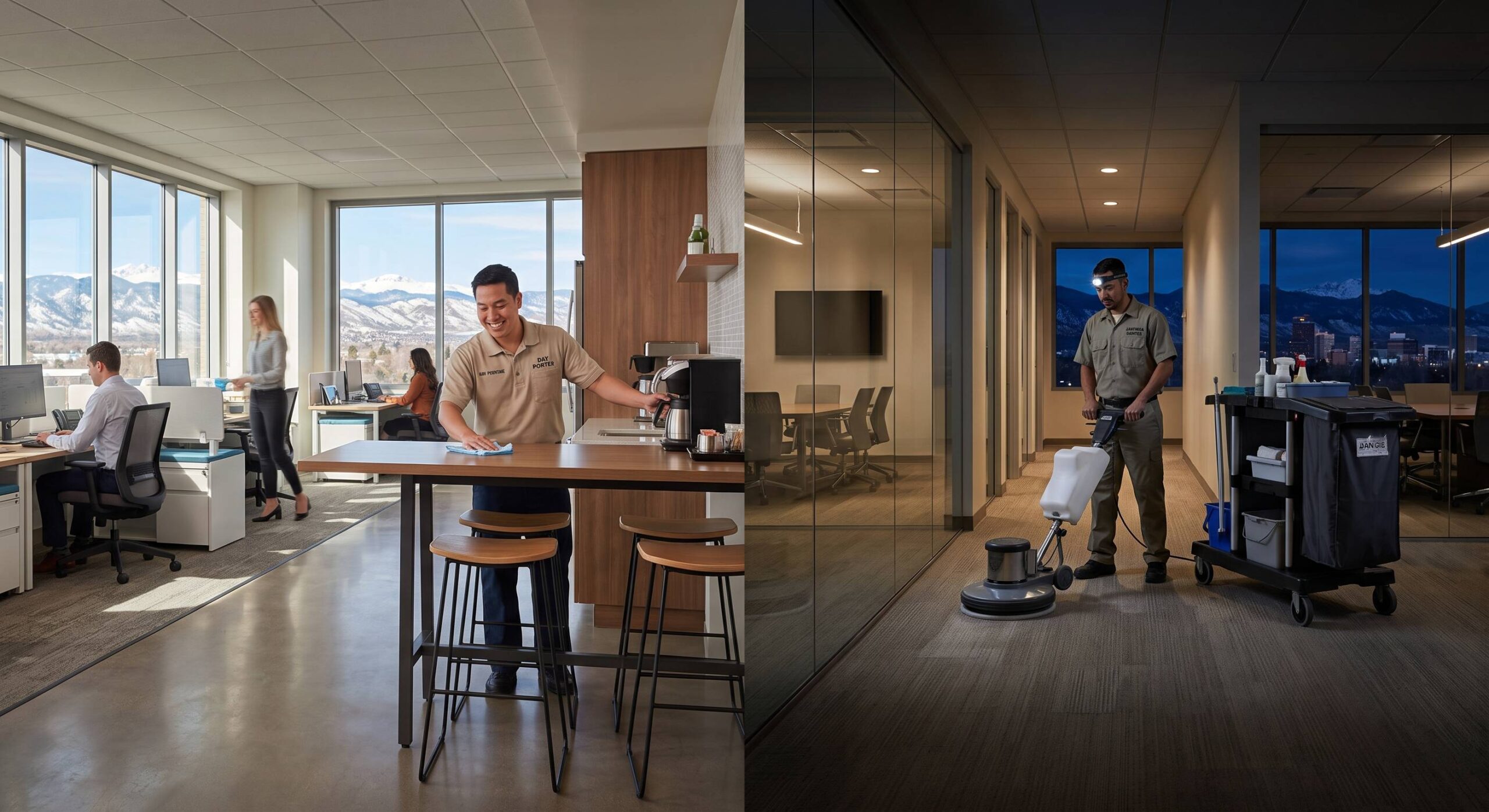
Scheduling is key. Try to book reconditioning services after hours, on weekends, or during employee holidays. This ensures the process doesn’t interfere with day-to-day operations and gives the carpet time to dry before staff returns fully.
Working with a flexible service provider can make all the difference. They’ll help you plan around meetings, events, or seasonal office shifts.
Choosing the Right Service Provider
Certifications and Experience
Not all carpet cleaners are created equal. When choosing a provider, look for industry certifications like IICRC (Institute of Inspection Cleaning and Restoration Certification). This ensures they follow best practices and use safe, effective methods.
Experience also matters. Seasoned pros know how to handle delicate materials, tough stains, and large spaces efficiently without damaging your floors.
Use of Eco-Friendly Products
Using eco-friendly products is a big plus nowadays. Ask your service provider about biodegradable cleaners, non-toxic solutions, and energy-efficient machines. These options are safer for your staff, better for the environment, and often just as powerful as chemical-heavy alternatives.
Enhancing Workplace Hygiene Holistically
Carpet Reconditioning as Part of a Larger Cleaning Strategy
Carpet reconditioning shouldn’t stand alone. It should be one part of a larger hygiene game plan. Offices with an integrated cleaning schedule that includes window washing, upholstery cleaning, air duct servicing, and sanitization of high-touch surfaces see a massive difference in overall cleanliness and air quality.
Think of it like this: your carpet is a sponge for everything happening above it. Dust from desks, crumbs from lunch, and germs from shoes all find their way into the fibers. So when you recondition your carpets while also maintaining everything around them, you’re multiplying the hygiene benefits across the board.
Pairing Carpet Services with Janitorial Solutions
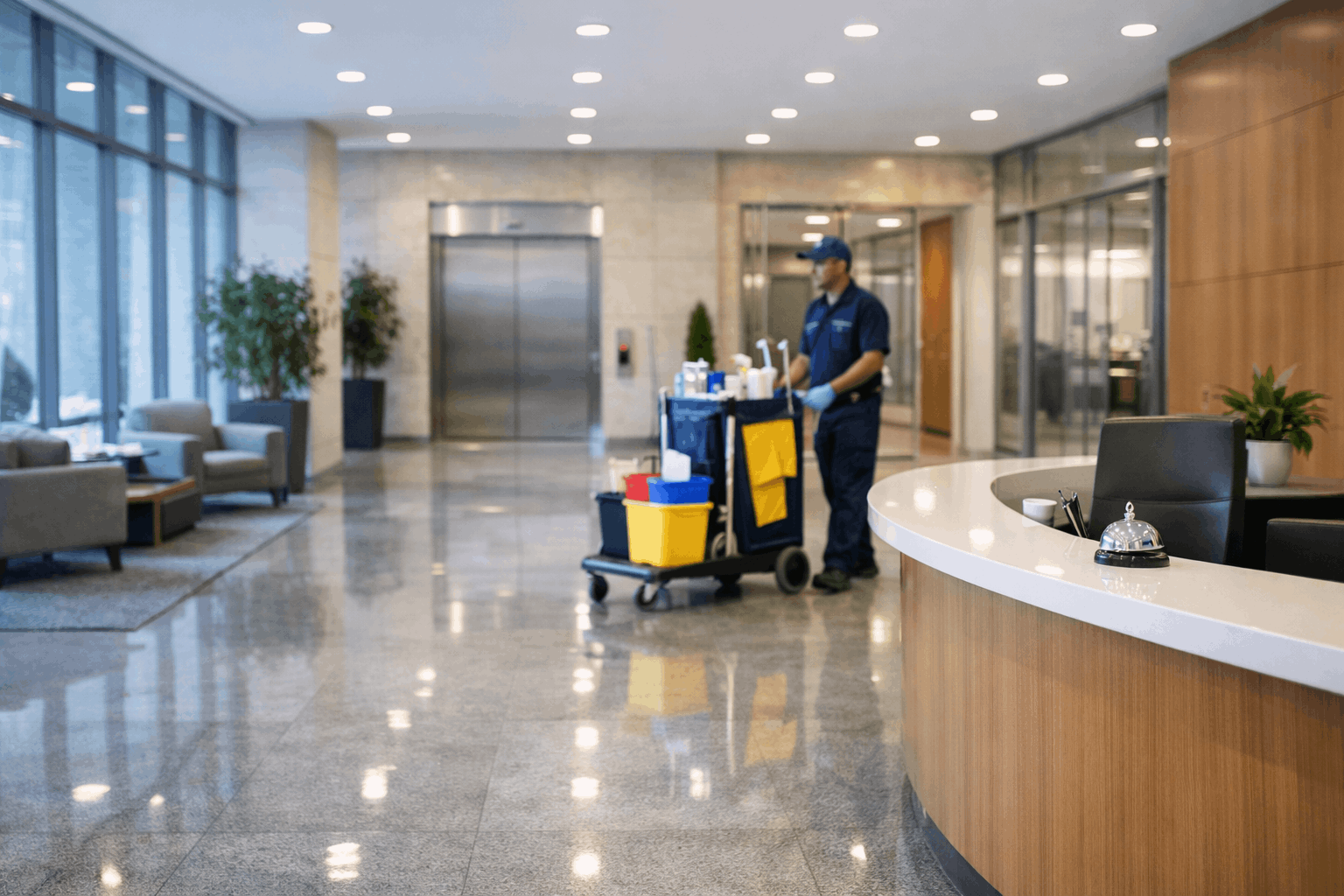
A good janitorial team does more than empty bins and wipe-down desks. They’re your first line of defense against workplace germs. When your janitorial service is aligned with carpet reconditioning efforts, the results are even more powerful.
By working together, these services keep your carpets from becoming a problem area between deep cleans. Janitors can spot spills early, treat high-traffic areas more often, and maintain appearance so the carpet doesn’t degrade between full reconditioning.
Boosting Overall Health Standards in Offices
Cleaner carpets mean less dust, fewer allergens, and a lower risk of mold and that translates to healthier employees. It’s not just about avoiding sick days; it’s about maintaining a workspace that supports wellbeing.
When combined with frequent disinfection, air purification, and wellness-focused office policies (like no-shoes zones or hand-sanitizing stations), reconditioning becomes a powerful piece of your health and safety puzzle.
Employee Perception and Morale
A Cleaner Workspace Is a Happier Workspace
Let’s face it: nobody likes walking across dirty, stained carpet at work. It sends a subtle message that management doesn’t care about cleanliness or employee comfort. Clean, fresh-smelling carpets, on the other hand, make a space feel cared for, safe, and even more inviting.
Your team notices these things. A well-kept environment boosts morale, shows pride in the workplace, and encourages employees to treat the space with respect in return.
Visual and Sensory Cues of Cleanliness
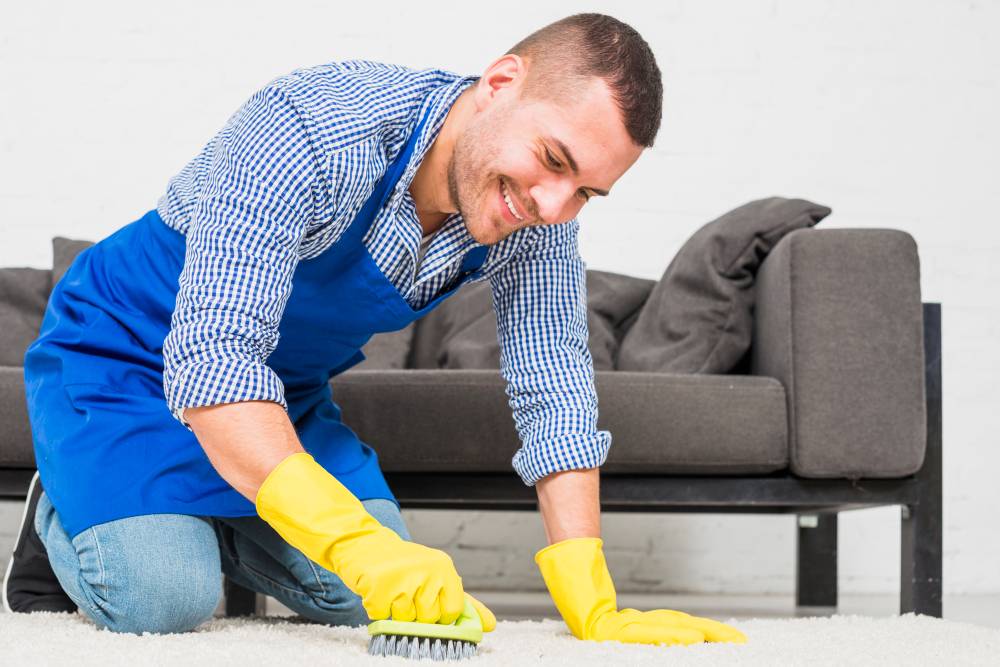
We often associate “clean” with what we can see and smell. A carpet that looks freshly vacuumed feels soft underfoot, and doesn’t carry odors contributes to a sense of hygiene. It’s like putting on a freshly laundered shirt, you just feel better.
This matters for employee wellbeing and visitor impressions. Clients, customers, and partners notice too. Fresh carpets can subtly elevate the entire vibe of your office space.
Psychological Impact on Productivity
Believe it or not, clean spaces affect brain function. Clutter and grime create distractions and stress, even subconsciously. A clean carpet contributes to a cleaner workspace overall, which helps employees stay focused and relaxed.
So, while it may seem minor, carpet reconditioning can help your team concentrate better, feel less stressed, and work more efficiently. Clean space, clear mind.
Conclusion
Reconditioning your office carpets isn’t just about aesthetics. It’s a major move toward creating a healthier, more productive, and more welcoming work environment. From improving indoor air quality to boosting employee morale, the benefits stretch far beyond the surface.
It’s also a savvy business decision. Rather than sinking money into constant replacements, reconditioning lets you extend the life of your investment while keeping your office in top shape. Plus, when paired with janitorial services and overall hygiene strategies, it contributes to a safer, happier workplace for everyone.
So, if your carpets are looking a little worse for wear or your team’s been sneezing more than usual. It might be time to give them the deep, restorative care they deserve.