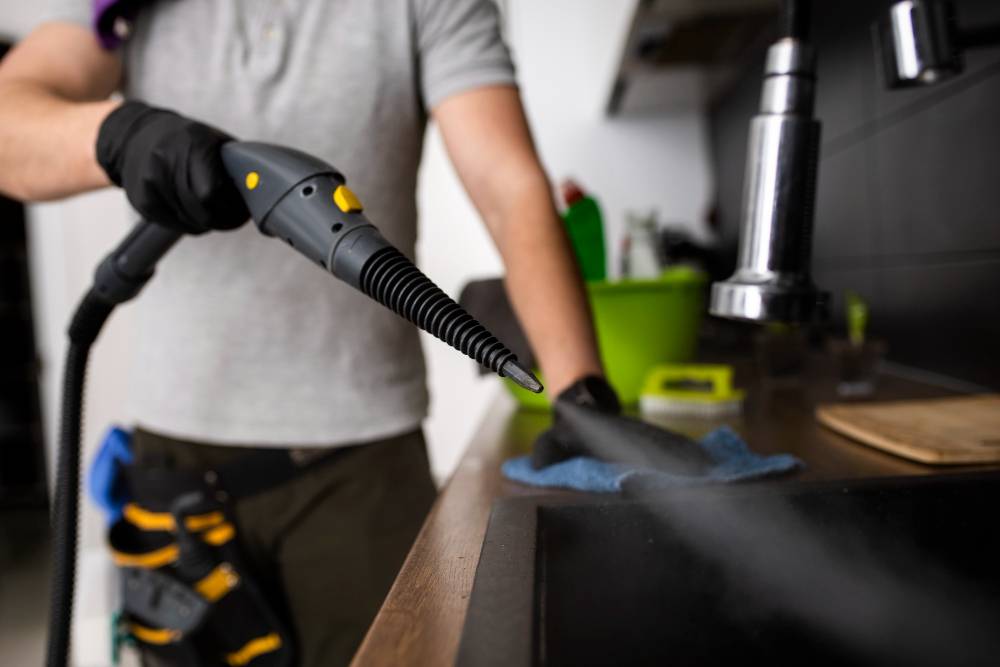
Power washing is a highly effective solution for maintaining the cleanliness and appearance of various exterior surfaces, from commercial buildings and sidewalks to decks, driveways, and parking lots. However, not all power washing systems are created equal. The choice between hot water and cold water systems is not just a matter of preference but a strategic decision based on the specific type of dirt, surface material, and environmental factors. Understanding when to use each system can significantly improve cleaning results, preserve the integrity of your property, and reduce maintenance costs over time.
In this article, we take a deep dive into hot vs. cold power washing systems and answer frequently asked questions to help you determine the most appropriate method for your cleaning needs.
Understanding the Basics: Hot Water vs. Cold Water Power Washing
At its core, power washing uses high-pressure water to remove dirt, grime, algae, mold, grease, and other contaminants. Cold water systems rely solely on water pressure and detergents, while hot water systems heat the water usually up to 200°F or more to enhance cleaning capabilities.
Hot water power washing operates on the same principle as washing dishes: warm water breaks down grease and oils much faster and more effectively than cold water. This makes it an ideal choice for cleaning surfaces contaminated with oil, grease, or sticky residues. In contrast, cold water systems are generally sufficient for removing loose dirt, mud, or salt deposits on regular surfaces like concrete walkways, fences, and siding.
When Should You Use Hot Water Power Washing?
Hot water systems are particularly effective in environments where sanitation, oil removal, or grease buildup is a concern. For example, industrial facilities, commercial kitchens, garages, loading docks, and restaurant dumpsters benefit greatly from the grease-cutting properties of hot water.
The heat causes grease and oil to loosen and emulsify, allowing detergents to work more efficiently and rinse away the grime more completely. It also provides a mild disinfecting effect, which is valuable in places where hygiene matters, such as food service areas or public restrooms.
In winter months or colder climates, hot water systems help melt ice and loosen salt buildup, offering an added benefit in outdoor maintenance. However, it is important to avoid using high heat on delicate surfaces such as wood siding or soft plastics, as the heat could warp or damage the material.
When is Cold Water Power Washing More Appropriate?
Cold water systems are cost-effective, energy-efficient, and suitable for a wide range of exterior maintenance tasks. They are ideal for routine cleaning jobs where grease and oil are not present, such as removing surface-level dirt, pollen, dust, and mildew from walls, fences, patios, roofs, and driveways.
Because they don’t require energy to heat water, cold systems are generally less expensive to operate and are easier to maintain. They are well-suited for general contractors, property managers, and homeowners performing seasonal maintenance or aesthetic improvements.
Cold water pressure washing is also safer for fragile surfaces or when the goal is to avoid disturbing paint, sealants, or coatings. For example, cleaning a painted wood deck or a soft stucco wall with cold water and mild detergent can prevent damage that hot water might cause.
Key Factors to Consider When Choosing Between the Two
The effectiveness of hot vs. cold power washing depends on several variables:
- Type of Surface: Porous and durable surfaces like concrete can withstand hot water, while soft wood, vinyl, or painted surfaces may require cold water to avoid stripping finishes.
- Type of Contaminant: Grease, oil, gum, and stubborn stains respond better to hot water. Dust, mud, and mildew can be easily removed with cold water and detergent.
- Frequency of Cleaning: Facilities that need frequent cleaning (e.g., restaurants or warehouses) benefit from the speed and sanitation of hot water systems.
- Budget and Energy Use: Cold water systems consume less energy and have a lower upfront cost, making them practical for standard jobs.
- Environmental Concerns: Eco-friendly detergents and responsible water runoff practices should be prioritized with either system to prevent environmental harm.
How Day Porters and Facility Managers Leverage the Right System
Day porters and maintenance crews who oversee the cleanliness of busy facilities must be strategic in their approach to exterior upkeep. They often rely on both hot and cold systems, depending on the specific needs of different zones within a property.
For instance, parking areas and service entrances exposed to vehicle oil may require periodic hot water treatment. On the other hand, regular walkways and garden walls may only need cold water cleaning every few weeks. Facility managers can optimize budgets and cleaning schedules by training staff on when and how to deploy each system for maximum efficiency.
Incorporating smart scheduling, proper equipment, and knowledge of surface compatibility not only enhances cleanliness but also extends the life of the facility’s exterior features.

Conclusion
Choosing between hot and cold power washing systems is not a one-size-fits-all decision. The material of the surface, the type of contaminants, the frequency of cleaning, and even climate conditions all factor into determining the most effective and safe method. Understanding these distinctions helps property owners and facility managers make informed decisions that improve aesthetics, preserve infrastructure, and reduce cleaning costs.
Ultimately, both hot and cold systems have their place in a comprehensive exterior maintenance strategy. By aligning your cleaning method with your specific needs, you ensure that your facility not only looks its best but also maintains a healthy, long-lasting structure.