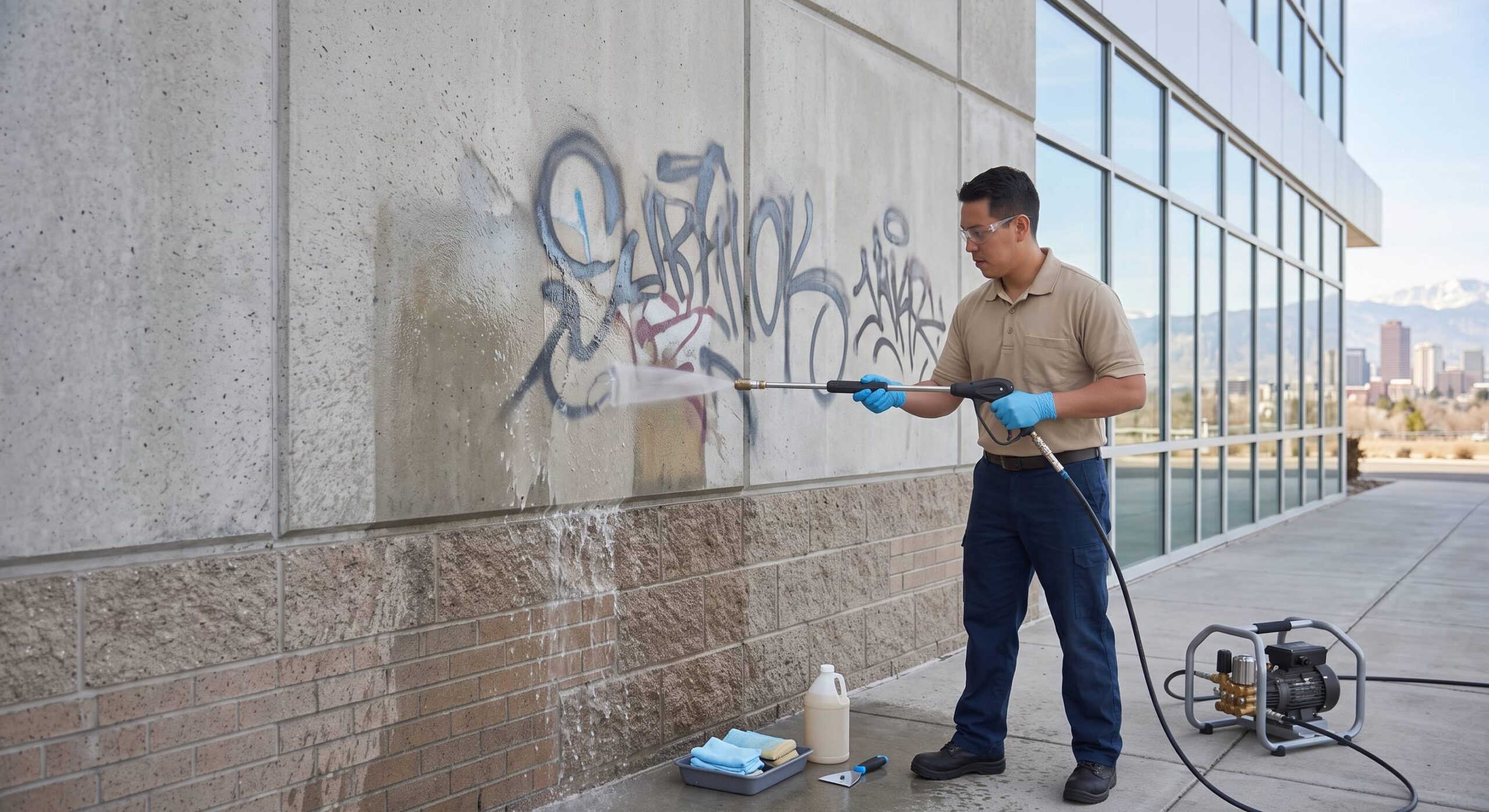
Power washing is one of the most effective ways to restore the exterior of your property to its original shine. Over time, grime, algae, mildew, and dirt cling to outdoor surfaces, dulling their appearance and sometimes causing damage. A good power wash can instantly elevate your property’s curb appeal and even prolong the life of various materials.
Whether you’re a homeowner wanting to spruce up your driveway or a business owner preparing a storefront, power washing provides a fast and thorough solution. But it’s not just about blasting surfaces with high-pressure water. Knowing the right techniques, tools, and safety measures is crucial for a job well done.
In this guide, we’ll cover everything you need to know about power washing, from preparation and execution to upkeep and maintenance. So roll up your sleeves, it’s time to bring that sparkle back to your property’s exterior.
What Is Power Washing?
Power washing, also called pressure washing, involves using a high-powered stream of water to remove dirt, mold, stains, and other build-up from exterior surfaces. It’s a popular cleaning method for driveways, siding, patios, sidewalks, and more.
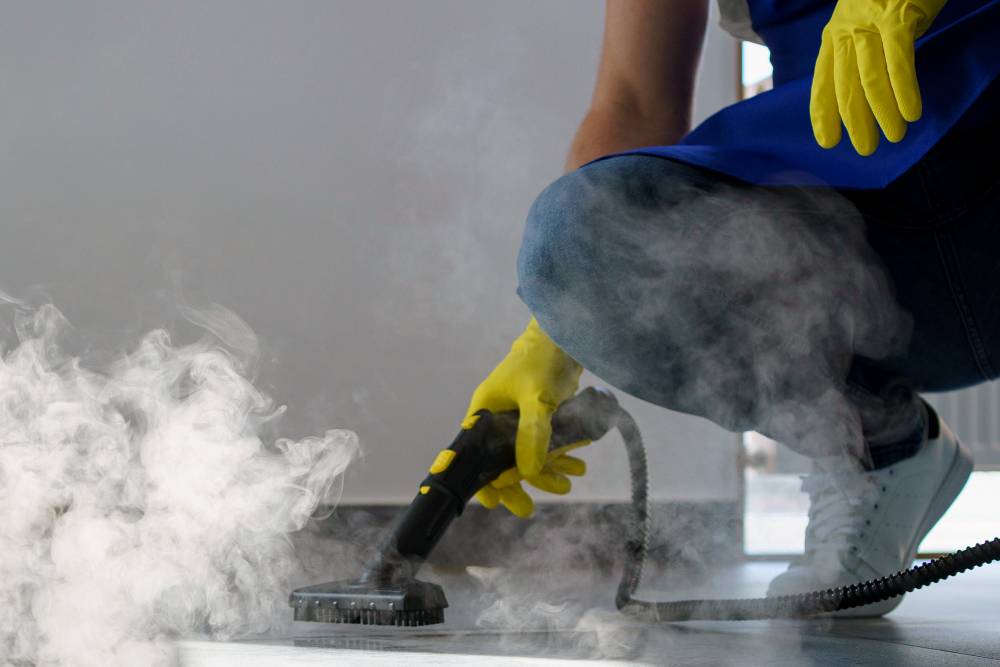
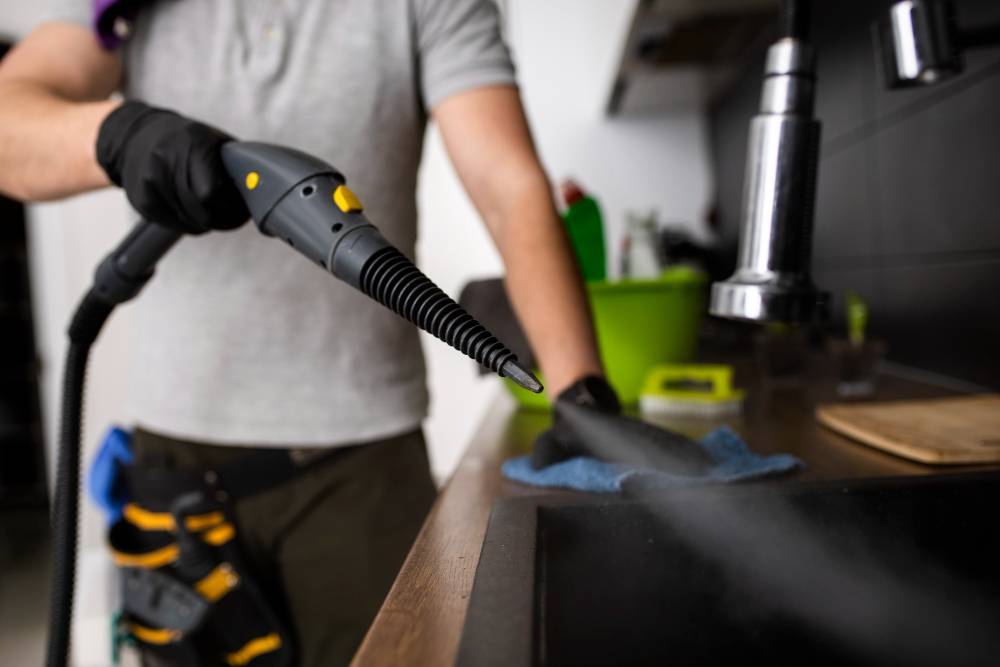
What sets power washing apart is the use of heated water. Unlike regular pressure washing, power washers use hot water, which is especially effective in breaking down grease, oil, and thick grime. This makes it ideal for heavily soiled areas or surfaces that require deeper sanitation.
It’s a versatile process, adaptable to various materials and surface types when handled correctly. However, misuse can lead to damage, so understanding how to operate the machine and when to use it is essential.
Benefits of Power Washing for Exterior Surfaces
Power washing does more than make surfaces look good. It also protects and preserves. Regular washing removes contaminants that can cause long-term damage, such as algae that eats away at wood or moss that compromises roofing shingles.
A freshly cleaned exterior improves your home’s market value. For homeowners looking to sell, power washing can provide an instant facelift that attracts more buyers. The same goes for businesses. It’s hard to make a good impression if your storefront looks dingy.
Besides aesthetics and preservation, power washing also contributes to a healthier environment by removing mold, allergens, and mildew. These substances can be harmful to your family or customers if left unchecked, especially on walkways or near air vents.
Ideal Times to Power Wash Your Home or Building
Timing matters when it comes to power washing. Spring and early summer are great times to tackle outdoor cleaning. The weather is mild, and your home is ready to shine for the warmer months. It also helps remove any residue left from winter, such as salt, grime, and debris.
Avoid power washing during extremely hot or cold weather. Excessive heat can cause detergents to evaporate too quickly while freezing temperatures can make the water dangerous to work with. Late spring and early fall provide that ideal middle ground.
Also, consider power washing after heavy storms, construction work, or when algae or mold starts becoming visible. Seasonal cleaning routines can help you stay on top of maintenance and avoid bigger repairs later on.
Understanding the Right Pressure Settings
One of the most important things to understand is that not all surfaces can handle the same water pressure. Power washers typically range from 1,300 to over 4,000 PSI (pounds per square inch), and choosing the wrong setting can cause serious damage.
Delicate surfaces like wood or painted siding need lower pressure typically under 1,500 PSI. Concrete and brick, on the other hand, can handle much higher settings without issue. Always check the manufacturer’s recommendations or test on a small area first.
Many machines come with interchangeable nozzles, each designed to deliver different spray angles and intensities. A narrow nozzle gives you more power but covers less surface, while wider nozzles offer gentler coverage. Learning how to match the nozzle to the task is key for successful cleaning.
Different Types of Power Washers
There are two main types of power washers: electric and gas-powered. Each has its strengths and is suitable for different situations.
Electric power washers are lightweight, easy to store, and perfect for smaller tasks like washing cars, patio furniture, or home siding. They’re quieter and more eco-friendly but typically offer lower pressure.
Gas-powered models, on the other hand, pack a punch. They’re ideal for large surfaces and heavy-duty jobs like cleaning decks, driveways, and commercial spaces. They offer more mobility but also require more maintenance and care.
Knowing your cleaning needs will help you choose the right type. If you’re tackling a big job or need more pressure, gas is the way to go. For lighter, regular cleaning, electric will get the job done just fine.
Choosing the Right Detergents and Cleaners
Not all stains can be removed with water alone. Sometimes, you need to bring in a little backup in the form of detergents or specialty cleaners. The key is to pick the right cleaner for your surface and stain type.
Use mold- and mildew-fighting detergents for shaded areas and siding. For oil-stained driveways or garage floors, degreasers work best. Plant-safe and pet-friendly options are also available if you’re worried about landscaping or kids.
Always read labels and avoid mixing different chemicals, which could produce harmful fumes. Pre-treat stubborn areas and let the detergent sit for a few minutes before rinsing for best results.
Power Washing Safety Tips
Power washing may seem straightforward, but it can be dangerous if done carelessly. High-pressure water can cause injury, damage surfaces, and even break windows if misdirected.
Always wear protective gear, gloves, goggles, and closed-toe shoes are a must. Never point the spray at people or animals. Be especially cautious when using ladders or working near electrical outlets or fixtures.
Clear the area before you begin. Move furniture, cover outlets, and make sure pets and children are indoors. Taking time to prepare will prevent most accidents and keep your power washing experience smooth.
How to Prepare Your Home Before Power Washing
Preparation is everything when it comes to power washing. Start by walking around your property and identifying areas that need special attention, such as moldy siding, oil-stained concrete, or dirty patio furniture. This will allow you to plan your cleaning strategy and decide where to start.
Next, remove or cover anything that could be damaged. That includes outdoor furniture, potted plants, decorations, and light fixtures. Use plastic sheets or tarps to protect electrical outlets, vents, and other sensitive areas. Make sure all doors and windows are shut tightly to avoid any water seeping inside.
Disconnect hoses and ensure your power washer has a clean water source. If you’re using detergents, prep those too. Read the labels carefully to get the mixing ratios right. Doing these simple tasks beforehand can save you from a lot of unnecessary damage and frustration during the cleaning process.
Techniques for Washing Different Surfaces
Concrete and Driveways
Concrete can withstand high pressure, making it one of the easiest surfaces to clean with a power washer. Start at one end and use a consistent back-and-forth motion. Holding the nozzle about 12 inches above the surface helps prevent etching or streaking.
For oil or grease stains, pre-treat with a degreaser and let it sit for 10–15 minutes before washing. For driveways with heavy grime, a rotating surface cleaner attachment can speed things up and provide even coverage. Just be careful near expansion joints. They can be vulnerable to high pressure if not handled properly.
Vinyl Siding
Vinyl siding requires a gentler approach. Use a low-pressure setting or a wider nozzle to avoid cracking or warping the panels. Begin from the bottom and work your way up, this helps avoid streaks and keeps detergent from dripping down onto already-cleaned areas.
Use siding-safe detergent to loosen grime, mildew, and oxidation. Be sure to rinse thoroughly, and never aim the nozzle upward under the siding edges. That’s a quick way to send water behind the panels and risk mold growth inside the walls.

Wooden Decks and Fencing
Wood is delicate, so you’ll want to be extra careful here. Choose a pressure setting of around 500–1,200 PSI depending on the wood type. Always test on a small section first and keep the nozzle moving to avoid gouging or splintering the wood.
Wash along the wood grain, not against it. Pre-treating with a wood-safe cleaner helps lift dirt and mildew more easily. After power washing, let the wood dry completely for 24–48 hours before applying a sealant or stain to protect it from moisture and sun damage.
Brick and Stone Walls
Brick and stone are more durable but can still be damaged if not cleaned correctly. Use a 25-degree nozzle to apply detergent and let it soak in to break down grime. Avoid narrow nozzles, which can erode the mortar between bricks.
Make sure the bricks are in good shape before starting. Cracked or loose bricks can worsen under pressure. Rinse from top to bottom and keep your nozzle moving steadily for a clean, uniform look.
Common Mistakes to Avoid
Power washing may seem simple, but many DIYers make mistakes that can lead to damage or poor results. One common error is using too much pressure, which can crack siding, carve into wood, or blast mortar out of brick joints.
Another frequent mistake is spraying too closely. Holding the nozzle too close to a surface concentrates the pressure in a small area, increasing the risk of damage. Aim for at least 6–12 inches away from the surface, adjusting as needed.
Skipping surface preparation is another issue. Not clearing the area or failing to cover sensitive spots can lead to broken items, water damage, or messy cleanup. And finally, don’t forget the rinse! Leaving detergent behind can cause streaking or staining, especially on siding or windows.
Environmental Considerations
Power washing can impact the environment if not done responsibly. Many detergents contain chemicals that can harm plants, animals, and water sources if they’re not properly managed. Always choose biodegradable, eco-friendly cleaners whenever possible.
Be mindful of where the runoff goes. Avoid letting water flow into storm drains, which can carry pollutants directly into rivers and streams. Direct water onto grassy areas or use containment tools when needed.
You should also be aware of local regulations. Some communities have rules about water usage, particularly during dry months. A quick check with your local municipality ensures you’re not breaking any guidelines.
Hiring a Professional vs. DIY Power Washing
There’s a big difference between grabbing a rental unit and hiring an experienced pro. DIY power washing is budget-friendly and can be satisfying if you enjoy hands-on projects. However, it comes with a learning curve and some risks. Especially if you’re unfamiliar with pressure settings or detergent types.
Professionals bring experience, specialized equipment, and efficiency to the table. They know which surfaces need low or high pressure, what cleaning agents to use, and how to protect surrounding areas. They also work faster and can take on large-scale jobs that might take you days to complete.
If you’re unsure about tackling a tough job or simply want the best results with no stress, hiring a professional can be a smart investment. It ensures safety, prevents damage, and delivers that flawless finish you’re looking for.
Maintaining Cleanliness After Power Washing
Once your exterior looks clean and refreshed, the goal is to keep it that way. Start by trimming trees and bushes to reduce organic debris. Regularly sweep patios and driveways to prevent dirt from accumulating and compacting.
Applying sealants or protectants, especially to wood and concrete; can extend the life of your surfaces and reduce how often they need washing. These coatings act as barriers against moisture, UV rays, and grime buildup.
Establishing a maintenance schedule is also a smart move. Whether it’s seasonal touch-ups or annual full cleanings, consistency helps preserve your home’s exterior, preventing the need for costly repairs down the line.
Conclusion
Power washing isn’t just about aesthetics. It’s a powerful maintenance tool that keeps your home or business exterior in top shape. With the right techniques, tools, and timing, you can restore surfaces, prevent long-term damage, and make your property look as good as new.
From driveways and decks to siding and stone, every surface has its own needs. Understanding those needs and avoiding common pitfalls will give you the best results. Whether you go the DIY route or call in the pros, power washing is a worthwhile investment in your property’s health and value.
So grab that pressure washer, prep your space, and let the transformation begin. A cleaner exterior is just a spray away!