
Indoor air quality (IAQ) plays a critical role in determining the comfort, health, and productivity of building occupants. Whether it is an office, commercial space, healthcare facility, or educational institution, the air people breathe indoors can significantly impact their well-being.
Poor IAQ has been linked to respiratory illnesses, allergies, reduced cognitive function, and absenteeism. The good news is that a carefully planned approach to cleaning and maintenance can dramatically improve indoor air quality.
By implementing proactive cleaning strategies, routine HVAC maintenance, and environmental monitoring, building managers can prevent the buildup of pollutants, allergens, and contaminants. This article explores how routine maintenance, targeted cleaning procedures, and awareness of environmental factors contribute to healthier indoor spaces.
The Impact of Poor Indoor Air Quality
Indoor air can be two to five times more polluted than outdoor air, primarily due to enclosed environments where pollutants accumulate. Dust mites, mold spores, volatile organic compounds (VOCs), bacteria, and airborne particles can easily build up without adequate cleaning and ventilation. Inadequate air circulation, neglected HVAC systems, and infrequent cleaning can exacerbate these problems, leading to symptoms like headaches, fatigue, asthma, and eye irritation.
Occupants may experience what is often referred to as Sick Building Syndrome (SBS), a condition characterized by health issues that seem to be linked directly to time spent indoors. Besides health concerns, poor IAQ can impact work efficiency, damage sensitive equipment, and tarnish a building’s professional image. Reactive responses are insufficient. A proactive approach is required to prevent IAQ issues before they arise.
Proactive Cleaning for Healthier Air
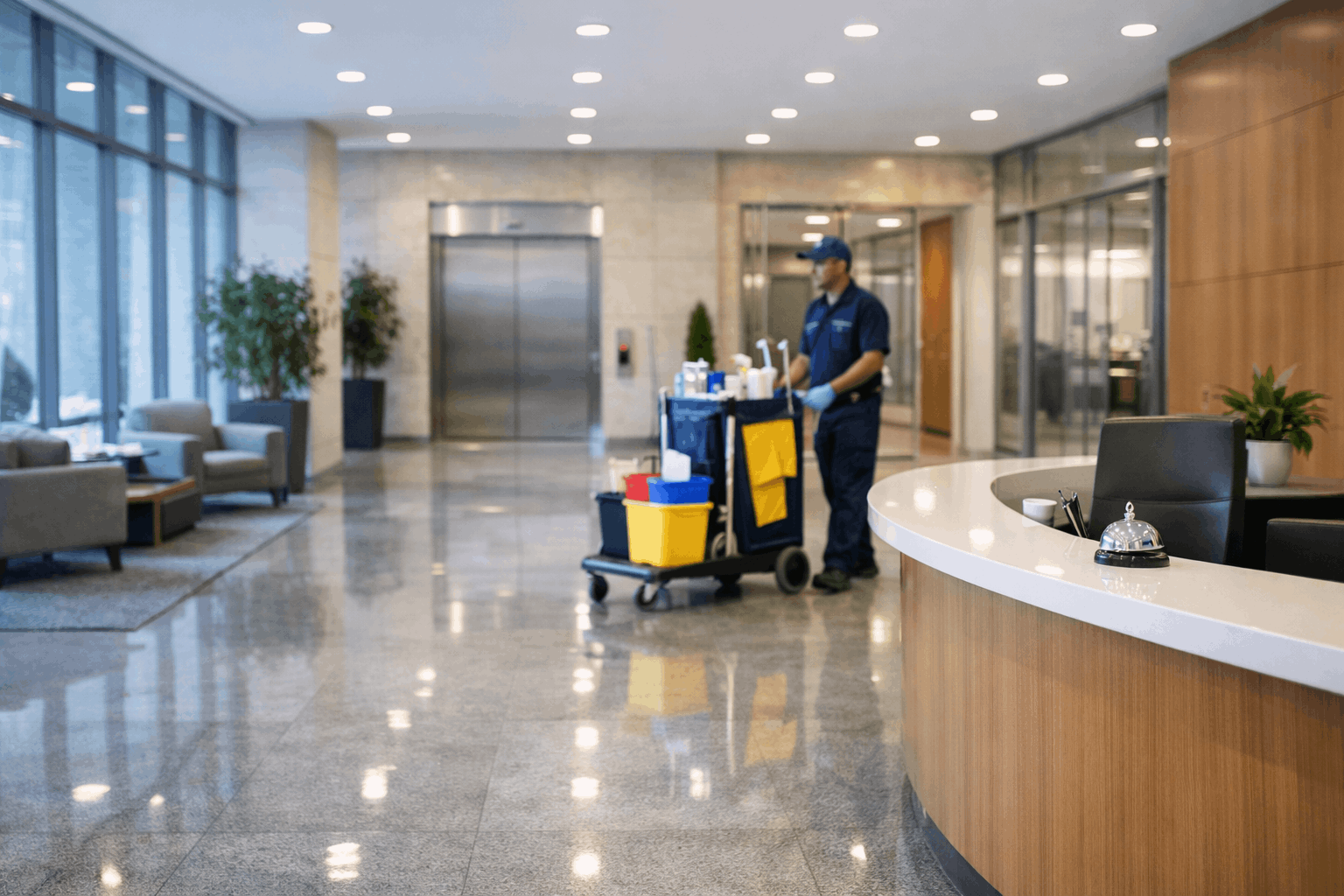
Regular and methodical cleaning removes many of the particulates and biological agents that can degrade air quality. This includes dust, dander, mold spores, and pollen that settle on surfaces and get reintroduced into the air through movement or HVAC circulation. High-touch surfaces, upholstery, carpets, and air vents are prime locations for pollutant buildup and should be cleaned with appropriate tools and products.
Carpet and floor care is significant. Carpets act like sponges, trapping allergens and dust, and when not cleaned regularly, they can release these contaminants into the air with every footstep. Using HEPA-filtered vacuums and scheduling regular deep-cleaning services can help reduce this risk. Similarly, hard floors should be swept, mopped, and periodically scrubbed to eliminate embedded debris.
The choice of cleaning products also plays a role. Many conventional cleaners contain VOCs that linger in the air and contribute to poor IAQ. Switching to low-emission, eco-friendly cleaning agents ensures surfaces are sanitized without introducing harmful chemicals into the environment.
HVAC System Maintenance and IAQ
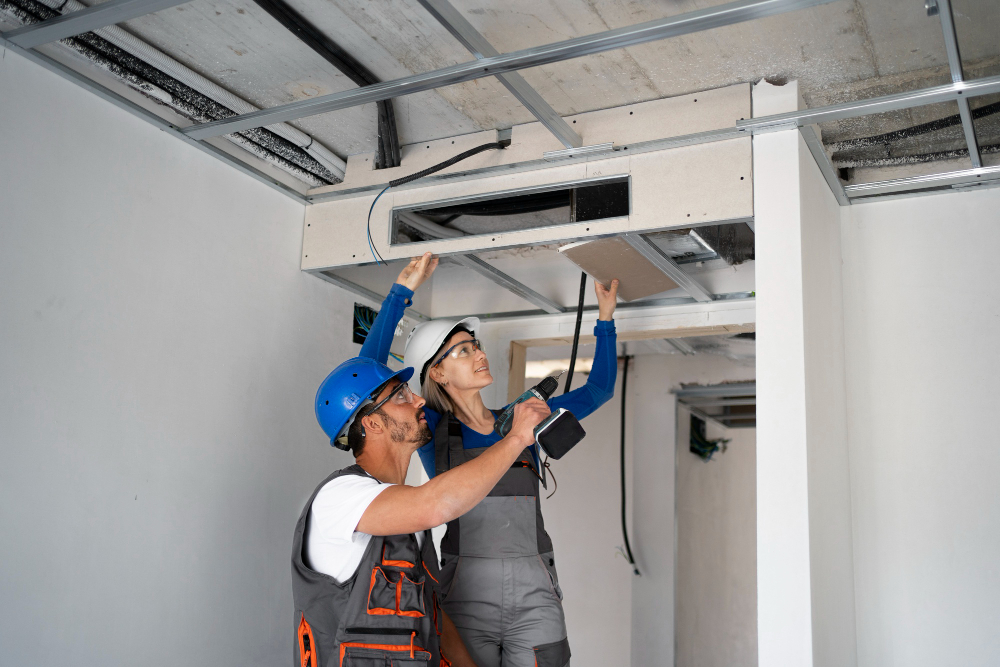
A building’s HVAC (Heating, Ventilation, and Air Conditioning) system is its respiratory system. If it is poorly maintained, it can become a major source of air contamination. Dust accumulation in ducts, clogged filters, and standing water in drain pans can harbor mold and bacteria, which are then distributed throughout the building.
Routine inspections and maintenance should include:
- Filter replacement on a regular schedule, ideally with high-efficiency filters rated for allergen and particle control.
- Duct cleaning, especially necessary in older buildings or those that have undergone renovations.
- System calibration to ensure proper ventilation rates and temperature control.
- Humidity control mechanisms, as excess moisture can promote mold growth.
A proactive HVAC maintenance program not only extends the life of equipment but also ensures that the air being circulated is clean, fresh, and at optimal humidity levels, contributing directly to a healthier indoor atmosphere.
Controlling Moisture and Mold Prevention
Humidity is a major contributor to indoor air issues. High moisture levels support mold and mildew growth, which can release spores and toxins into the air. Mold often develops in hidden areas behind walls, under carpets, or within HVAC systems, and is one of the leading causes of long-term IAQ deterioration.
Controlling moisture starts with identifying and addressing leaks, poor insulation, and inefficient drainage systems. Proactive cleaning teams should regularly inspect restrooms, kitchens, basements, and HVAC components for signs of dampness or mold.
Additionally, installing dehumidifiers in susceptible areas and ensuring good airflow helps prevent the conditions that mold needs to thrive. Prompt remediation of water damage and using anti-microbial treatments on vulnerable surfaces are also essential preventive measures.
Air Purification and Environmental Monitoring
Beyond cleaning and maintenance, advanced air purification systems and IAQ monitoring tools can offer additional layers of protection. Air purifiers with HEPA filters or activated carbon filters help trap fine particles, allergens, and VOCs. These devices are particularly useful in high-traffic areas or spaces with limited ventilation.
Environmental monitoring devices can track levels of pollutants, carbon dioxide, humidity, and temperature in real time. This data allows facility managers to respond quickly to changes and adjust ventilation, cleaning frequency, or occupancy levels to maintain air quality.
By integrating smart technologies into IAQ strategies, buildings can maintain consistent and measurable improvements, ensuring long-term health benefits for occupants.
Employee and Occupant Awareness
One often overlooked factor in indoor air quality is human behavior. Educating employees or tenants on proper habits can greatly enhance IAQ efforts. Encouraging proper storage of food, reducing clutter, limiting the use of personal air fresheners, and reporting leaks or odors promptly all contribute to a healthier environment.
Posting reminders about air quality awareness and offering access to natural ventilation when possible reinforces the collective role everyone plays in maintaining cleaner air indoors.
Conclusion
Maximizing indoor air quality is not a one-time task but an ongoing commitment to cleanliness, maintenance, and proactive planning. From using eco-friendly cleaning methods and maintaining HVAC systems to monitoring environmental conditions and involving building occupants, every step contributes to a safer, healthier indoor environment.
A clean and well-maintained building not only promotes the health and comfort of its occupants but also reflects a company’s values and professionalism. Investing in indoor air quality through proactive cleaning and maintenance is not just a best practice; it is a critical strategy for creating sustainable, productive, and health-conscious spaces.