Commercial carpet is a major investment for any facility, yet many business owners and facility managers struggle with the same recurring question: Should we clean the carpet again, or is it time to replace it?
Choosing incorrectly can be expensive. Replacing carpet too early wastes capital, while delaying replacement too long can hurt your brand image, employee health, and long-term flooring costs. This guide breaks down commercial carpet cleaning vs replacement using real cost ranges, lifespan data, and operational considerations to help you make the right decision for your facility in 2025.
Understanding the Lifecycle of Commercial Carpet
Commercial carpet is engineered for durability, but it is not permanent. Most commercial-grade carpet has an expected lifespan of 7–15 years, depending on quality, traffic levels, and maintenance practices.
Key factors that influence carpet lifespan include:
- Daily foot traffic volume
- Type of carpet fiber (nylon, olefin, PET)
- Carpet construction (tile vs broadloom)
- Frequency of professional cleaning
- Presence of dirt, moisture, and contaminants
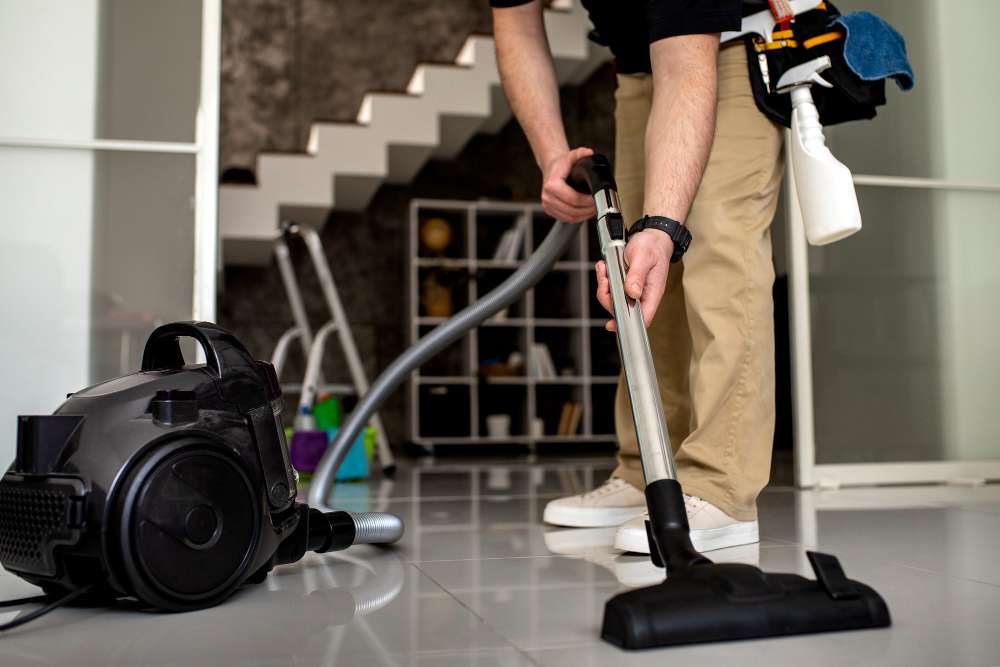
Routine vacuuming and scheduled deep cleaning can double the usable life of commercial carpet. Conversely, neglected carpet may require replacement in as little as 5 years.
Commercial Carpet Cleaning: Costs, Benefits, and Limits
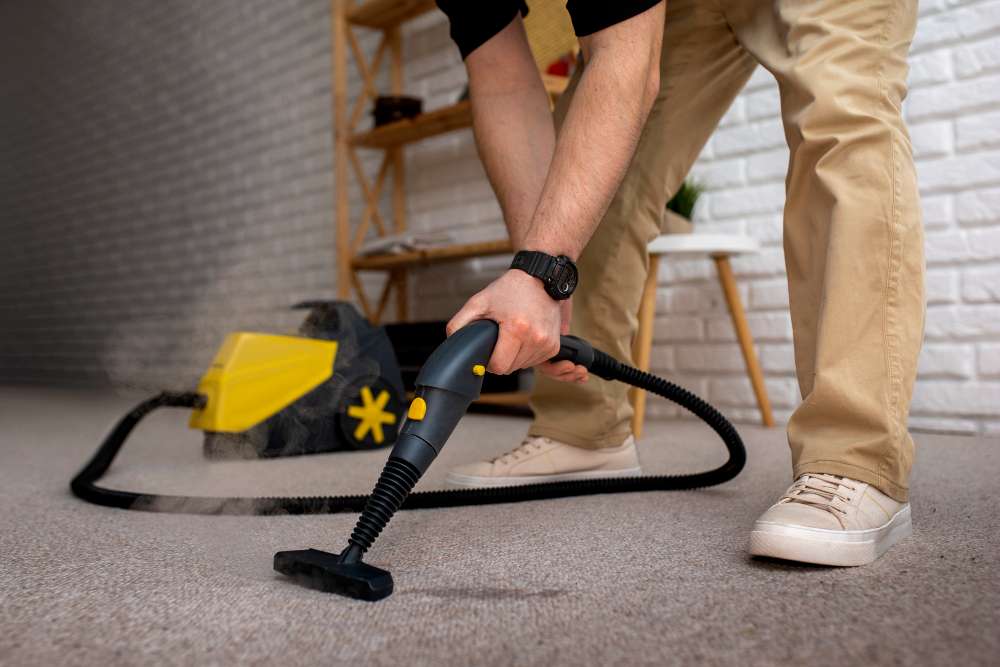
Professional carpet cleaning is often the first option facilities consider because it is significantly less expensive than replacement.
Average Cost of Commercial Carpet Cleaning
- In 2025, typical commercial carpet cleaning costs include:
- $0.15–$0.40 per square foot for hot water extraction
- $0.10–$0.25 per square foot for low-moisture encapsulation
- $150–$500+ per visit for small to mid-sized offices
Pricing varies based on:
- Total square footage
- Level of soiling
- Stain treatment requirements
- Access limitations
- After-hours scheduling
Benefits of Commercial Carpet Cleaning
Professional cleaning offers several advantages:
- Restores appearance and color
- Removes embedded dirt and allergens
- Improves indoor air quality
- Extends carpet lifespan
- Minimizes downtime and disruption
- Costs a fraction of replacement
For most facilities, scheduled cleaning every 6–12 months is sufficient to maintain appearance and performance.
Limitations of Carpet Cleaning
While cleaning is effective, it cannot fix:
- Worn or frayed fibers
- Matting in high-traffic areas
- Delamination or backing failure
- Permanent stains or discoloration
- Odors caused by moisture damage or mold
If these issues are widespread, cleaning becomes a short-term cosmetic fix rather than a solution.
Commercial Carpet Replacement: Costs and Considerations
When carpet deterioration reaches a certain point, replacement becomes unavoidable.
Average Cost of Commercial Carpet Replacement
Commercial carpet replacement typically costs:
- $3–$7 per square foot for carpet tile
- $4–$10 per square foot for broadloom carpet
- $1–$3 per square foot for removal and disposal
- Additional costs for furniture moving and downtime
For a 10,000 sq. ft. office, replacement costs often range from $50,000 to $100,000+ depending on materials and logistics.
Benefits of Replacing Commercial Carpet
Despite the higher upfront cost, replacement provides:
- A completely refreshed appearance
- Improved acoustics and comfort
- Enhanced brand image
- Better compliance with health and safety standards
- Opportunity to upgrade materials or layouts
Carpet tile, in particular, allows for modular replacement, reducing future costs by replacing only damaged sections.
How to Decide: Clean or Replace?
The decision comes down to condition, cost, and business impact.
Cleaning Is the Better Choice When:
- Carpet fibers are intact
- Stains are removable
- Odors are minimal
- Carpet is under 10 years old
- Traffic patterns are uneven
- Budget constraints exist
Replacement Is the Better Choice When:
- Carpet shows visible wear and matting
- Stains reappear after cleaning
- Odors persist
- Backing is failing
- Multiple cleanings no longer improve appearance
- Carpet is approaching or exceeding its expected lifespan
Cost Comparison Over Time
While cleaning is cheaper short-term, repeated cleaning of severely worn carpet can be inefficient.
Example comparison over 5 years:
- Annual cleaning: $2,500/year × 5 = $12,500
- Replacement once: $65,000 upfront
- Result: Cleaning saves money only if carpet condition is still viable
When cleaning no longer delivers noticeable improvement, replacement becomes the more cost-effective long-term option.
Health, Safety, and Indoor Air Quality Considerations
Old or poorly maintained carpet can trap:
- Dust and allergens
- Bacteria and mold
- Odors and volatile compounds
In healthcare, education, and high-occupancy offices, carpet condition directly affects employee health and absenteeism. In such environments, replacement may be justified earlier for compliance and wellness reasons.
How Maintenance Impacts Future Replacement Costs
Facilities that use a regular maintenance program can make carpets last longer. This includes vacuuming, spot cleaning, and deep cleaning once a year. With this care, carpets can last 30–50% longer.
Preventive maintenance is significantly cheaper than premature replacement and should be part of every facility’s flooring strategy.
Final Recommendation: Take a Strategic Approach
The best decision isn’t emotional or purely aesthetic—it’s strategic.
- Clean when maintenance still delivers results
- Replace when performance, appearance, or health is compromised
- Choose materials that reduce future lifecycle costs
A professional assessment helps avoid guesswork and wasted spending.