
Maintaining the interior of a commercial property goes beyond appearances; it is an investment in longevity, cost efficiency, and business image. Windows and floors are two of the most frequently used and exposed elements within a commercial facility, and their proper care directly impacts not only aesthetics but also long-term durability.
A thoughtful maintenance strategy that emphasizes preventive care, cleaning routines, and the use of professional services can significantly extend their lifespan while saving money on costly replacements.
The Importance of Window Care in Commercial Interiors
Windows play a dual role in commercial spaces: they are functional elements that bring in natural light and fresh air, and they are also aesthetic features that define the overall look of the workplace. Clean, well-maintained windows enhance the appearance of a facility, creating a professional impression for clients, visitors, and employees. Beyond appearances, well-kept windows also improve energy efficiency by allowing more natural light into workspaces and preventing drafts caused by damaged seals.
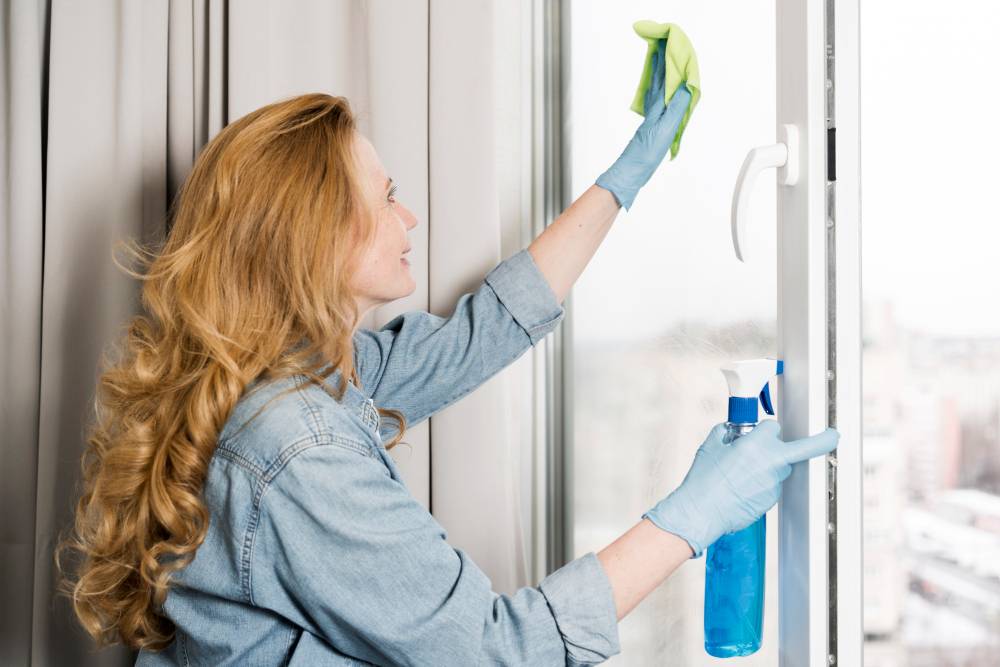
Neglected windows, however, accumulate dirt, grime, and mineral deposits that can cause long-term etching on glass surfaces. Over time, this makes the glass look permanently dull and accelerates deterioration. Regular cleaning using the right solutions helps prevent this issue while maintaining a streak-free shine. Moreover, addressing small issues like cracks, chips, or worn-out weather stripping in time helps avoid larger repair costs.
Another key aspect of window care is ensuring that the window frames and tracks are kept in excellent condition. Dust and debris buildup in these areas can hinder proper function, leading to windows that jam, leak, or fail to insulate properly. Regular inspections and lubrication of moving parts help ensure windows last longer while maintaining smooth operation.
Best Practices for Window Cleaning and Maintenance
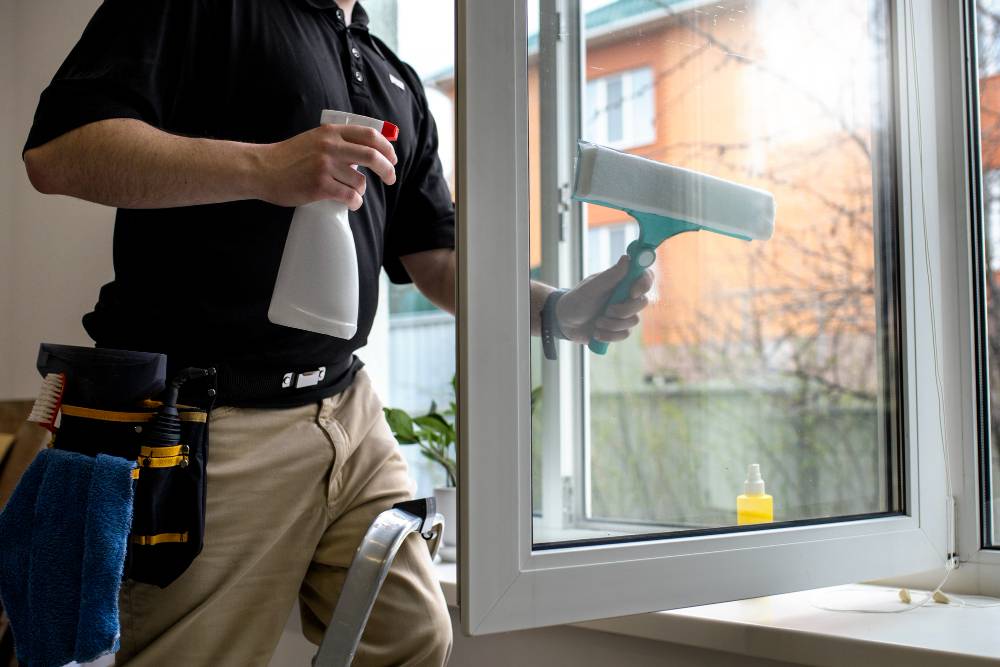
For commercial facilities, window cleaning should be scheduled on a routine basis, typically quarterly or biannually, depending on the building’s location and exposure to pollution or harsh weather. Facilities in urban or high-traffic areas may require more frequent cleanings to combat smog and dirt. Using professional-grade cleaning products is essential, as certain household cleaners can damage glass coatings or frames over time.
Another smart approach is to use water-fed pole systems or professional cleaning services for high-rise windows. Not only does this ensure a safer process, but it also guarantees a thorough and streak-free clean that is difficult to achieve otherwise. For eco-conscious businesses, using green cleaning solutions made from biodegradable ingredients can reduce environmental impact while keeping windows spotless.
Preventive measures, such as applying protective glass coatings, can further extend the lifespan of windows. These coatings reduce water spotting, block harmful UV rays that fade interiors, and create a barrier against dirt and grime. Pairing these measures with regular inspections of frames, seals, and caulking ensures that the entire window system functions efficiently and lasts longer.
The Role of Floor Care in Commercial Interiors
Floors endure constant foot traffic, making them one of the most vulnerable elements of a commercial facility. From carpeted office spaces to tiled lobbies and hardwood areas, each flooring type requires unique maintenance practices to preserve both its appearance and durability. Floors not only provide comfort and safety but also make a strong statement about the professionalism and upkeep of the facility.
Failure to maintain floors can lead to issues such as scratches, stains, fading, or premature wear and tear, which often result in costly replacements. For businesses, the financial impact can be significant, as replacing flooring in high-traffic commercial areas is both expensive and disruptive. On the other hand, a comprehensive floor care program helps extend lifespan, maintain a polished appearance, and reduce long-term costs.
Floor maintenance also plays an essential role in safety. Neglected flooring can increase the risk of slips, trips, and falls, leading to workplace accidents. Regular cleaning and protective treatments help reduce hazards while keeping the facility compliant with safety standards.
Effective Strategies for Floor Cleaning and Maintenance
The first step in effective floor care is understanding the material and tailoring cleaning methods accordingly. For instance, carpets require routine vacuuming combined with deep cleaning every six to twelve months to remove embedded dirt and allergens. Hard surfaces, such as vinyl or tile, benefit from mopping with neutral pH cleaners that do not damage finishes, while hardwood floors require specialized products to preserve their natural luster.
Protective measures also significantly impact the lifespan of the floor. Using entry mats at doors helps minimize the amount of dirt, sand, and moisture tracked indoors, reducing surface wear. Furniture pads should be installed to prevent scratching and gouging, especially in high-use areas such as conference rooms. Polishing, waxing, or sealing floors periodically adds a protective layer that extends durability and enhances aesthetics.
Scheduling professional maintenance is another critical step. Facility managers should partner with floor care specialists who understand advanced cleaning methods such as hot water extraction for carpets or machine scrubbing for hard floors. These services not only refresh the look of flooring but also tackle deep-seated issues that daily cleaning cannot address.
Creating a Sustainable Window and Floor Care Program
Businesses today are increasingly adopting sustainable practices, and window and floor care can also contribute to environmental responsibility. Using eco-friendly cleaning products, reducing water waste, and choosing low-VOC sealants and finishes support both indoor air quality and sustainability goals. This creates a healthier work environment for employees while aligning with corporate social responsibility initiatives.
A sustainable care program also emphasizes preventive strategies that reduce the need for replacements. Extending the lifespan of windows and floors reduces waste and lowers the demand for new materials, further contributing to cost savings and environmental benefits. Facility managers can also work with professional cleaning companies that specialize in green practices to ensure maintenance efforts remain aligned with eco-friendly objectives.
Finally, establishing a consistent care schedule and documenting maintenance tasks ensures long-term effectiveness. This proactive approach helps businesses track when services were last performed, identify areas that need additional attention, and avoid costly surprises from neglected issues.
Conclusion
Windows and floors form the foundation of any commercial interior’s appearance and functionality. Their upkeep directly impacts property value, employee satisfaction, and long-term cost efficiency.
By investing in regular cleaning, preventive maintenance, and sustainable practices, businesses can significantly extend the lifespan of these elements while creating an attractive, safe, and professional environment. Proactive care not only reduces expenses but also enhances the reputation of the facility, making it a worthwhile strategy for any business.