Introduction to Water Mitigation
Water damage can happen without warning—whether from a burst pipe, storm flooding, roof leaks, or appliance failures. When water spreads through your home or business, it begins damaging structures and belongings immediately.
The key to reducing destruction is understanding and applying effective water mitigation techniques as soon as possible.
What Is Water Mitigation?
Water mitigation is the initial emergency response that reduces and controls water damage before it becomes worse. This includes stopping the water source, removing standing water, drying the structure, and preventing mold growth.
It’s different from restoration, which focuses on rebuilding or replacing materials after drying is complete. Mitigation is strictly about preventing additional loss.
Why Water Damage Mitigation Matters
Moisture spreads fast. Within the first 24 hours, water can:
-
Soak into flooring and drywall
-
Damage insulation
-
Create mold conditions
-
Weaken structural materials
Immediate mitigation reduces repair costs, preserves more of your property, and helps avoid long-term health risks.
Technique 1: Immediate Water Removal
The first and most urgent step is getting rid of standing water quickly.
Professionals use high-powered pumps and extraction equipment capable of removing large amounts of water, including moisture trapped in carpets, padding, subfloors, and wall cavities.
This fast removal prevents water from continuing to spread into materials that would otherwise become unsalvageable. Many emergency water damage teams respond 24/7 because delay can turn a manageable cleanup into a major rebuild.
Technique 2: Assessing the Damage
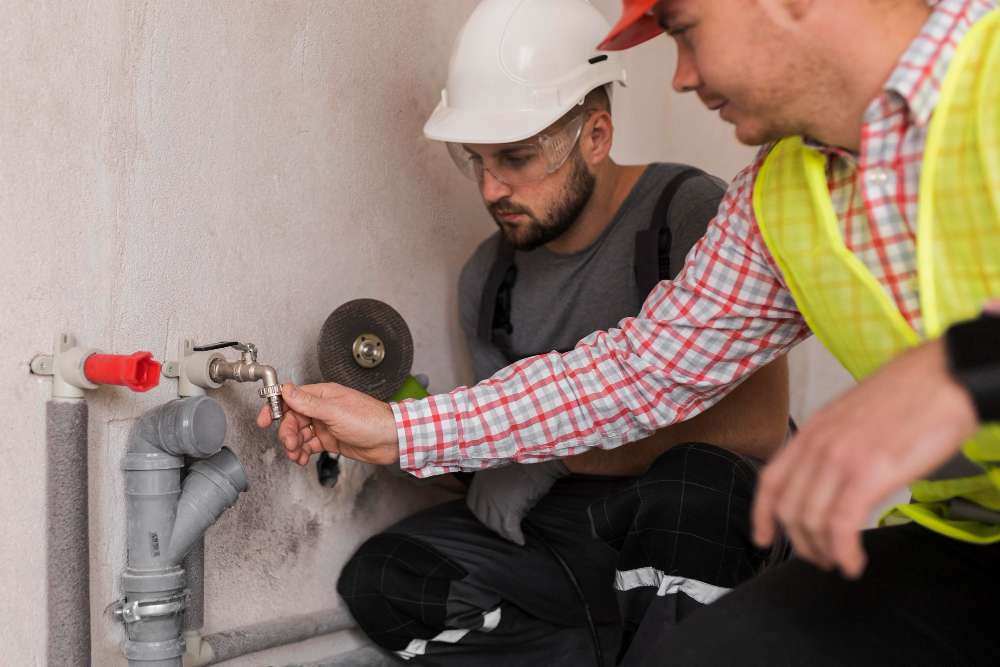
A thorough assessment determines the true scope of water intrusion.
Water often hides inside walls, beneath flooring, behind cabinets, and in ceiling cavities. Moisture detection tools such as infrared cameras and meters help identify exactly how far water has migrated.
Assessment also determines:
-
What caused the water intrusion
-
Whether the area is safe to work in
-
What materials can be saved
-
Whether contamination is present
Stopping the water source—whether it’s a pipe break, roof leak, or foundation issue—is critical before further mitigation can begin.
Technique 3: Drying and Dehumidification
Once water is extracted, the drying stage begins. This is one of the most important steps because even small pockets of moisture can lead to mold and structural deterioration.
Professionals use a combination of equipment such as:
-
High-velocity air movers
-
Commercial-grade dehumidifiers
-
Specialty systems for structural cavities and hardwood floors
Drying typically takes between 3 and 5 days, depending on humidity, temperature, and the amount of water involved. Moisture levels are checked daily until everything reaches safe, dry standards.
Technique 4: Mold Prevention and Remediation
Mold can start to grow within 24–48 hours, especially in humid conditions or inside enclosed wall spaces.
Prevention starts during mitigation by keeping humidity low and ensuring materials dry thoroughly.
If mold begins to form, proper remediation is necessary. This usually includes isolating affected areas, removing contaminated materials, filtering the air, and treating surfaces to prevent future growth.
Mold prevention is not optional—it’s a vital step that protects both health and property value.
Technique 5: Repairing and Restoring Affected Areas
When an area is fully dry, repairs can begin. Depending on the severity of the damage, this phase may include:
-
Replacing damaged drywall
-
Installing new flooring
-
Repairing structural components
-
Painting and finishing work
-
Full reconstruction in severe flood situations
Flood damage often requires more extensive restoration due to contamination and saturation. Choosing a company familiar with flood cleanup ensures proper handling, disposal, and rebuilding.
Why Choose AboutCFS for Water Damage Restoration
Here is the straightforward version—without exaggeration or over-the-top claims.
Experienced Technicians
Our team has real, hands-on experience with everything from small leaks to severe flood damage. We use reliable equipment and proven methods to remove water and dry structures correctly.
Clear Communication and Customer Support
We explain each step, answer questions honestly, and help organize documentation for insurance claims. The goal is to make a stressful situation as manageable as possible.
A Trusted Restoration Provider
Our focus is on accurate, thorough work. Fast response times, effective mitigation, and quality restoration have made us a dependable choice for both residential and commercial properties.
Conclusion
Water mitigation works best when it’s fast, organized, and handled correctly. The key techniques—water removal, assessment, drying, mold prevention, and restoration—protect your home from long-term damage.
If you’re dealing with water damage now, contacting a professional team like AboutCFS ensures the situation is handled quickly and correctly.
For those not facing an emergency, it’s smart to know your insurance coverage and have a trusted company you can call if something happens.