
Commercial buildings are long-term assets that require consistent care to retain their functionality and market value. Regular upkeep is more than just routine maintenance; it’s a proactive approach to extending the lifespan of building components, enhancing tenant satisfaction, and avoiding the steep costs associated with major repairs. Investing in building upkeep is an intelligent financial strategy that produces measurable returns across many areas of operation.
When owners and facility managers prioritize upkeep, they prevent the kind of deterioration that can lead to expensive system failures. HVAC breakdowns, roofing issues, plumbing leaks, and electrical faults often stem from neglect or delayed maintenance. By contrast, a well-maintained facility runs smoothly and can operate at optimal energy efficiency, saving money over time. These savings often outweigh the initial costs of maintenance services, demonstrating clear return on investment.
Beyond financial considerations, building upkeep affects the perception of your business. A clean, safe, and visually appealing facility attracts quality tenants, boosts property value, and supports company reputation. Whether the building is owner-occupied or leased, maintenance investments lead to long-term profitability by enhancing operational stability and reducing risk exposure.
Minimizing Major Repairs and Replacements
One of the most tangible returns on building upkeep is the reduction in major repair and replacement costs. When facility systems are inspected and maintained routinely, small issues can be resolved before they evolve into larger, costlier problems. For example, servicing an HVAC unit regularly can prevent a full system replacement that might cost tens of thousands of dollars.
This preventative strategy applies to nearly every element of a commercial property. Roofs that are cleaned and sealed regularly are less likely to leak or need full replacement. Plumbing systems that are flushed, insulated, and checked for corrosion will last longer and perform more reliably. Catching early signs of wear through regular inspections means downtime is reduced, tenants are less disrupted, and budgets stay intact.
It is also important to remember that unexpected repairs often come with hidden costs like emergency call-out fees, expedited parts, or even temporary closures. Preventative upkeep helps avoid these scenarios entirely. Instead of reactive spending, businesses can allocate their budgets strategically and with confidence, knowing that their infrastructure is in stable condition.
Energy Efficiency and Operating Cost Savings
Modern facility upkeep practices place a strong emphasis on sustainability and energy efficiency. Regular maintenance of heating, ventilation, and air conditioning (HVAC) systems, lighting, insulation, and windows can significantly reduce a building’s utility costs. These improvements often lead to immediate savings on energy bills and long-term reductions in energy consumption.
For instance, changing filters, calibrating thermostats, and cleaning coils ensure that HVAC systems use less energy while maintaining comfortable indoor environments. Similarly, replacing outdated lighting with LED fixtures not only improves visibility and safety but cuts electricity costs dramatically. Facility service teams can also recommend energy audits and implement upgrades that are eligible for tax credits or local incentives.
Over time, the cumulative effect of these small improvements results in substantial savings. When energy-efficient practices are combined with smart technology, such as occupancy sensors and automated building systems, the return on investment grows even larger. Facility upkeep, therefore, becomes a direct contributor to a building’s bottom line, offering a clear financial incentive for continuous investment.
Boosting Property Value and Tenant Retention
The condition of a commercial building has a powerful impact on its market value and appeal to tenants. Well-maintained buildings present better to prospective tenants and investors, commanding higher lease rates and greater resale value. In competitive real estate markets, the appearance and functionality of a property can be a deciding factor for businesses seeking office or retail space.
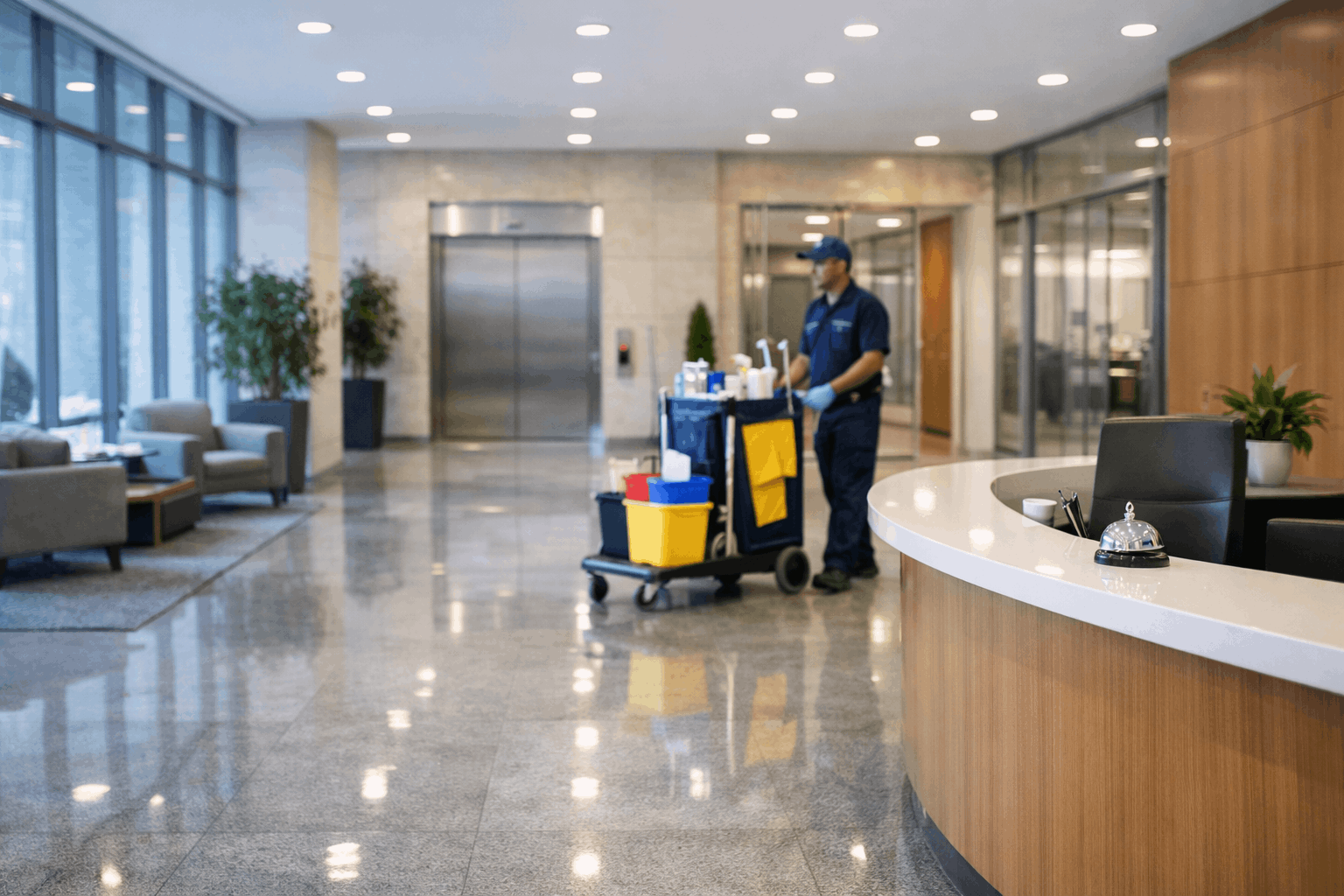
Current tenants are also more likely to stay in buildings that are clean, safe, and well-managed. Facility upkeep services such as janitorial cleaning, landscaping, window washing, and parking lot maintenance contribute to a positive tenant experience. Happy tenants are not only less likely to vacate but may also renew leases for longer terms, ensuring consistent rental income.
In contrast, neglecting upkeep can quickly lead to tenant dissatisfaction. Complaints about heating issues, water damage, or unsightly common areas often signal a broader problem with management and can result in high turnover rates. Investing in facility maintenance is, therefore, a key part of a successful property management strategy that supports long-term occupancy and asset appreciation.

Supporting Compliance and Risk Mitigation
Commercial buildings are subject to a wide range of regulations, including health and safety codes, environmental standards, fire safety rules, and accessibility laws. Facility upkeep ensures compliance with these legal requirements, reducing the risk of costly fines, lawsuits, or business interruptions. Staying compliant is not optional; it is a fundamental part of responsible building management.
For example, regular inspection of fire extinguishers, emergency exits, and electrical systems helps ensure compliance with fire codes and OSHA guidelines. Similarly, maintaining ADA-compliant features like ramps, elevators, and restrooms is essential for accommodating all users of the building. These tasks are handled as part of a structured facility upkeep program, ensuring nothing is overlooked.
In addition to legal compliance, consistent upkeep minimizes liability risks. Slippery floors, faulty lighting, and broken fixtures can all lead to accidents and injury claims. Through preventive maintenance and timely repairs, these hazards can be eliminated, protecting both the property owner and the occupants. Risk mitigation through upkeep is a direct ROI that can prevent significant financial loss.
Conclusion
The return on investment in commercial building upkeep goes beyond dollars and cents. It preserves the integrity of the property, enhances energy efficiency, supports regulatory compliance, and builds lasting tenant relationships. For property owners, facility managers, and business leaders, investing in upkeep is a proactive decision that reduces costs and adds long-term value.
Rather than reacting to problems as they arise, regular upkeep creates a stable, efficient, and appealing environment that pays dividends through lower operating expenses, higher property value, and reduced turnover. It enables property stakeholders to focus on growth and development instead of being sidetracked by avoidable issues and emergencies.
In essence, building upkeep is not a cost center but a smart financial strategy. When treated as a continuous investment, it leads to improved business outcomes, stronger property performance, and peace of mind for everyone involved in the operation and use of the facility.