

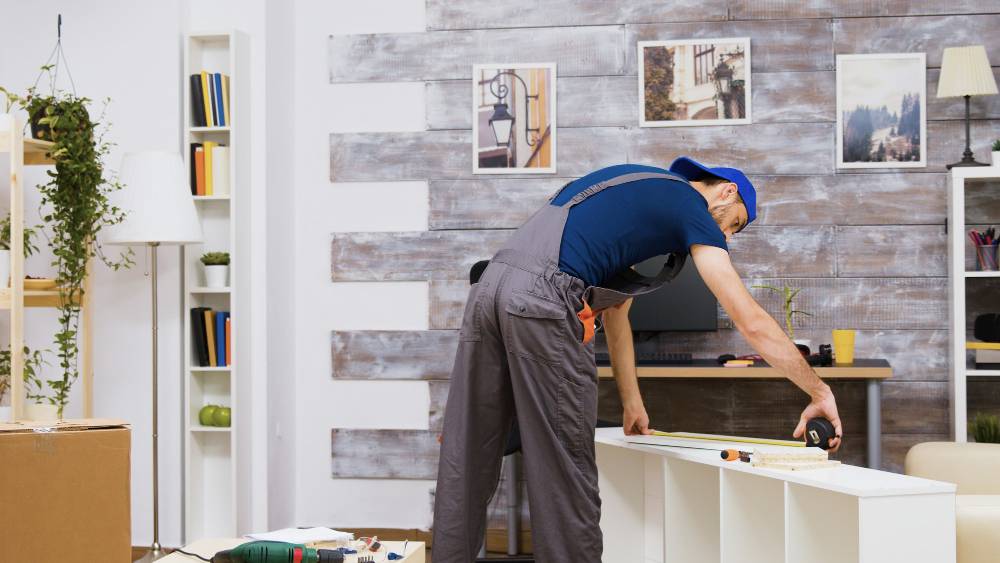
When businesses move into a new space or undergo renovations, one often overlooked but essential task is the proper installation of office furniture. While it might seem like a simple process, office furniture installation plays a significant role in a workplace’s overall functionality, safety, and efficiency. It affects everything from daily operations and employee comfort to long-term space optimization and professional appearance.
Properly installed furniture ensures the workspace is usable, inviting, and conducive to productivity. Whether setting up cubicles, ergonomic workstations, conference tables, or storage solutions, professional installation provides a solid foundation for how the office operates. Overlooking this step can lead to safety hazards, reduced employee satisfaction, and even damage to costly furniture investments.
Businesses that take office furniture installation seriously often experience smoother transitions, better use of space, and enhanced workplace morale. It is not just about placing desks and chairs where they fit; it is about creating a cohesive, organized environment that supports business goals and employee well-being.
Optimizing Office Layout and Space Efficiency
One of the main benefits of professional office furniture installation is the strategic use of space. Experienced installers consider floor plans, traffic flow, departmental needs, and safety guidelines to configure workspaces efficiently. They help maximize usable areas while keeping common paths clear and compliant with regulations.
An optimal layout can significantly influence team collaboration, communication, and overall productivity. For example, placing departments that frequently interact near each other minimizes delays and promotes teamwork. Installers often work in coordination with designers and facility managers to ensure that every piece of furniture contributes to a logical and productive office layout.
Furthermore, a well-planned installation accommodates future growth. Modular furniture systems and adjustable workstations can be arranged in ways that allow easy reconfiguration without major disruptions. This foresight reduces the need for costly renovations later on and ensures that the office remains functional as the company evolves.
Ensuring Employee Comfort and Ergonomics
Employee health and comfort should be a top priority in any workplace. Poorly installed furniture, such as desks at the wrong height or unstable chairs, can lead to discomfort, strain, and even long-term injuries. Professional installation helps avoid these issues by ensuring that ergonomic standards are met during setup.
Installers are trained to adjust furniture to suit the ergonomic needs of the staff, such as aligning monitor heights, spacing out desks appropriately, and ensuring seating supports good posture. This attention to detail not only enhances comfort but also helps reduce absenteeism and healthcare costs due to musculoskeletal disorders.
Comfortable employees are more focused, motivated, and productive. When workers feel physically supported by their environment, they are better able to concentrate on their tasks and less likely to experience fatigue. Proper installation thus becomes an investment in both employee wellness and workplace efficiency.
Maintaining Safety and Reducing Liability
Improperly installed office furniture can pose serious safety risks. Loose partitions, unstable shelving, or poorly secured cabinetry can lead to accidents that may injure employees or damage company property. Professional installers follow strict guidelines to ensure that every item is secure and safe to use.
They also understand weight distribution, load limits, and anchoring techniques, especially for tall or heavy units that could tip over. This attention to safety reduces the likelihood of workplace accidents and potential legal liabilities. In the event of an inspection or insurance claim, documented professional installation can demonstrate a company’s commitment to a safe work environment.
In addition, furniture installation often involves handling heavy items and working with tools or hardware. Attempting to perform this task in-house without the right expertise can lead to injuries and costly errors. Hiring professionals mitigates these risks and ensures a smooth, incident-free setup process.
Preserving Furniture Quality and Warranty
High-quality office furniture is a significant investment, and incorrect installation can void warranties or cause premature wear and tear. Many manufacturers specify that certified professionals must assemble and install their products to maintain warranty coverage. Failing to meet these requirements could result in the loss of protection for expensive items.
Professional installers have the experience and training to assemble furniture according to the manufacturer’s specifications. They use the right tools, follow the correct procedures, and take care to avoid damage during transport and installation. This preserves the integrity of the furniture and extends its useful life.
Additionally, professional installation often includes post-installation checks and adjustments. Installers can identify and correct minor issues that might go unnoticed by untrained individuals, ensuring everything is aligned, functional, and ready for immediate use. This level of precision adds long-term value and reduces the need for repairs or replacements.

Supporting a Seamless Office Transition
Whether moving into a new office or renovating an existing space, transitions can be disruptive. Professional furniture installation helps streamline the process by working efficiently and minimizing downtime. Installers coordinate with other contractors and departments to ensure everything is completed on schedule and according to plan.
They also handle logistics such as unpacking, assembly, placement, and cleanup, allowing employees to focus on their core responsibilities rather than managing a complex setup. This level of service helps companies resume operations faster and with less stress.
Moreover, many installation providers offer post-installation support, including furniture reconfiguration, disassembly for future moves, and on-demand adjustments. This flexibility allows businesses to adapt quickly to changing needs without the hassle of starting from scratch.
Conclusion
Office furniture installation is more than a logistical task. It is a strategic part of creating a functional, safe, and productive work environment. From optimizing space and ensuring ergonomic comfort to preserving furniture quality and minimizing safety risks, professional installation delivers substantial long-term benefits.
Investing in expert installation shows a commitment to employee well-being, operational efficiency, and business professionalism. It protects your investment, supports daily workflows, and sets the tone for how your workspace functions. For companies aiming to create a supportive and efficient office, quality furniture installation is a vital piece of the puzzle.