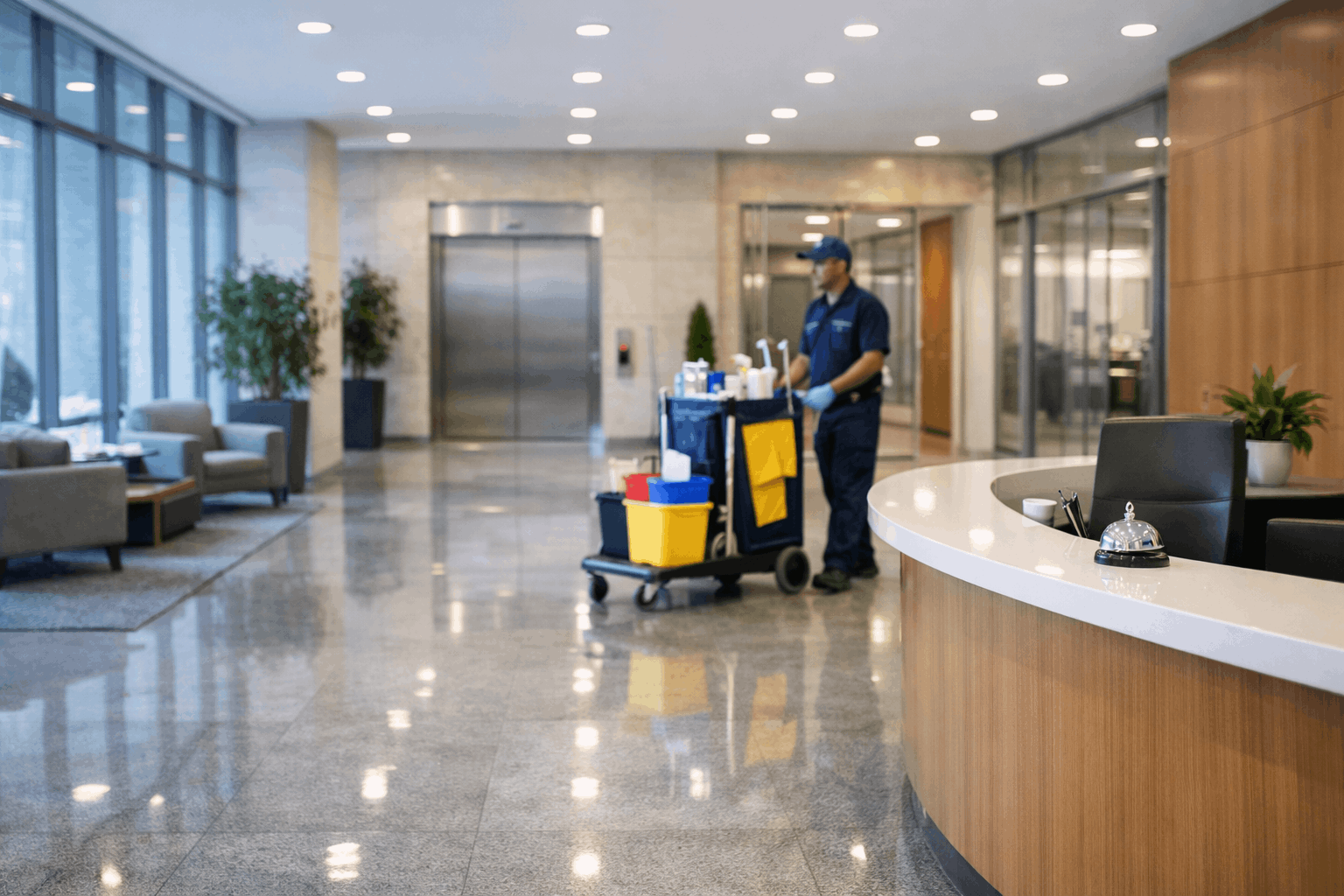

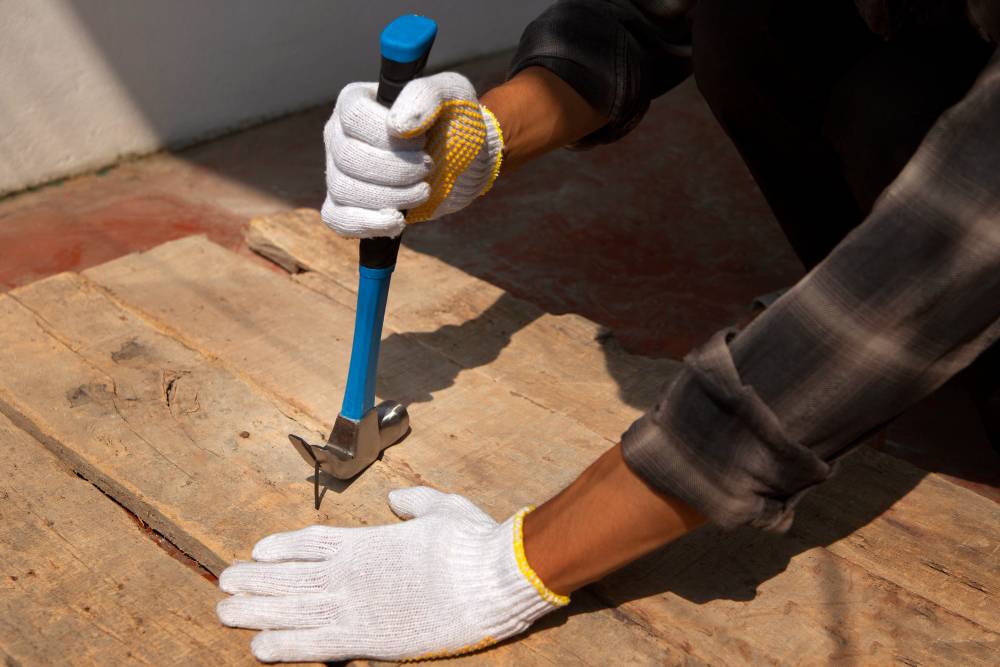
Sustainability in property management is no longer a niche concept. It has become a critical standard for how buildings are designed, maintained, and operated. As environmental concerns continue to shape industries and consumer expectations, building owners and facility managers are increasingly turning to sustainable exterior maintenance as a way to reduce environmental impact, lower operational costs, and improve long-term property value.
Sustainable exterior maintenance involves using environmentally friendly materials, adopting green practices, and designing maintenance routines that minimize waste, conserve energy, and preserve local ecosystems. This approach not only supports environmental goals but also aligns with emerging regulations, green certifications, and tenant demands for eco-conscious property stewardship.
Why Sustainable Exterior Maintenance Matters
The exterior of a building plays a significant role in overall environmental performance. Traditional maintenance practices such as the use of harsh chemical cleaners, excessive water use, and non-recyclable materials can harm the surrounding environment and contribute to pollution, energy waste, and long-term structural deterioration.
Sustainable practices help reduce the carbon footprint of routine maintenance by conserving resources and minimizing ecological damage. They also extend the life of building materials, reduce utility costs, and create healthier environments for occupants and surrounding communities. For commercial properties, sustainability has the added benefit of enhancing brand reputation and qualifying for green building certifications like LEED and BREEAM.
Eco-Friendly Materials for Exterior Maintenance
A cornerstone of sustainable maintenance is the careful selection of eco-friendly materials. These materials are designed to be non-toxic, biodegradable, recycled or recyclable, and low in embodied energy. Their use reduces the environmental impact of building upkeep without compromising performance.
Low-VOC Cleaners and Sealants
Volatile Organic Compounds (VOCs) are common in paints, sealants, and cleaning agents. These compounds evaporate into the air and contribute to air pollution and respiratory issues. Using low-VOC or VOC-free alternatives helps protect both maintenance personnel and the environment.
Recycled and Reclaimed Building Materials
When repairing or replacing components like decking, siding, or roofing, opting for recycled or reclaimed materials significantly lowers resource consumption. Materials such as recycled plastic lumber, reclaimed wood, and composite roofing shingles are durable, cost-effective, and sustainable.
Permeable Paving Solutions
Traditional pavement contributes to water runoff and erosion. Permeable materials such as porous asphalt, permeable concrete, and recycled aggregate pavers allow water to seep through, supporting groundwater recharge and reducing stormwater pollution.
Environmentally Safe Paints and Coatings
Exterior paints and waterproofing agents that are free of harmful solvents and heavy metals help maintain the building’s appearance while minimizing environmental impact. These products are often labeled with certifications like Green Seal or EcoLogo, indicating they meet high environmental standards.
Sustainable Maintenance Practices
In addition to choosing the right materials, sustainability depends heavily on the methods and practices used during maintenance routines. Even routine tasks like washing windows or cleaning façades can have significant environmental consequences if handled improperly.
Water Conservation Techniques
Exterior cleaning often consumes large volumes of water. High-efficiency pressure washers, water reclamation systems, and waterless cleaning products can dramatically reduce water use. Irrigation systems for landscaping should include smart controllers, moisture sensors, and drip irrigation lines to optimize efficiency.
Non-Toxic Cleaning and Pest Control
Biodegradable cleaners, steam-based sanitation, and mechanical weed removal replace chemical-intensive methods. For pest management, integrated pest management (IPM) strategies emphasize prevention, habitat control, and non-toxic treatments.
Scheduled Maintenance to Prevent Waste
Preventative maintenance extends the lifespan of exterior components, reducing the need for frequent replacement. Regular inspections, early repairs, and protective treatments prevent deterioration and cut down on the use of replacement materials.
Environmentally Responsible Waste Disposal
Waste generated during exterior maintenance, such as paint, old materials, or packaging, must be sorted and disposed of properly. Recycling programs, composting for landscaping debris, and partnerships with green disposal services ensure that waste is managed responsibly.
Sustainable Landscaping and Groundskeeping
Exterior maintenance extends beyond building walls. Landscaping and groundskeeping are major areas where sustainability can be applied to reduce emissions, conserve water, and support biodiversity.
Native and Drought-Tolerant Plants
Choosing native or climate-adapted plants reduces water demand and improves resistance to local pests and diseases. These plants also support pollinators and reduce the need for fertilizers and pesticides.
Organic Fertilization and Soil Health
Compost, mulch, and organic fertilizers improve soil health without introducing synthetic chemicals into the environment. Healthy soil retains water better and supports resilient plant life.
Electric and Manual Equipment
Replacing gas-powered mowers, trimmers, and blowers with electric or battery-powered alternatives reduces emissions, noise, and reliance on fossil fuels. Even manual tools can be highly effective and more sustainable for smaller properties.

Compliance, Certifications, and Benefits
Implementing sustainable exterior maintenance practices is increasingly supported and sometimes required by local environmental regulations and industry standards. Many properties aim for third-party certifications such as LEED (Leadership in Energy and Environmental Design), Green Globes, or WELL Building Standard, which require eco-conscious maintenance protocols.
In addition to compliance, sustainable maintenance leads to tangible benefits:
- Lower long-term operational costs through energy and water savings
- Enhanced property value and longer life cycles for materials
- Improved tenant satisfaction and retention through healthier environments
- Positive brand perception for businesses operating within or managing the property
Sustainability is no longer optional for forward-thinking property owners; it’s a competitive advantage.
Conclusion
Sustainable exterior maintenance is a vital component of modern building management. Through the use of eco-friendly materials and environmentally conscious practices, property owners and facility managers can protect the environment, reduce costs, and enhance building longevity. From biodegradable cleaners and recycled building materials to water-smart landscaping and low-emission equipment, each choice made during maintenance adds up to significant environmental and financial gains.
As sustainability continues to shape the future of the built environment, investing in greener exterior maintenance is not only responsible, it is essential. Buildings maintained sustainably today will be better prepared to meet the regulatory, economic, and environmental demands of tomorrow.