
Introduction to Wood Floor Restoration
Your hardwood floors represent more than just a design element—they’re a significant investment in your home’s beauty and long-term value. Over time, the daily wear from pets, furniture movement, and foot traffic gradually dulls their natural luster and creates surface imperfections. When your floors start showing their age, you’re faced with an important decision: should you resurface or refinish?
Both restoration methods can breathe new life into tired floors, but understanding the fundamental differences between these approaches is essential for making an informed choice. This comprehensive guide explores what each process entails, examines the associated costs, and helps you determine which solution best fits your specific situation.
Understanding the Key Differences
What Is Wood Floor Resurfacing?
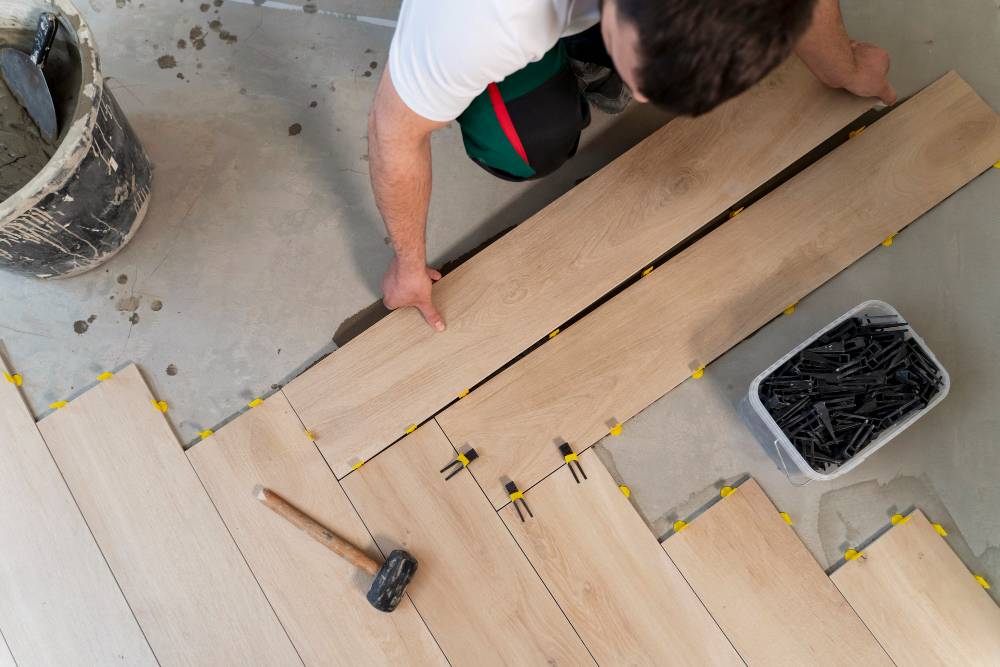
Wood floor resurfacing represents a comprehensive restoration approach that goes beyond surface-level improvements. This intensive process involves removing and replacing damaged boards, grinding down uneven surfaces, and applying fresh finishing coats. When floors have experienced warping, severe scratching, or structural compromise, resurfacing becomes the necessary solution.
This method excels when dealing with deep dents or gouges that penetrate beyond the surface layer. It also addresses boards that have lifted or warped due to moisture exposure or age-related deterioration. For floors suffering from severe water damage or the early stages of rot, resurfacing tackles both structural integrity and cosmetic appearance simultaneously, essentially providing you with a renewed floor surface.
Essential Factors to Consider
Assessing Your Floor Damage
Begin with a thorough inspection of your flooring to determine which restoration method suits your needs:
- Light scratches or color fading typically indicate that refinishing will sufficiently address your needs and restore your floor’s appearance.
- Deep damage or uneven boards signal the need for more comprehensive resurfacing work that addresses structural issues.
- Water damage or warping particularly demands resurfacing to prevent continued deterioration that could spread to adjacent boards.
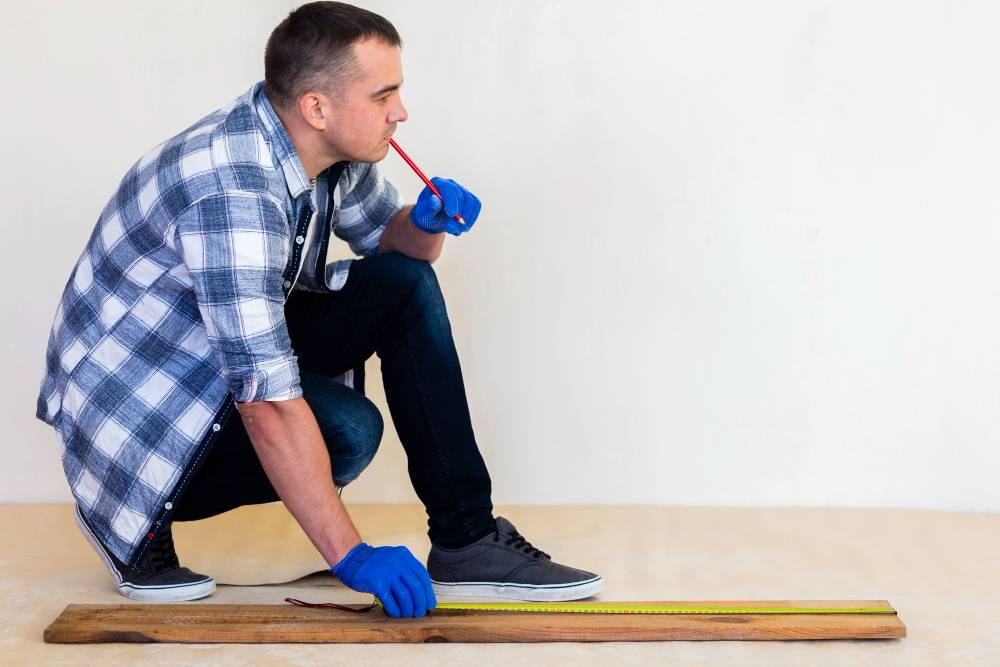
A qualified flooring professional can evaluate whether your planks retain sufficient thickness for sanding or require structural repairs. This professional assessment proves invaluable, as attempting the wrong approach can waste both time and money while potentially causing additional damage.
Comparing Costs and Value
When examining wood floor resurfacing versus refinishing from a financial perspective, refinishing generally offers the more budget-friendly option. Refinishing typically ranges from $2 to $5 per square foot and suits cosmetic restoration needs. Resurfacing, being more labor-intensive and comprehensive, usually costs between $4 and $8 per square foot but addresses structural damage repair.
These price differences reflect the scope of work involved. If your floorboards remain fundamentally sound, refinishing can save hundreds or even thousands of dollars while still delivering results that look virtually new. However, attempting to refinish floors that actually require resurfacing will only postpone inevitable repairs while potentially allowing damage to worsen.
Considering Aesthetic Goals
Your desired final appearance should influence your decision. Refinishing provides excellent flexibility for homeowners wanting to change their floor color through various stains and finishes. You might transition from traditional warm oak tones to contemporary grey washes, or shift from glossy to matte finishes without replacing boards.
Resurfacing delivers a completely even surface that’s perfect for achieving a flawless, brand-new appearance. When your existing floor has accumulated years of minor irregularities that refinishing alone cannot fully address, resurfacing creates a uniform foundation that looks and feels like new installation.
Weighing the Advantages and Limitations
Wood Floor Refinishing: Benefits and Constraints
Refinishing provides an affordable and efficient solution that can transform your floors in typically one to three days. The process offers extensive customization through various stains and finishes, making it excellent for floors experiencing mild to moderate wear. The main limitations involve its inability to repair deep damage or structural issues. Additionally, each floor can only withstand refinishing a limited number of times before the wood becomes too thin, and DIY refinishing attempts often produce uneven or unsatisfactory results without proper equipment and experience.
Refinishing Versus Replacement Considerations
When comparing refinishing to complete hardwood floor replacement, refinishing emerges as the winner in most scenarios. Full replacement typically costs double or triple the refinishing expense while removing perfectly serviceable flooring.
For solid hardwood flooring, refinishing costs $3 to $5 per square foot compared to replacement costs of $8 to $15 per square foot. Solid hardwood’s greatest advantage lies in its ability to be refinished multiple times throughout its lifespan, potentially saving tens of thousands of dollars over several decades.
Softwood flooring like pine presents a different calculation, with refinishing ranging from $2 to $4 per square foot and replacement costing $6 to $10 per square foot. However, softwoods cannot withstand as many sanding cycles as hardwoods, meaning resurfacing or eventual replacement becomes necessary after multiple refinishing treatments.
Protecting Your Investment Long-Term
- Maintaining your floors properly after restoration extends their beauty and longevity significantly. Consider these essential maintenance practices:
- Use pH-neutral hardwood cleaners that protect the finish without dulling the surface. Avoid ammonia-based or oil-based products that can trap grime and gradually degrade protective coatings.
- Watch for musty odors which often indicate moisture problems developing beneath the surface. Addressing moisture issues early prevents warping, cupping, and mold growth.
- Add felt pads and area rugs by placing felt pads under furniture legs and area rugs in high-traffic zones to reduce surface scratching and wear patterns.
- Remove abrasive dirt regularly through sweeping or vacuuming to prevent particles from gradually scratching finishes during daily foot traffic.
- Maintain humidity levels between 35% and 55% to prevent wood expansion and contraction that leads to gaps or warping.
Restoration Options for Different Flooring Types
Hardwood floors accommodate both resurfacing and refinishing beautifully. Choose refinishing when addressing surface wear and select resurfacing for deeper structural issues. The wood’s natural durability and thickness make it ideal for multiple restoration cycles over its lifetime.
Tile floors present different considerations, as they can be resurfaced using specialized coatings that restore shine and color, but cannot be “refinished” in the traditional wood floor sense. Damaged tiles typically require individual replacement rather than whole-floor restoration.
Concrete floors offer surprising versatility through resurfacing techniques involving overlays or polishing treatments. These methods create smooth, modern appearances that serve as attractive alternatives to complete replacement, particularly in contemporary or industrial-style spaces.
Conclusion
When deciding between wood floor resurfacing and refinishing, the condition of your existing floors provides the clearest guidance. Minor scratches or color fading respond beautifully to refinishing, delivering stunning results at reasonable cost. Warping, significant cracking, or uneven boards necessitate resurfacing to ensure long-term durability and prevent ongoing problems.
Both approaches prove more affordable than complete replacement while dramatically enhancing your home’s aesthetic appeal and resale value. By carefully assessing your floor’s current condition, understanding your budget parameters, and considering your long-term plans for the space, you can confidently select the restoration method that best serves your needs and delivers the beautiful results you envision.