Every season brings unique challenges to commercial facilities, from scorching summers to freezing winters and everything in between. Preparing your facility in advance is crucial not only to maintain operations but also to protect infrastructure, equipment, and employee well-being. Seasonal maintenance ensures that your property is resilient, efficient, and capable of handling sudden environmental changes without unexpected disruptions.
Without proper preparation, minor issues like clogged gutters in autumn or inadequate insulation in winter can escalate into major operational challenges. Seasonal readiness is not just about safety—it also has financial implications. Proactive adjustments help cut energy costs, reduce emergency repair expenses, and extend the life of building systems.
This expert checklist provides a structured approach to preparing commercial properties for the changing seasons. By focusing on critical systems and preventative steps, facility managers can ensure a seamless transition throughout the year.
HVAC System Readiness
Your heating, ventilation, and air conditioning (HVAC) system is the backbone of indoor comfort in every commercial facility. During seasonal transitions, HVAC systems are particularly vulnerable to breakdowns, as they are often switched from heating to cooling or vice versa. Preparing your HVAC units ensures uninterrupted comfort for occupants and prevents energy waste.
Routine inspections are essential. Filters should be cleaned or replaced, ductwork checked for leaks, and thermostats recalibrated to handle temperature variations. In winter, it is important to inspect furnaces and boilers for performance efficiency, while in summer, air conditioning systems should be assessed for coolant levels and airflow strength. Skipping these steps often leads to reduced energy efficiency and higher operating costs.
In addition to routine maintenance, facility managers should consider upgrading HVAC systems to modern, energy-efficient models. Smart thermostats and automated climate controls can help facilities adapt to changing temperatures more effectively, reducing both energy costs and the environmental footprint of the building.
Roofing and Gutter Maintenance
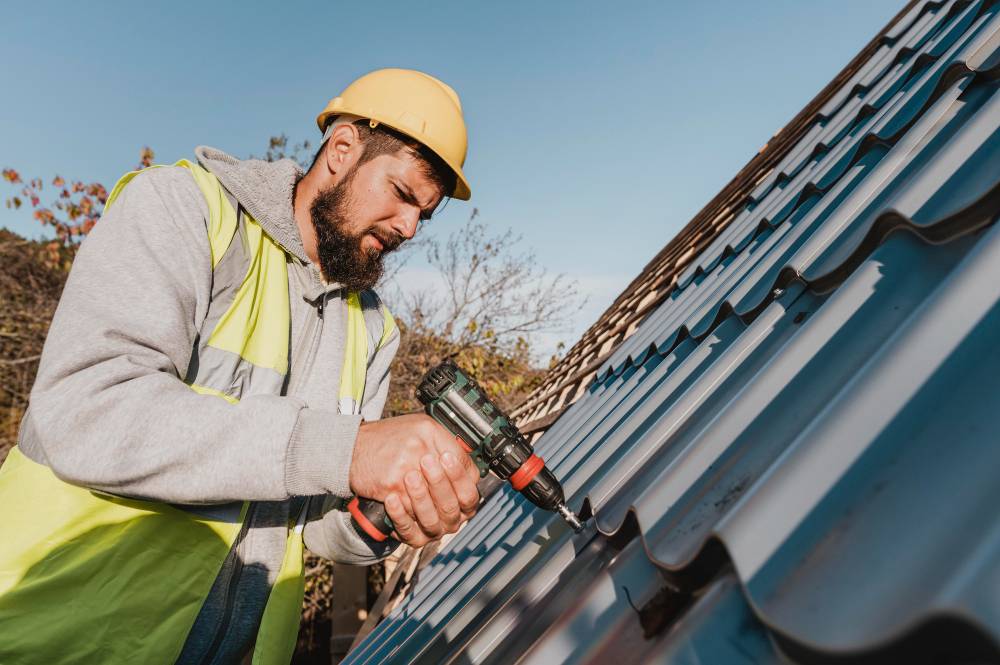
The roof is one of the most critical yet overlooked aspects of seasonal facility care. It serves as the first line of defense against harsh weather conditions, including snow, ice, heavy rain, and high winds. Seasonal preparation starts with a thorough roof inspection to check for damaged shingles, cracks, or areas of pooling water.
Gutters and downspouts should also be cleaned and inspected before the rainy and snowy months. Blockages can lead to water overflow, damaging walls, ceilings, and even the building’s foundation. In autumn, falling leaves and debris can quickly clog drainage systems, while in winter, ice dams can form and lead to roof leaks if gutters are not properly maintained.
Preventive roof and gutter maintenance not only protects against costly repairs but also enhances the longevity of the building structure. Investing in professional roof inspections twice a year, typically in spring and autumn, ensures that the facility remains prepared for seasonal shifts.
Electrical and Lighting Inspections
Changing seasons often bring fluctuations in lighting needs and energy demand. During winter, longer nights require increased indoor and outdoor lighting, while summer often pushes electrical systems to their limits due to heavy use of cooling equipment. Conducting seasonal electrical inspections ensures reliability and reduces the risk of outages.
Electrical systems should be checked for overloaded circuits, faulty wiring, and outdated panels. Facilities with high energy demands should consider upgrading to energy-efficient lighting systems, such as LEDs, which reduce costs and minimize the strain on electrical infrastructure. Additionally, installing motion sensors and timers can optimize lighting use in less frequently occupied areas.
Emergency lighting and backup generators should also be tested during seasonal transitions. Power outages are more common during storms, high winds, or heatwaves, making it essential for commercial facilities to ensure backup systems are fully functional. A proactive approach to electrical and lighting maintenance guarantees operational safety and uninterrupted productivity.
Plumbing and Water Systems
Plumbing systems face distinct challenges across different seasons, particularly during freezing winters. Frozen pipes can burst, leading to costly water damage and operational downtime. Preparing plumbing systems for cold weather is, therefore, a critical part of seasonal facility care.
Preventive steps include insulating exposed pipes, sealing gaps where cold air can enter, and ensuring that water heaters and boilers are operating efficiently. Drainage systems should also be inspected to prevent blockages during the rainy months. In spring and summer, plumbing systems should be checked for leaks, corrosion, and pressure irregularities caused by high water demand.
Regular plumbing inspections not only prevent emergencies but also reduce water wastage, a significant operational cost in large facilities. By taking these measures, facilities can safeguard their infrastructure while ensuring employees and tenants have reliable access to water year-round.
Exterior Grounds and Landscaping
The exterior of a commercial facility creates the first impression for visitors and employees alike, but it also plays a role in structural safety. Seasonal landscaping and grounds maintenance protect both the appearance and functionality of the property.
In spring and summer, grounds crews should focus on trimming trees, maintaining lawns, and checking irrigation systems for leaks or inefficiencies. Overgrown trees can pose hazards during storms by damaging roofs, windows, or vehicles parked nearby. In autumn, leaf removal becomes crucial to prevent clogged drains and slippery walkways.
Winter requires specific preparation, such as stockpiling salt, ensuring snow removal contracts are in place, and confirming walkways are safe and accessible. Proactive exterior maintenance reduces liability risks from slips and falls, preserves the property’s aesthetics, and helps the facility operate smoothly in all seasons.
Safety and Compliance Checks
Seasonal preparation is not just about efficiency; it also ensures compliance with safety regulations. Fire alarms, sprinkler systems, and emergency exits must be tested regularly, especially before winter, when heating equipment use increases fire risks.
During summer, rising temperatures can impact indoor air quality, making it vital to inspect ventilation systems and ensure compliance with workplace safety standards. Additionally, severe weather events in any season can trigger emergencies, making it crucial to verify that emergency response plans and evacuation protocols are up to date.
By scheduling compliance checks before each seasonal transition, facilities minimize risks, protect occupants, and avoid potential penalties from regulatory bodies. This proactive approach underscores the importance of safety in seasonal facility planning.

Energy Efficiency Measures
Energy usage often spikes during extreme seasonal conditions. Heating systems in winter and cooling systems in summer contribute to high utility bills if not managed effectively. Implementing energy efficiency strategies is a smart way to counter these seasonal challenges.
Facilities can reduce energy consumption by improving insulation, installing energy-efficient windows, and sealing air leaks. Seasonal audits of energy use help identify inefficiencies and guide investments in cost-saving upgrades. For example, during summer, facilities can reduce heat gain with reflective roofing materials or window films, while in winter, insulation improvements keep indoor temperatures stable.
Adopting smart building technologies such as automated HVAC controls and energy monitoring systems further enhances seasonal energy efficiency. These systems adapt in real-time to external conditions, reducing waste and ensuring the building runs at peak efficiency year-round.
Conclusion
Preparing a commercial facility for seasonal changes is a proactive investment that safeguards infrastructure, protects employees, and reduces long-term costs. By focusing on HVAC, roofing, plumbing, electrical systems, exterior grounds, and compliance, facility managers create a comprehensive seasonal maintenance plan that enhances resilience and reliability.
Seasonal readiness is not just about preventing disruptions—it also provides an opportunity to improve efficiency and extend the life of critical systems. Facilities that consistently follow seasonal checklists are better positioned to adapt to sudden weather changes while maintaining operational continuity.
Ultimately, the cost of preparation is always lower than the expense of emergency repairs and downtime. With a structured seasonal strategy in place, commercial facilities can thrive year after year, regardless of environmental challenges.