

Maintaining the exterior of a property is just as important as caring for the interior. The outside appearance sets the tone for first impressions, influences resale value, and reflects how well the property has been managed over time.
A well-kept exterior not only appeals to potential buyers but also reduces long-term repair costs by preventing small issues from becoming expensive problems. When exterior maintenance is carried out systematically, it enhances curb appeal, improves structural longevity, and ultimately boosts property value.
In this article, we will explore practical exterior maintenance tips that homeowners and commercial property owners can implement to ensure their investment remains attractive, safe, and profitable. Each aspect of exterior care plays a role in preserving both aesthetics and functionality, making it crucial for property value appreciation.
The Importance of Regular Exterior Inspections
Regular inspections form the foundation of any effective exterior maintenance strategy. By routinely assessing the condition of walls, roofs, windows, and landscaping, property owners can identify potential concerns before they escalate into major repairs. For example, small cracks in the walls may seem minor, but they can eventually lead to water infiltration, mold growth, or structural weakening if ignored. Inspections allow you to address issues promptly, saving both time and money in the long run.
Additionally, inspections are critical during seasonal changes when extreme weather may cause damage. Heavy rain, snow, or intense heat can impact paint, roofing materials, and drainage systems. Property owners who implement a regular inspection schedule not only maintain aesthetics but also extend the life of key structural components. Professional inspectors or facility managers can also identify less visible issues, such as faulty drainage or compromised insulation, which can affect both safety and energy efficiency.
Consistent inspections demonstrate proactive ownership, which is highly attractive to buyers. A property with a well-documented history of routine care signals reliability and reduces the likelihood of hidden problems, further enhancing its market value.
Maintaining Roofing and Gutters for Longevity
The roof is one of the most significant features of any property’s exterior, yet it is often overlooked until problems arise. Regular roof maintenance, including cleaning debris, inspecting shingles, and sealing leaks, ensures the property remains protected from water damage and structural deterioration. A poorly maintained roof can lead to costly interior repairs, such as ceiling stains, mold growth, or insulation damage, which negatively impact both comfort and value.
Gutters and downspouts also play a crucial role in property preservation. When gutters become clogged with leaves or dirt, water can overflow and damage the foundation, siding, or landscaping. Routine gutter cleaning and proper alignment of downspouts help direct water away from the property, minimizing erosion and structural risk. Investing in gutter guards or regular professional maintenance ensures these systems function optimally year-round.
Potential buyers are more likely to value a property with a roof and drainage system in excellent condition, as it assures long-term durability. In contrast, neglected roofs or overflowing gutters immediately raise red flags and reduce buyer confidence, often leading to price reductions during negotiations.
Exterior Painting and Siding Care
A fresh coat of paint or well-maintained siding not only enhances curb appeal but also protects the property from weather damage. Exterior surfaces are constantly exposed to harsh elements such as sunlight, rain, wind, and pollutants, all of which can cause paint to fade or siding to deteriorate. Regular painting or siding treatments create a protective barrier, preventing moisture infiltration and structural damage.
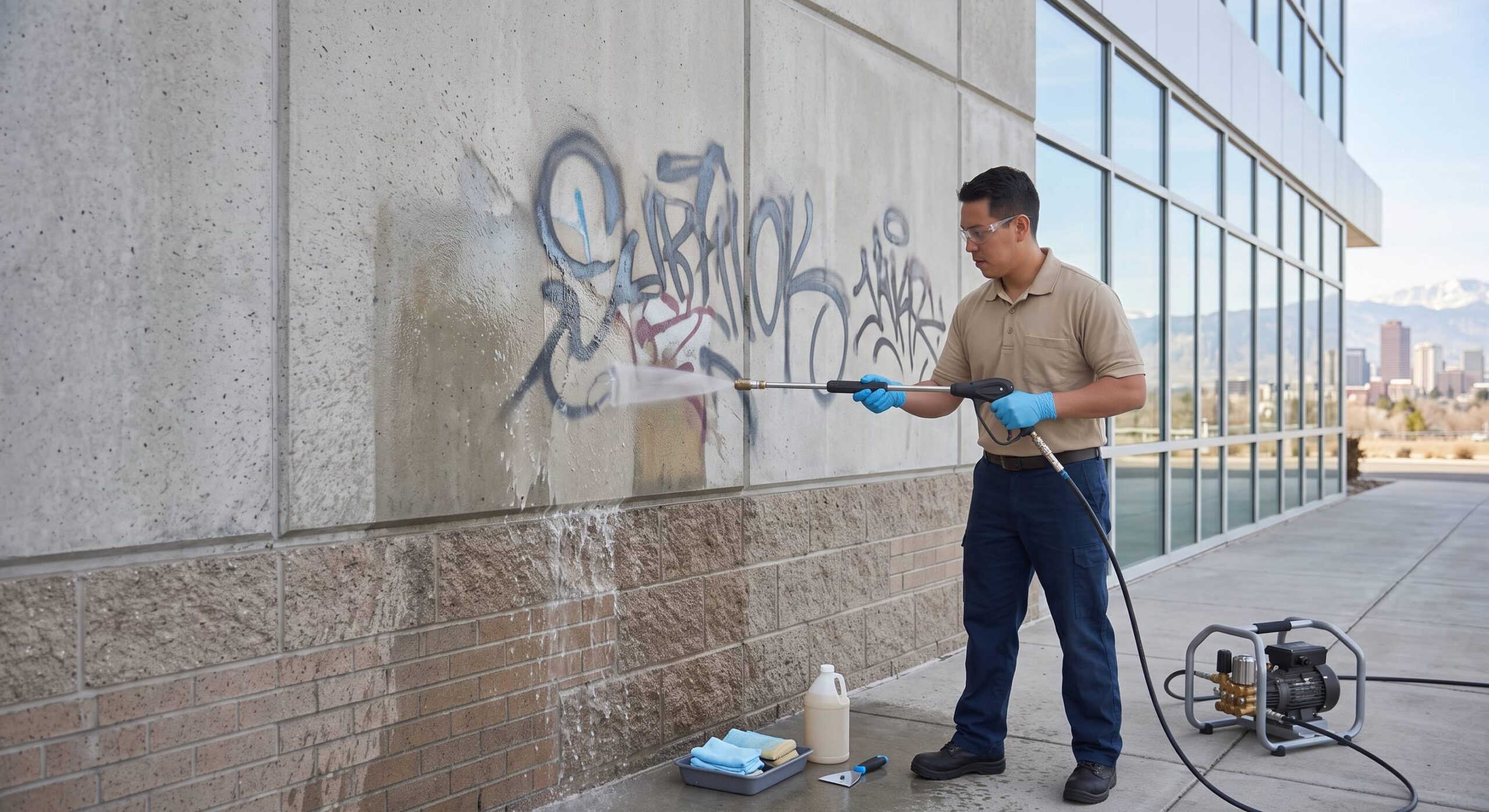
Painting also provides an opportunity to refresh the overall look of the property. Choosing timeless, neutral colors often appeals to a broader market and increases resale potential. In addition, well-maintained siding, whether vinyl, wood, or brick, demonstrates care and pride in ownership, which directly influences property value. Regular cleaning of siding using safe pressure washing techniques can also remove dirt, mildew, and stains, instantly improving appearance.
Properties with peeling paint, stained siding, or cracked surfaces appear neglected, which can significantly lower perceived value. On the other hand, clean and vibrant exterior finishes send the message that the property is well cared for and structurally sound, making it far more appealing in the competitive real estate market.
Landscaping and Outdoor Spaces
Landscaping is often the first detail visitors notice, making it a powerful factor in property value. A well-kept lawn, trimmed hedges, colorful flowers, and healthy trees create a welcoming and aesthetically pleasing environment. Landscaping improvements, such as adding walkways, lighting, or decorative features, can transform outdoor areas into functional and attractive spaces.
Investing in regular lawn care, seasonal plantings, and tree trimming not only beautifies the property but also prevents issues such as root damage to foundations or overgrown branches threatening the roof. Outdoor living spaces, including patios, decks, or seating areas, add further value by expanding usable square footage and enhancing lifestyle appeal.
In the eyes of potential buyers, landscaping is more than just decoration; it signals attention to detail and a commitment to property upkeep. Poorly maintained lawns or overgrown yards, on the other hand, may discourage buyers before they even step inside, undermining the value of all other improvements.
Driveway, Walkway, and Fence Maintenance
Driveways, walkways, and fences are practical and aesthetic features that significantly impact curb appeal. Cracked driveways or uneven walkways not only detract from appearance but also present safety hazards. Routine maintenance, such as sealing asphalt or repairing concrete, keeps these features in good condition and extends their life.
Fences serve both functional and decorative purposes by providing security, privacy, and character to the property. Regular painting, staining, or repairs prevent wood fences from rotting and metal fences from rusting. Maintaining these boundaries enhances the sense of order and safety, which is appealing to buyers and visitors alike.
These features are often considered secondary during maintenance, yet they play a crucial role in creating a polished, well-kept appearance. Properties with sturdy fences and well-maintained walkways signal strong upkeep, while cracked or damaged surfaces create an impression of neglect that can negatively impact property value.
Lighting and Safety Enhancements
Exterior lighting improves both safety and visual appeal. Well-lit pathways, entryways, and landscaping not only create a welcoming atmosphere but also reduce the risk of accidents. Lighting is also an essential security measure, deterring intruders and adding a sense of safety that buyers highly value.
Energy-efficient lighting options, such as LED fixtures or solar-powered lamps, provide long-lasting illumination while reducing utility costs. Installing motion-sensor lights and smart lighting systems further enhances security and convenience, demonstrating modern upgrades that can increase property appeal.
A property with proper exterior lighting feels safer and more functional, making it more attractive to prospective buyers. Poorly lit exteriors, on the other hand, not only pose risks but also reduce nighttime curb appeal, ultimately affecting resale value.
Seasonal Care and Preventive Maintenance
Seasonal maintenance ensures that exterior features remain in optimal condition throughout the year. In colder months, this may involve insulating pipes, clearing snow from walkways, and ensuring gutters remain unclogged to prevent ice dams. During warmer months, preventive steps like sealing driveways, painting exteriors, or servicing HVAC systems ensure the property is ready to withstand heat and storms.
Preventive maintenance reduces the likelihood of costly emergency repairs and extends the lifespan of exterior features. Buyers appreciate properties with a clear history of seasonal care, as it signals long-term durability and less financial risk in future ownership.
By creating a seasonal checklist and following through consistently, property owners can protect their investment while maintaining strong curb appeal year-round. This proactive approach ensures that no detail is overlooked, and the property continues to increase in value over time.

Conclusion
Exterior maintenance is more than just keeping a property looking attractive; it is a strategic investment that protects structural integrity, enhances curb appeal, and increases property value. From roofing and siding care to landscaping and seasonal maintenance, every detail contributes to how buyers perceive the property’s worth. A well-maintained exterior sends the message that the property has been cared for diligently, which can lead to higher resale offers and faster sales.
For property owners and managers, implementing a comprehensive maintenance strategy ensures long-term benefits, reduced repair costs, and a stronger market position. Simply put, exterior maintenance is one of the most effective ways to protect and grow the value of any property.