The commercial maintenance industry is experiencing unprecedented transformation as we move into 2025. Property owners, facility managers, and commercial maintenance contractors are adapting to new technologies, sustainability requirements, and evolving tenant expectations. Understanding these emerging trends is crucial for businesses looking to optimize their commercial building maintenance strategies and stay competitive in an increasingly sophisticated marketplace.
Introduction to Commercial Maintenance Trends
Commercial maintenance has evolved far beyond basic repairs and routine upkeep. Today’s commercial property maintenance encompasses a comprehensive approach that integrates smart technology, predictive analytics, and sustainable practices. The industry is shifting from traditional reactive maintenance models to proactive, data-driven strategies that maximize efficiency while minimizing operational costs.
Modern commercial maintenance services now encompass everything from advanced HVAC systems management to sophisticated commercial roof maintenance programs. This evolution reflects the growing complexity of commercial buildings and the increasing demands for operational efficiency, environmental responsibility, and occupant satisfaction.
Evolving Needs in Commercial Building Maintenance
The Impact of Technology
Technology integration has become the cornerstone of modern commercial building maintenance services. Internet of Things (IoT) sensors, artificial intelligence, and machine learning algorithms are revolutionizing how commercial maintenance contractors approach their work. Key technological advances include:
- Real-time monitoring systems that track building performance 24/7
- Predictive maintenance scheduling that prevents costly equipment failures
- Automated reporting tools that enhance decision-making processes
- Mobile applications that streamline communication between teams
- Cloud-based platforms that centralize maintenance data and workflows
Building Management Systems (BMS) now incorporate advanced analytics that can predict equipment failures before they occur. This shift toward predictive maintenance helps commercial property maintenance companies reduce downtime, extend equipment life, and optimize maintenance schedules.
Sustainability and Eco-Friendliness
Environmental consciousness is driving significant changes in commercial maintenance practices. Commercial building maintenance companies are increasingly adopting green cleaning products, energy-efficient equipment, and sustainable maintenance procedures. This trend reflects both regulatory requirements and growing tenant demand for environmentally responsible building operations.
Energy efficiency has become a primary focus area, with commercial maintenance services incorporating LED lighting upgrades, smart thermostat installations, and energy management systems. These sustainable practices not only reduce environmental impact but also deliver substantial cost savings over time, making them attractive to property owners and investors.
The Future of Commercial Building Repair Services
Proactive vs. Reactive Maintenance
The commercial maintenance industry is experiencing a fundamental shift from reactive to proactive maintenance strategies. Rather than waiting for equipment failures, commercial building maintenance services are implementing comprehensive preventive maintenance programs that address potential issues before they become costly problems.
This proactive approach requires sophisticated planning, regular inspections, and detailed maintenance scheduling. Commercial repair and maintenance work is increasingly based on manufacturer recommendations, historical performance data, and predictive analytics rather than emergency response protocols.
The Role of Commercial Maintenance Contractors
Commercial maintenance contractors are evolving into strategic partners rather than simple service providers. Modern contractors offer comprehensive maintenance programs that include regular inspections, preventive maintenance, emergency repair services, and performance reporting. This holistic approach helps property owners optimize maintenance budgets while ensuring reliable building performance.
The best commercial building maintenance companies now provide detailed maintenance documentation, performance metrics, and recommendations for building improvements. This data-driven approach enables property owners to make informed decisions about capital improvements and long-term maintenance strategies.
Emerging Trends in Commercial Landscaping Maintenance
Incorporating Green Spaces
Commercial landscaping maintenance is experiencing renewed focus as property owners recognize the value of attractive outdoor spaces. Modern commercial landscaping maintenance programs incorporate native plants, drought-resistant landscaping, and sustainable irrigation systems. These approaches reduce water consumption while creating appealing environments that enhance property values.
Indoor landscaping and living walls are becoming popular features in commercial buildings. These green spaces improve air quality, enhance occupant well-being, and contribute to sustainable building certifications. Commercial property maintenance services are expanding to include specialized plant care and maintenance programs.
Automated Landscaping Solutions
Automation is transforming commercial landscaping maintenance through smart irrigation systems, robotic mowers, and sensor-based monitoring. These technologies reduce labor costs while ensuring consistent landscape maintenance quality. Automated systems can adjust watering schedules based on weather conditions and soil moisture levels, optimizing water usage and plant health.
Key Trends Shaping Commercial Building Maintenance
Energy Efficiency and Sustainability
Energy efficiency continues to drive innovation in commercial building maintenance. Modern commercial maintenance services are implementing comprehensive energy-saving strategies that include:
- LED lighting retrofits that reduce energy consumption by up to 75%
- High-efficiency HVAC systems with smart controls and variable speed drives
- Smart building automation that optimizes energy usage based on occupancy
- Building envelope improvements including upgraded windows and insulation
- Energy monitoring systems that track consumption and identify inefficiencies
- Green building certifications such as LEED and ENERGY STAR compliance
These improvements reduce operational costs while supporting sustainability goals and regulatory compliance. Building envelope improvements, including window upgrades and insulation enhancements, are increasingly integrated into comprehensive commercial building maintenance programs.
The Shift to Remote Monitoring Systems
Remote monitoring capabilities are revolutionizing how commercial building maintenance companies deliver services. IoT sensors and connected devices provide real-time data about building systems performance, enabling proactive maintenance and rapid response to issues.
Cloud-based maintenance management systems allow commercial maintenance contractors to monitor multiple properties from centralized locations. This capability improves response times, reduces travel costs, and enables more efficient resource allocation across maintenance teams.
Innovations in Commercial Maintenance Services
Smart Building Solutions
The rise of smart buildings is transforming commercial building repair and maintenance approaches. Automated systems can now monitor air quality, lighting levels, temperature, and security systems in real-time. These smart building solutions enable commercial maintenance contractors to respond quickly to issues and maintain optimal building performance.
Predictive analytics platforms analyze historical maintenance data to identify patterns and anticipate future maintenance needs. This capability allows commercial property maintenance teams to schedule maintenance activities during off-peak hours, minimizing disruption to building occupants while maximizing operational efficiency.
Advanced HVAC and Roof Maintenance Techniques
Commercial HVAC maintenance has embraced cutting-edge technologies including variable refrigerant flow systems, smart controls, and air quality monitoring devices. These innovations enable more precise climate control while reducing energy consumption and maintenance costs. Advanced diagnostic tools can identify HVAC inefficiencies and potential failures before they impact building comfort or operations.
Commercial roof maintenance has similarly evolved with the integration of drone inspections, thermal imaging, and moisture detection systems. Commercial roofing maintenance programs now utilize predictive modeling to assess roof condition and plan maintenance activities. These advanced techniques help extend roof life, prevent costly water damage, and improve overall building envelope performance.
The Importance of Commercial Property Maintenance
Minimizing Expenses
Effective commercial property maintenance programs significantly reduce long-term operational costs. Preventive maintenance extends equipment life, reduces energy consumption, and prevents costly emergency repairs. Well-maintained commercial buildings also command higher rental rates and property values, providing strong returns on maintenance investments.
Commercial building maintenance services that focus on energy efficiency, equipment optimization, and preventive care deliver measurable cost savings. These programs help property owners avoid unexpected expenses while maintaining competitive operating costs.
Keeping Things Safe
Safety remains a paramount concern in commercial building maintenance. Regular inspections, code compliance, and safety system maintenance protect building occupants and reduce liability risks. Commercial maintenance contractors must stay current with evolving safety regulations and implement comprehensive safety protocols.
Modern commercial building repair services incorporate safety management systems that document maintenance activities, track compliance requirements, and ensure proper safety procedures. This systematic approach protects both maintenance workers and building occupants while maintaining insurance compliance.
Focus on High-Traffic Areas
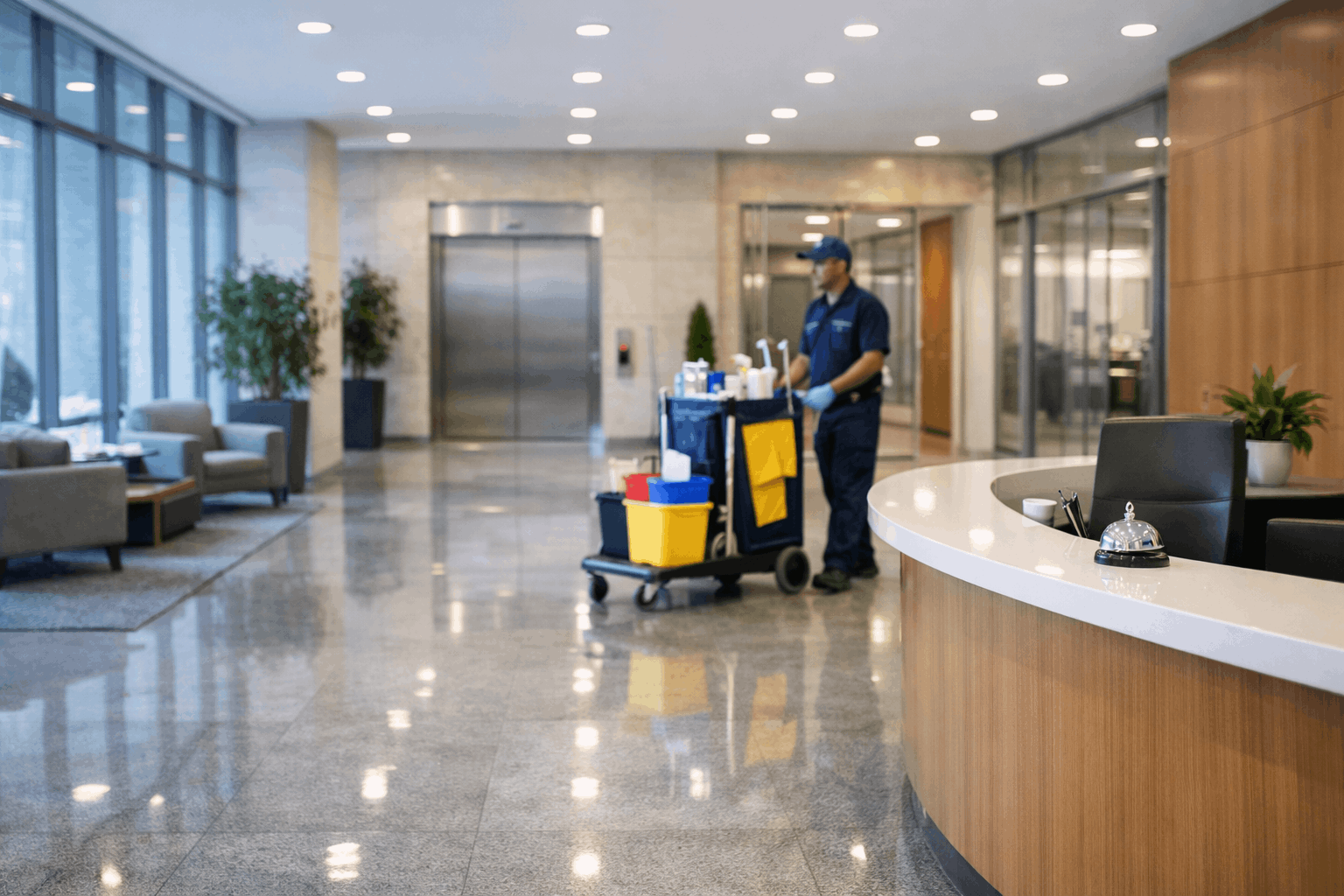
High-traffic areas require specialized attention in commercial maintenance programs. Lobbies, elevators, restrooms, and common areas experience heavy use and require frequent cleaning, maintenance, and updates. Commercial maintenance services are developing specialized protocols for these critical areas to ensure they remain attractive and functional.
Advanced cleaning technologies, durable materials, and frequent maintenance schedules help maintain high-traffic areas in optimal condition. These focused maintenance efforts directly impact tenant satisfaction and building reputation.
Conclusion: Preparing for the Future of Commercial Maintenance
The commercial maintenance landscape will continue evolving rapidly as technology advances and sustainability requirements increase. Property owners and commercial maintenance contractors who embrace these trends will gain competitive advantages through improved efficiency, reduced costs, and enhanced building performance.
Success in the evolving commercial maintenance industry requires investment in technology, training, and sustainable practices. Commercial property maintenance companies that adapt to these trends while maintaining service quality will thrive in the competitive marketplace.
As we look toward the future, the integration of artificial intelligence, advanced analytics, and sustainable practices will continue reshaping commercial maintenance services. Property owners who partner with forward-thinking commercial building maintenance companies will be best positioned to maximize their investments while providing superior environments for their tenants.
The commercial maintenance industry’s future is bright, with opportunities for innovation, efficiency improvements, and enhanced service delivery. By staying informed about these trends and working with qualified commercial maintenance contractors, property owners can ensure their buildings remain competitive, efficient, and valuable for years to come.