

Whether you’re expanding your office space or giving your storefront a modern facelift, commercial construction and renovation are big deals. It’s more than just bricks and mortar. It’s about breathing new life into your business space. A well-executed renovation can significantly enhance your brand’s image, boost employee morale, and improve customer experience.
Commercial projects differ from residential ones due to their scale, design requirements, and compliance regulations. These projects need careful planning and expert coordination. It’s not just about making a space look good. It’s about making it work efficiently and safely for everyone who uses it.
From small office improvements to full-scale commercial builds, this guide walks you through every step to make construction and renovation as easy and stress-free as possible.
Why Commercial Renovation Matters
Commercial spaces represent your brand, values, and professionalism. If your building looks outdated, poorly maintained, or disorganized, it can send the wrong message to clients and potential partners. Renovating your space gives you the chance to align your physical environment with your business goals.
Renovations can also increase your property’s value and save you money in the long run. Upgrading insulation, lighting, and HVAC systems improves energy efficiency and reduces monthly bills. Small updates, like replacing worn flooring or updating signage, can make a big impact with a relatively low investment.
Moreover, a functional and fresh space has a positive effect on your team. Employees are more likely to feel motivated and focused in a well-designed, comfortable setting. So, whether you’re looking to attract top talent or impress clients, a smart renovation can do wonders.
Understanding the Scope of Commercial Projects
Before you start tearing down walls or ordering paint samples, it’s essential to understand the full scope of your project. Are you doing a basic refresh or a complete structural overhaul? Will the space be used during construction, or will it need to be closed?
The scope defines your timeline, budget, and resource needs. It determines how many contractors you need, what permits must be pulled, and what inspections are required. Without a clear scope, it’s easy for a project to go off track.
Start by evaluating your current space and listing all the issues you want to fix. Then, think about the goals for the renovation. Are you looking to maximize square footage, improve traffic flow, or modernize the look? Once you know what you need, you can begin working with professionals to turn your vision into a detailed plan.
Planning for Success
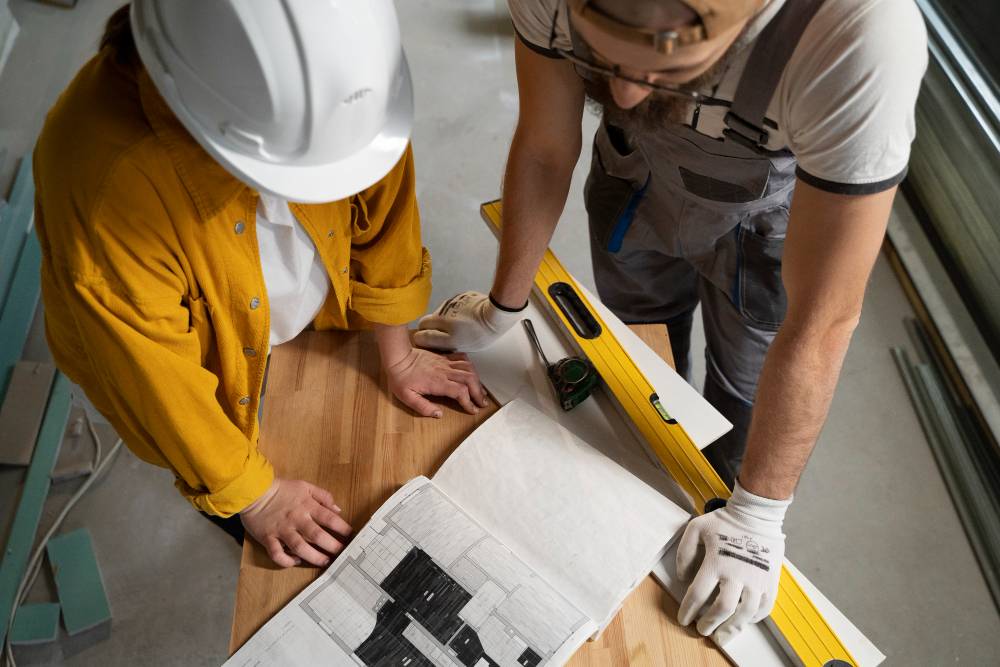
A successful renovation begins with a solid plan. This means working out every detail before any construction begins. A detailed plan helps avoid delays, keeps costs under control, and ensures everyone involved is on the same page.
Start by consulting with architects and designers. Their insights will help translate your needs into practical layouts. After the initial drawings, you’ll want to consult engineers, especially if you’re moving walls, plumbing, or electrical components.
Having a plan in place also makes it easier to schedule trades, order materials, and stay compliant with regulations. A good plan is like a roadmap that guides your project from start to finish with fewer surprises along the way.
Creating a Realistic Budget
Budgeting is one of the most important and often overlooked parts of commercial renovation. It’s not just about how much money you have. It’s about how wisely you spend it. A realistic budget includes everything from permits to paint, plus a contingency for unexpected costs.
Get multiple quotes from contractors and suppliers to compare prices. Be wary of estimates that seem too low. They often leave out important elements that could come back to bite you later.
Include a buffer of at least 10 to 20 percent for unforeseen issues. Maybe there’s water damage behind a wall or outdated wiring that needs upgrading. These things happen, and being financially prepared keeps your project moving forward.
Selecting the Right Construction Partner
Choosing the right contractor or construction firm can make or break your renovation. Look for companies with commercial experience, solid references, and proper licensing. The right partner will listen to your needs, suggest smart improvements, and stick to your timeline.
Interview multiple contractors and ask about their past projects. Were they delivered on time and on budget? Can they handle all aspects of your project, including permits, inspections, and coordination with other vendors?
Communication is key. A good construction partner keeps you informed every step of the way. You want someone who is transparent, responsive, and committed to quality.
Key Elements of a Renovation Project
Most commercial renovations have common elements. These include structural updates, electrical work, plumbing, interior finishes, and safety features. Understanding each component helps you make informed decisions and avoid scope creep.
Start with the structural work. This could mean removing walls, reinforcing ceilings, or upgrading foundations. Once the space is structurally sound, the mechanical work begins, including HVAC systems and wiring.
Next come the finishes. This includes flooring, ceilings, paint, and fixtures. These are the details people see and remember, so don’t rush this part. Make sure they align with your brand and provide comfort and functionality.
Designing for Functionality and Aesthetics
A well-designed commercial space balances visual appeal with practical function. It should be beautiful enough to impress clients but also optimized to support daily operations. Think about how employees, customers, and guests will interact with the space.
Start with layout planning. Make sure there is a logical flow between areas such as entrances, workstations, meeting rooms, and restrooms. Consider noise control and lighting placement to enhance productivity. Open floor plans are popular, but they need sound-dampening solutions to maintain focus.
Aesthetically, your space should reflect your brand. Choose color schemes, materials, and design elements that match your company’s identity. For example, a tech company might opt for sleek, minimalist design with glass partitions and LED lighting, while a law firm might prefer rich wood tones and traditional furnishings.
Staying Compliant with Building Codes
Regulatory compliance is one of the most critical aspects of any commercial renovation. Your project must adhere to local building codes, fire safety laws, zoning rules, and accessibility standards. Failing to comply can lead to delays, fines, or even forced demolition of completed work.
Consult with a qualified architect or building inspector before beginning. They can help identify all the codes that apply to your project. Common areas of concern include exit routes, fire suppression systems, HVAC standards, and electrical safety.
Also, be mindful of ADA requirements. Your facility must be accessible to individuals with disabilities. This includes installing ramps, ensuring doorways are wide enough, and equipping restrooms with proper fixtures. Staying compliant not only avoids legal trouble but also ensures your space is inclusive and welcoming.
Scheduling for Minimal Business Disruption
Renovating a commercial space can be disruptive, but proper scheduling can help minimize its impact on your business. Plan renovations during off-hours, weekends, or slow seasons when customer traffic and employee activity are at their lowest.
Stagger the work into phases so that parts of your office remain operational while others are under construction. For example, start with the break room and storage areas before moving on to main workspaces or customer-facing zones.
Effective communication with your staff is also essential. Let them know what to expect and when. Post schedules, create temporary signage, and reroute traffic flow if necessary. The smoother you make the process for your team, the less your productivity will suffer.
Sustainable Construction Practices
Incorporating sustainability into your renovation benefits both the environment and your bottom line. Energy-efficient systems, recycled materials, and smart design can reduce your utility costs and enhance your company’s eco-friendly image.
Start by upgrading to LED lighting and energy-efficient HVAC systems. Use low-VOC paints, recycled flooring materials, and water-saving fixtures. Many of these options are competitively priced and offer long-term savings through reduced operating costs.
Green building certifications like LEED can further validate your commitment to sustainability. They also serve as a powerful marketing tool, showing clients and customers that you value responsible business practices.
Quality Control and Inspections
Quality control is not just a final step but an ongoing process throughout your renovation. Regular site inspections, detailed checklists, and professional oversight ensure that the work meets your standards and adheres to the original plan.
Schedule walkthroughs with your contractor at key stages of the build. These checkpoints allow you to catch errors early before they become costly problems. For example, you can verify that electrical outlets are properly placed or that drywall is smooth and ready for painting.
Once construction wraps up, conduct a final inspection. This should include functional tests of HVAC, plumbing, and electrical systems and cosmetic checks on paint, flooring, and fixtures. A punch list of any outstanding items can help wrap up the project cleanly.
Project Management Tips
Managing a commercial renovation project requires coordination, decision-making, and constant oversight. If you don’t have an internal project manager, consider hiring one with construction experience. They will act as your point of contact, coordinate all vendors, and keep the project on schedule.
Create a centralized timeline and checklist to track progress. Use project management software to document updates, share files, and keep communication flowing between stakeholders. Set regular meetings to review progress and resolve issues quickly.
Clear documentation is essential. Keep records of contracts, change orders, and invoices. These not only help during the project but also serve as references for future renovations or expansions.
Final Touches That Make a Difference
Once the construction is complete, the final details bring everything together. These finishing touches, though small, leave a lasting impression on employees and clients. Think about lighting, furniture arrangement, wall art, and indoor plants.
Consider ergonomics when placing desks and equipment. Add branded elements like signage, color accents, or company logos to reinforce identity. Breakout areas with comfortable seating or refreshments can also enhance employee morale and client hospitality.
Before reopening your space, conduct a soft launch or walk-through with your team. This gives you a chance to spot any overlooked details and get feedback before resuming full operations.
Conclusion
Commercial construction and renovation projects can feel overwhelming at first, but with the right planning, team, and strategy, they can dramatically transform your space and support your business growth. From defining goals and budgeting to selecting contractors and managing the schedule, every step plays a vital role in the success of the project.
Investing in quality design, sustainability, and compliance not only improves aesthetics but also delivers long-term value. With a well-renovated space, your business can create a stronger brand presence, improve employee productivity, and offer an outstanding experience to clients and visitors.
Whether you are renovating a small office or launching a full-scale commercial build, following a thoughtful and structured approach will help you complete your project on time, on budget, and with lasting results.